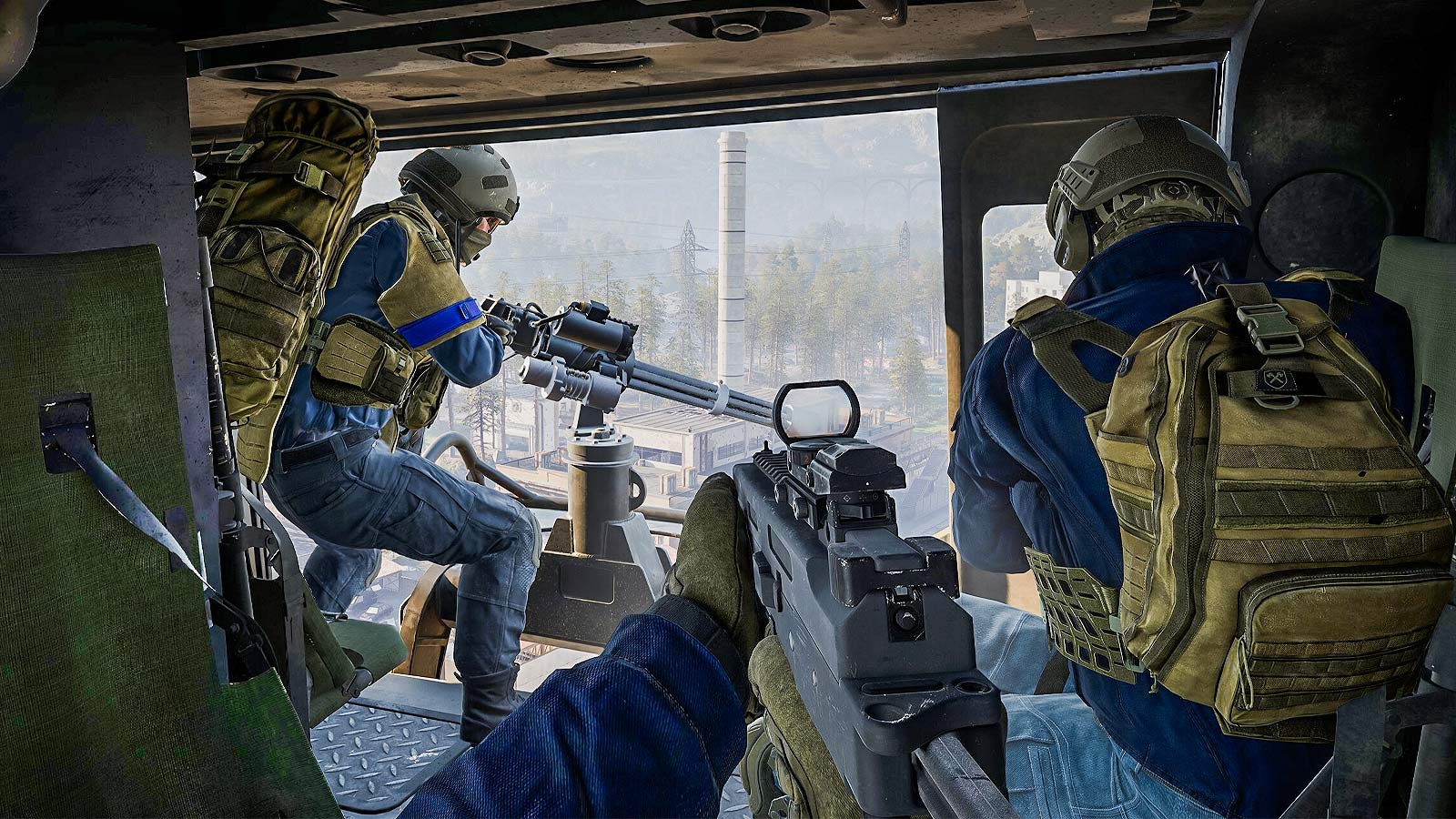
Toxic Commando, the latest horde shooter to hit the market, presents a structured progression system through its difficulty tiers, each offering distinct challenges and escalating rewards. Unlike games where difficulty merely tweaks enemy health, Toxic Commando’s system fundamentally alters mission dynamics, enemy composition, and the risk-reward calculus for players. Understanding these tiers is essential for optimizing your gameplay experience, whether you’re a solo operator or part of a coordinated squad.
The Four Core Difficulty Tiers
The game’s difficulty is segmented into four clear tiers: Story, Normal, Hard, and Very Hard. This structure allows players to calibrate their experience from a narrative-focused introduction to a brutal, survival-focused endurance test. Each tier modifies core gameplay elements, including enemy aggression, the frequency of special monster spawns, horde density, and the rewards earned upon mission completion.
Story Mode: The Narrative Gateway
Designed explicitly as an entry point, Story mode serves players new to the horde shooter genre or those prioritizing the game’s narrative over intense combat. Enemy encounters are manageable, special monsters are less frequent, and the overall pace is forgiving. This mode allows players to familiarize themselves with the game’s mechanics, map layouts, and class abilities without the pressure of overwhelming opposition.
The rewards in Story mode are foundational. Players earn a 1.25x multiplier on Class XP, 1,000 Sludgite currency, and 1,000 Profile XP. This tier is ideal for learning the core loop and building initial character strength before tackling more demanding content.
Normal Mode: The Balanced Standard
Normal difficulty represents the intended baseline experience for Toxic Commando. It is the recommended starting point for confident players seeking the game’s core challenge as designed. Enemy behavior is more aggressive, hordes appear with greater regularity, and special monsters become a consistent part of the combat ecology.
The reward structure here reflects the increased engagement. Players receive a 1.5x Class XP multiplier, 3,000 Sludgite, 100 Residium, and 1,500 Profile XP. This tier offers a significant step up in both challenge and payout, establishing the game’s fundamental risk-reward balance.
Hard Mode: The Tactical Challenge
Hard difficulty introduces a pronounced shift. Monsters not only possess increased health and damage output but the mission parameters themselves change. Players encounter additional hordes and a higher density of special monsters. The developer recommends attempting this tier only after reaching character level 15 and equipping weapons of Rare or Epic quality, underscoring its gear-check nature.
The rewards escalate accordingly. A 2x Class XP multiplier, 8,000 Sludgite, 400 Residium, and 30 Mortite currency are awarded alongside 2,000 Profile XP. This tier is where coordinated team play and optimized builds become crucial, as the margin for error shrinks considerably.
Very Hard Mode: The Ultimate Test
Very Hard represents the pinnacle of Toxic Commando’s challenge. Enemy abundance is maximized, with hordes and special enemies becoming the dominant force on the battlefield. A critical mechanical change is imposed: players can only be downed once per mission. This single-strike rule transforms the gameplay into a tense exercise in precision and survival.
Currently, the full reward structure for Very Hard is listed as “Coming Soon,” but it offers a substantial 3x Class XP multiplier. This suggests the tier is designed for elite players seeking maximum progression speed and the ultimate test of skill, with premium rewards expected upon final implementation.
Strategic Implications of Difficulty Selection
The choice of difficulty in Toxic Commando is not a mere preference slider; it is a strategic decision with concrete consequences for progression, resource acquisition, and gameplay style. The system encourages a natural climb, where success on lower tiers provides the gear and experience necessary to tackle higher ones.
The Lock-In Mechanic and Its Purpose
A key operational rule is that difficulty selection is locked upon mission launch from the hub’s ‘Play’ screen. Players cannot change the difficulty mid-mission. To alter the tier, they must quit the mission and return to the hub. This design prevents players from dynamically lowering difficulty in response to failure, reinforcing the commitment to the chosen challenge level and preserving the integrity of the reward system.
Optimal Difficulty for Solo Players
For players engaging in Toxic Commando alone, the difficulty curve requires careful navigation. Based on gameplay analysis, Story mode can feel overly simplistic, reducing the sense of agency. Hard mode, with its increased enemy density and damage, can become overwhelming for a solo player without team support. The consensus recommendation for solo play is Normal difficulty.
Normal provides a balanced challenge that feels fair for a single player. It maintains pressure without becoming punitive, allowing solo operators to employ tactics, manage resources, and complete missions reliably. This tier offers a rewarding experience that tests skill without relying on the safety net of a team.
Group Play and High-Tier Optimization
For coordinated groups, Hard and Very Hard difficulties become the primary focus. These tiers are engineered for teamwork, where class synergies, combined firepower, and strategic positioning are mandatory. The escalated rewards, particularly the currency and material payouts in Hard mode, accelerate collective progression, enabling faster acquisition of high-tier gear for the entire squad.
The impending reward structure for Very Hard will likely define the endgame economy, making it the target for dedicated groups seeking the most efficient path to maximum power. The 3x Class XP multiplier alone provides a dramatic acceleration in character development.
Reward Analysis and Progression Planning
The granular reward breakdown per tier allows for deliberate progression planning. Players can map their goals—whether targeting specific currencies like Residium for crafting or Mortite for high-end purchases—to the difficulty that most efficiently provides them.
The staggered introduction of currencies across tiers creates a clear resource ladder. Sludgite is available from Story mode onward, Residium enters at Normal, and Mortite is introduced at Hard. This design guides players through a natural economic progression as they climb the difficulty ranks.
Toxic Commando’s difficulty system is a masterclass in structured player progression. It moves beyond a simple challenge toggle to become an integrated part of the game’s economy, narrative pacing, and social play. By offering clear, tiered objectives with corresponding risks and rewards, it provides a roadmap for every type of player—from the story-driven newcomer to the hardened squad seeking the ultimate test. The locked-in commitment to each choice reinforces the weight of these decisions, making every mission launch a calculated step in your journey through the toxic wasteland.