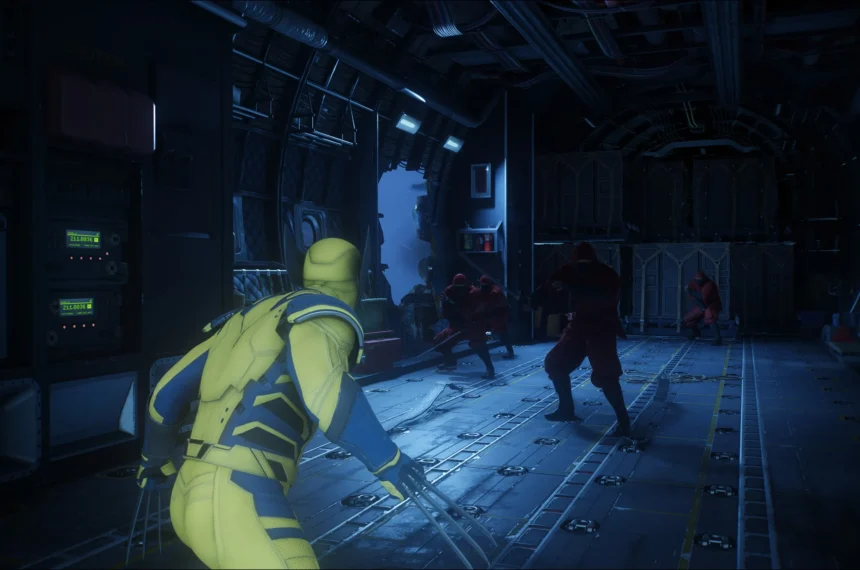
Stop unlocking every technique you can afford. That advice sounds wrong because every guide says the opposite — unlock everything by the end, spend points early on Healing Strike, and make combat easier. But that advice is holding you back. Marvel’s Wolverine combat is deeper when you deliberately leave some techniques locked. Here are three that you should never unlock on your first playthrough, and why.
Why Healing Strike Hurts Your Combat in Marvel’s Wolverine
Healing Strike is the most recommended early technique in every guide. It lets you press triangle on a staggered enemy to regain health. That sounds useful. But it trains you to rely on a crutch instead of learning the game’s core systems.
Most players pick safety. Picking aggression instead — skipping the heal, the panic button, and the collision crutch — reveals a combat system that rewards reading fights, not just surviving them.
You do not need Healing Strike. Wolverine regenerates automatically. The rage meter gives you Last Stand. The game already throws health crates and environmental healing at you. Adding Healing Strike removes the pressure to parry and dodge effectively. You start treating stagger as a heal button, not an opening for damage or rage building. That habit keeps you from unlocking Advanced Parry and Dodge Retaliate later, which are far more valuable.
Worse, Healing Strike wastes a technique point that could go toward Stagger Leap or Knee Breaker. Those two moves stagger enemies faster and let you end fights before you ever need healing. By level 5, with Stagger Leap and Knee Breaker, you control the battlefield. With Healing Strike, you are always one mistake away from needing it — and that mistake never teaches you anything.
If you want the hardest difficulty to feel challenging, skip Healing Strike. Force yourself to parry or die. The combat clicks faster.
Spiral Strike: The Skill That Steals Your Crowd Control
Spiral Strike looks cool. It is a spinning drill attack that breaks out of being surrounded. The upgraded version hits three times. But it is the worst crowd-control technique in the game.
Tornado Spin does the same job better — it kills weaker enemies in one use, builds more rage, and has a wider area. Overwhelm tackles an enemy, knocks everyone else aside, and lets you follow up with a Barrage or Healing Strike (if you ignored my first point). Spiral Strike does neither. It deals mediocre damage, leaves you stationary during the animation, and doesn’t build rage fast enough to justify the slot.
The source material confirms this. In one detailed combat guide, the author says they “tend not to use this one as much after unlocking all six” because Overwhelm and Tornado Spin already handle crowds. They only keep Spiral Strike temporarily.
Spiral Strike costs technique points you could spend on Unblockable Ender or Power Attack Counter. Those upgrades change how you approach every fight. Spiral Strike is a flashy insurance policy you will never need.
Sprint Block: The Crutch That Encourages Bad Positioning
Sprint Block seems safe. While sprinting, it blocks basic ranged fire from the front. The source material calls it “one of the most underrated early pickups.”
It is not underrated. It is a bad habit.
Sprint Block lets you run straight at ranged enemies without consequence. You never learn to use cover, time your dodges, or prioritize snipers. Those skills are essential for nightmare gauntlets and the hardest enemies in the game. When a fight forces you to stop sprinting — and they do, often — you have no muscle memory for dealing with gunfire.
Instead of Sprint Block, invest those points in Power Attack Counter or Advanced Parry later. Both let you punish ranged enemies after a dodge, a skill that transfers to everything. Sprint Block only works when you are moving toward the shooter. Against enemies that flank you or attack from above, it does nothing.
The Better Technique Order for Marvel’s Wolverine
If you skip those three, where do points go? Here is the unlock order that makes combat feel intentionally aggressive, not accidentally easy:
- Level 2: Stagger Leap – instant stagger on most enemies, sets up Barrage or finisher.
- Level 3: Knee Breaker – builds stagger fast, interrupts power attacks.
- Level 4: Dodge Retaliate – punish after a well-timed dodge, teaches you to read attacks.
- Level 5: Unblockable Ender – combo finisher breaks blocks, ends fights sooner.
- Level 7: Advanced Parry – parrying becomes crowd control, not panic block.
- Level 11: Relentless (only if you still need healing, but by now you will not).
This list leaves out Healing Strike, Spiral Strike, and Sprint Block. It forces you to engage with stagger timing, dodge windows, and parry rhythms. Those skills make the game more satisfying on any difficulty.
Common Mistakes to Avoid
- Unlocking every technique because you can. More options do not mean better combat. You have only four special technique slots. Unlocking everything clutters your decision-making and wastes points on moves you will never equip.
- Following default recommendations. Every guide copies Insomniac’s marketing script. They tell you to unlock Healing Strike first because it reduces player frustration. That is good for casual players. But if you want the combat to feel deep and responsive, ignore the easy path.
Closing
The developers designed the technique tree so you cannot max it out until the final levels. That choice is intentional. They force you to pick what matters. Most players pick safety. Picking aggression instead — skipping the heal, the panic button, and the collision crutch — reveals a combat system that rewards reading fights, not just surviving them. On New Game Plus, when the Reckless adaptations triple damage taken, those skipped techniques become the only reason you still have a chance.
- Why should you skip Healing Strike in Marvel's Wolverine?Healing Strike trains you to rely on a crutch instead of learning core combat systems like parrying and dodging. Wolverine regenerates automatically, and the rage meter gives you Last Stand.
- What is wrong with Spiral Strike in Marvel's Wolverine?Spiral Strike deals mediocre damage, leaves you stationary during the animation, and doesn't build rage fast enough. Tornado Spin and Overwhelm handle crowds better.
- Why is Sprint Block a bad skill to unlock?Sprint Block prevents you from learning dodge timing, which is essential for unlocking Advanced Parry and Dodge Retaliate. It also wastes a technique point better spent on mobility or offense.