Insider Tom Henderson has revealed substantial new details about the development of Ubisoft’s upcoming flagship project, Assassin’s Creed Hexe. The information, corroborated by multiple sources familiar with the project, confirms that the title is undergoing a radical transformation of the series’ core mechanics, with a complete reimagining of its combat and movement systems at the forefront.
The Departure from Tradition
Ubisoft previously positioned Assassin’s Creed Hexe as the darkest and most distinctive entry in the franchise’s history, promising a deeply personal and atypical experience. Henderson’s report substantiates this claim, indicating that developers are moving far beyond simple aesthetic or narrative changes. The foundational pillars of gameplay that have defined the series for over a decade are being systematically dismantled and rebuilt.
The project, led by Ubisoft Montreal with creative direction from Clint Hocking, is described as a deliberate and calculated departure from the open-world action-RPG template established by Origins, Odyssey, and Valhalla. While those games expanded the scope and scale of the franchise, Hexe is reportedly focusing on intensity, intimacy, and a renewed sense of vulnerability.
Combat Reimagined: Acrobatics Over Brute Force
According to Henderson’s sources, the most significant shift comes in the form of a completely overhauled combat system. Gone are the days of chaining together light and heavy attacks against waves of enemies. In Hexe, combat will be centered on “complex acrobatics” and environmental mastery.
A System Built on Momentum and Precision
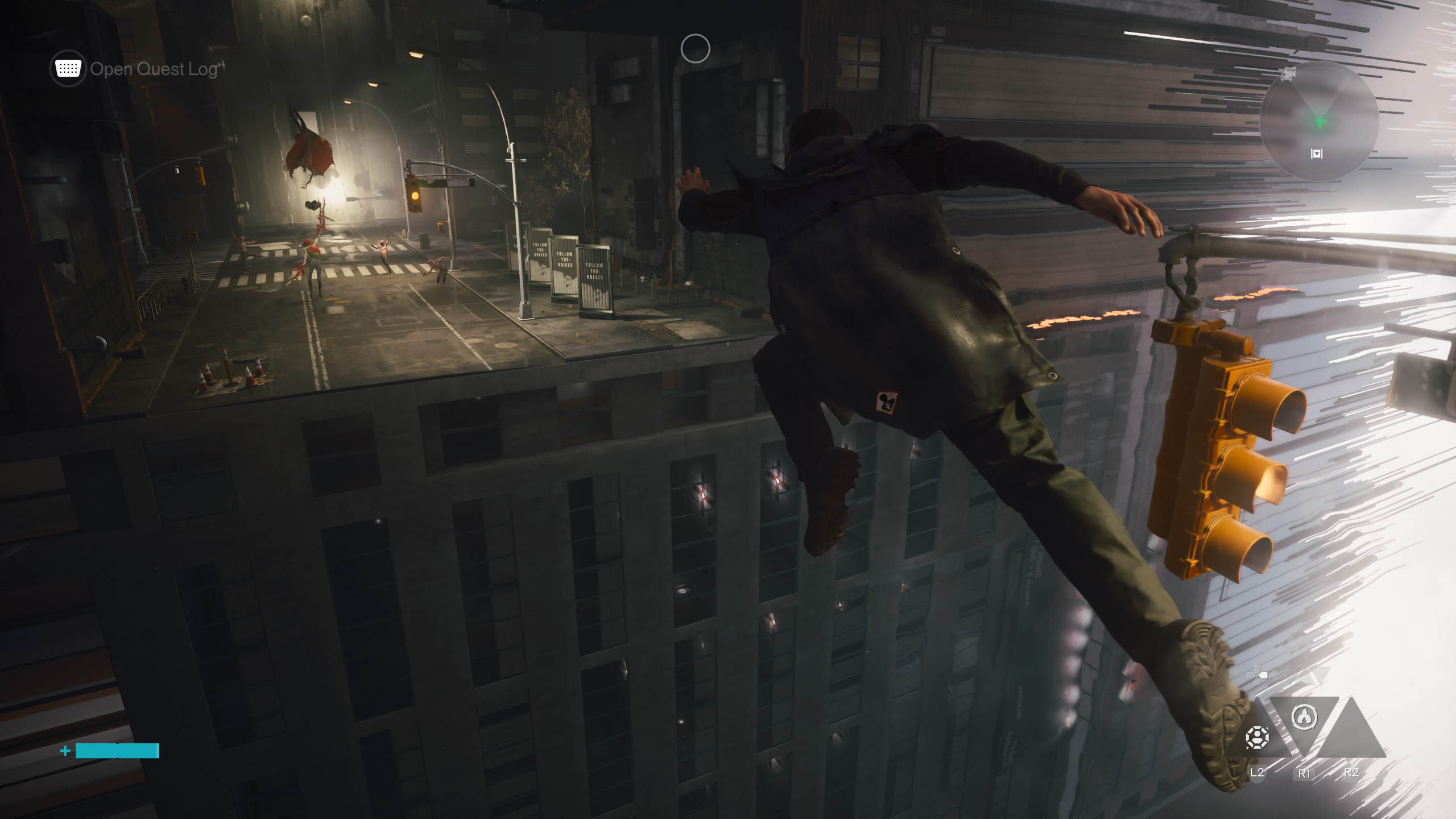
The new system is said to prioritize fluidity, momentum, and precision over statistical character builds and gear scores. Players will control a protagonist whose prowess in combat is directly tied to their ability to navigate the space. Fights will involve using parkour movements mid-engagement—dashing off walls to gain height, swinging from environmental objects to reposition, and using acrobatic dodges that are integral to both defense and setting up counter-attacks.
This approach aims to make each encounter feel like a dynamic ballet of movement, where positioning and timing are more critical than the level of a sword. The system is reportedly designed to feel challenging and skill-based, recalling the precision required in the earliest titles in the series but with a modern, fluid complexity.
The Return of the One-Hit Kill
In a major tonal shift, stealth and assassination are regaining their definitive lethality. Sources indicate that the hidden blade, and similar tools, will once again function as instant kill weapons on most unaware targets. This reinstates the core fantasy of being a master assassin but within a world that is reportedly far more dangerous for the player character, creating a tense balance of power.
A Darker World: Survival Horror Influences
The changes extend beyond moment-to-moment gameplay. The setting of Hexe—heavily rumored to be centered on the witch trials of the Holy Roman Empire during the 16th century—is being leveraged to introduce survival horror elements into the franchise’s DNA.
Atmosphere and Resource Management
Players will navigate a world dripping with paranoia and supernatural dread. Resources, including healing items and tools, are said to be more scarce, encouraging careful planning and scavenging. The game world will feature dynamic, systemic events that can create unpredictable and terrifying situations, where fleeing or using the environment to hide may be wiser than engaging in open combat.
Enemy AI is being overhauled to be more perceptive and relentless in certain scenarios, particularly when the player is accused of witchcraft or is pursuing occult leads. The line between hunter and hunted is intended to be thin and frequently crossed.
Narrative Integration of the Occult
The supernatural elements, often treated as periphery Isu technology in past games, are expected to be more visceral and intertwined with both the story and gameplay. The protagonist’s rumored connection to pagan magic or occult practices will not just be a plot point but a tangible part of the toolset, offering abilities that defy physics but may come with severe narrative or mechanical consequences.
Implications for the Assassin’s Creed Franchise
The scale of these changes signals a bold strategic move by Ubisoft. Assassin’s Creed Hexe appears to be less of a sequel and more of a parallel reinvention, similar to the shift between Resident Evil 7 and its predecessors. It represents a willingness to deconstruct a proven formula to serve a specific tone and vision.
The Infinity Platform Strategy
Hexe is a key part of Ubisoft’s Assassin’s Creed Infinity hub platform, which is designed to host diverse experiences under the franchise banner. This structure allows for such radical experiments. Where Codename Red is expected to deliver a classic, refined feudal Japan RPG experience, Hexe is its antithesis: a focused, atmospheric, and mechanically divergent title. This dual approach allows Ubisoft to cater to different segments of its fanbase simultaneously.
Reception and Risk
The success of this gamble is far from guaranteed. While a segment of the fanbase has long clamored for a return to a more stealth-focused, intimate experience, the blockbuster success of the RPG trilogy has set certain expectations for scale and power fantasy. Striking the right balance between innovation and the series’ identity will be Ubisoft’s greatest challenge with Hexe. Early indicators suggest the developers are fully committed to the new direction, prioritizing a cohesive, chilling experience over familiar comforts.
The information provided by Tom Henderson paints a picture of a project that is not merely a new Assassin’s Creed game but a deliberate genre-hybrid experiment. By fusing the parkour and stealth foundations of the franchise with the tension and vulnerability of survival horror and a deeply acrobatic combat system, Assassin’s Creed Hexe is poised to be the franchise’s most audacious pivot since its inception. Its development is a clear statement that after years of expanding horizontally across continents and centuries, the series is now exploring new vertical depths of gameplay intensity and atmospheric storytelling.