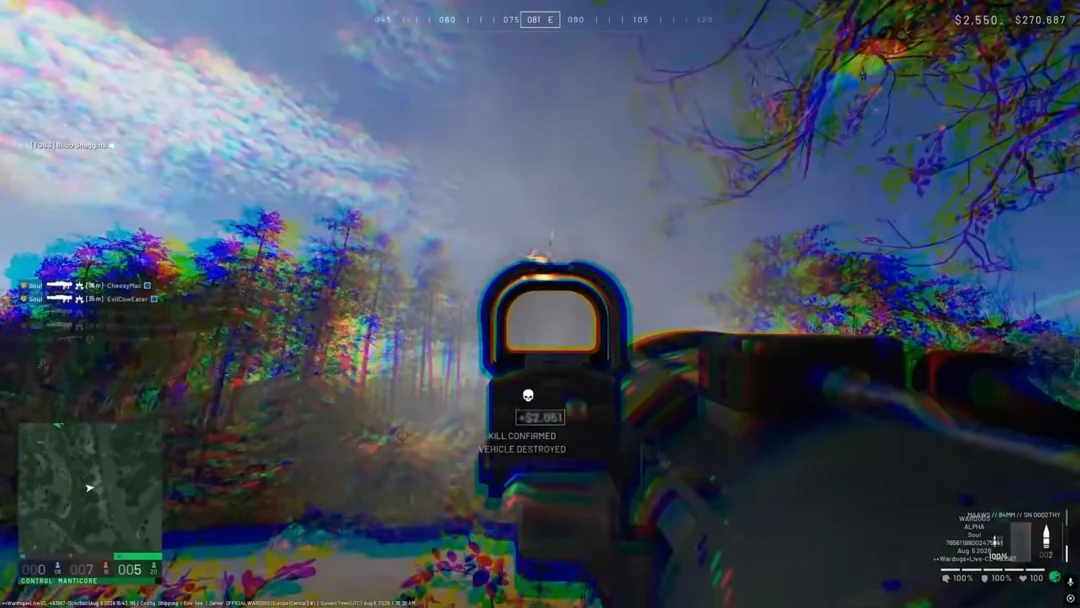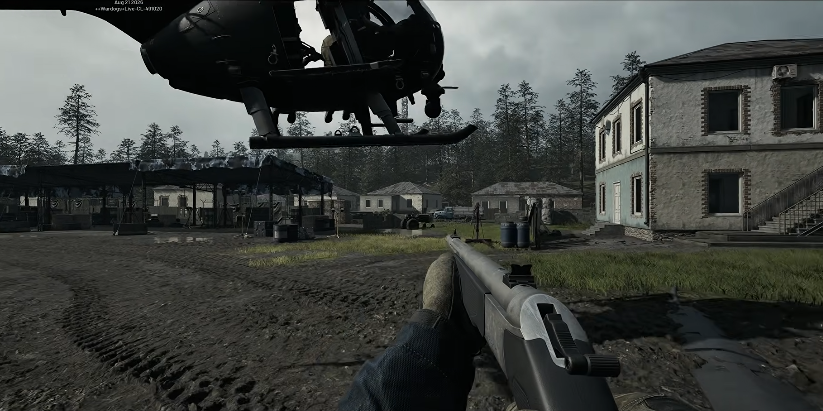
The gaming industry’s trajectory toward neural rendering technology solidified today as Bethesda Game Studios confirmed its commitment to Nvidia’s DLSS 5 framework for future titles, beginning with the highly anticipated The Elder Scrolls 6. This confirmation follows the technology’s implementation in Starfield and signals a fundamental shift in how major developers approach real-time graphics rendering.
DLSS 5: Beyond Traditional Rendering Limits
In a series of statements released alongside Nvidia’s official DLSS 5 announcement, Bethesda creative director Todd Howard articulated the studio’s perspective on the technology’s potential. “With DLSS 5, the artistic style and detail shine through without being held back by the traditional limits of real-time rendering,” Howard stated in Nvidia’s press materials. This endorsement represents more than just technical partnership—it signifies a philosophical alignment between Bethesda’s artistic ambitions and Nvidia’s neural rendering capabilities.
The technology, which utilizes artificial intelligence to generate and enhance graphical elements beyond what traditional rasterization can achieve, has sparked considerable debate within gaming communities. Initial reactions from some quarters have been skeptical, with critics labeling DLSS 5 as an “AI slop filter” that could homogenize artistic expression. However, Bethesda’s public statements directly address these concerns while positioning the technology as an enhancement rather than a replacement for artistic vision.
Artistic Control in the Neural Rendering Era
Perhaps the most significant revelation came from Bethesda’s official social media channels, where the company clarified that DLSS 5 implementation would include artist controls. “Artists will have the ability to adjust the final output and tweak the image to their liking,” the company stated on Twitter. This clarification addresses a core concern within development communities: that AI-powered rendering might diminish creative control rather than enhance it.
Furthermore, Bethesda confirmed that DLSS 5 would remain optional within their games, suggesting that players will retain agency over their visual experience. This dual approach—empowering both developers and players—could establish a template for how major studios implement neural rendering technologies moving forward.

The Hardware Reality: Dual RTX 5090s and Accessibility
Nvidia’s demonstration of DLSS 5 utilizing two RTX 5090 graphics cards has raised legitimate questions about accessibility and practical implementation. While such hardware configurations represent the extreme end of consumer technology, they also demonstrate the computational demands of real-time neural rendering at its highest fidelity.
Industry analysts suggest that Bethesda’s commitment to DLSS 5 indicates confidence in both the technology’s scalability and its eventual accessibility to mainstream gaming hardware. The development timeline for The Elder Scrolls 6, estimated at one to two years from now, aligns with projected advancements in consumer graphics technology that could make DLSS 5 features more widely available.
Capcom’s Parallel Implementation
Bethesda isn’t navigating this technological transition alone. Capcom has also announced DLSS 5 integration, demonstrating its potential in Resident Evil Requiem. This parallel adoption by multiple major developers suggests a broader industry movement toward neural rendering, rather than isolated experimentation.
The implications extend beyond visual fidelity. Neural rendering technologies like DLSS 5 could fundamentally alter development pipelines, allowing artists to focus on creative direction while AI handles the computational heavy lifting of rendering complex scenes. This shift might enable previously impossible scale in open-world games like those Bethesda specializes in creating.
From Starfield to Tamriel: The Technical Evolution
Starfield’s implementation of DLSS 5 serves as Bethesda’s proving ground for the technology. The space-faring RPG’s vast planetary landscapes and detailed ship interiors provide ideal testing conditions for neural rendering’s capabilities. Lessons learned from Starfield will directly inform how DLSS 5 integrates into The Elder Scrolls 6’s fantasy environments.
This progression represents more than just graphical improvement—it signals a maturation of Bethesda’s technical approach following the Creation Engine updates that powered Starfield. The studio appears to be positioning itself at the forefront of next-generation rendering techniques, potentially addressing long-standing criticisms about their engine technology while maintaining their distinctive design philosophy.
Community Response and Industry Impact
The gaming community’s response to DLSS 5 announcements has been polarized, reflecting broader debates about AI’s role in creative industries. Some enthusiasts celebrate the potential for unprecedented visual fidelity, while others express concern about computational requirements and artistic homogenization.
Bethesda’s transparent communication about artist controls and optional implementation represents a strategic approach to these concerns. By emphasizing human oversight and player choice, the studio positions DLSS 5 as an enhancement tool rather than a replacement for traditional development expertise.
The Broader Developer Ecosystem
Nvidia’s announcement included numerous developer partnerships beyond Bethesda, indicating that DLSS 5 represents an industry-wide inflection point rather than isolated adoption. This collective movement suggests that neural rendering will become increasingly standardized in AAA development pipelines, potentially creating new expectations for graphical capabilities across all major releases.
For Bethesda, this technological alignment places them within a larger ecosystem of developers exploring neural rendering’s possibilities. The shared knowledge and best practices emerging from this collective experimentation could accelerate implementation and refinement across the industry.
Future Implications for Game Design
The integration of DLSS 5 extends beyond graphical improvements—it potentially enables new design possibilities. With AI handling increasingly complex rendering tasks, developers might allocate computational resources to other systems: more sophisticated AI behaviors, larger simultaneous NPC counts, or more dynamic physics simulations.
For a studio like Bethesda, known for expansive worlds filled with interactive elements, this resource reallocation could prove transformative. The Elder Scrolls 6 might leverage these capabilities to create more living, reactive worlds than previously possible within technical constraints.
As neural rendering technologies mature, they could enable artistic directions previously limited by hardware capabilities. The distinctive visual styles that define Bethesda’s franchises—from Skyrim’s Nordic atmospherics to Starfield’s retro-futurism—might find new expression through AI-enhanced rendering that preserves artistic intent while expanding technical possibilities.
The confirmation of DLSS 5 integration represents more than another graphical upgrade—it signals Bethesda’s commitment to evolving their technical foundation while maintaining their distinctive creative identity. As neural rendering becomes increasingly integrated into development pipelines, the distinction between technological capability and artistic vision may blur, creating new possibilities for how games look, feel, and function. The true test will come when players experience these technologies not as isolated features, but as integral components of immersive worlds that feel both technologically advanced and authentically human in their creation.