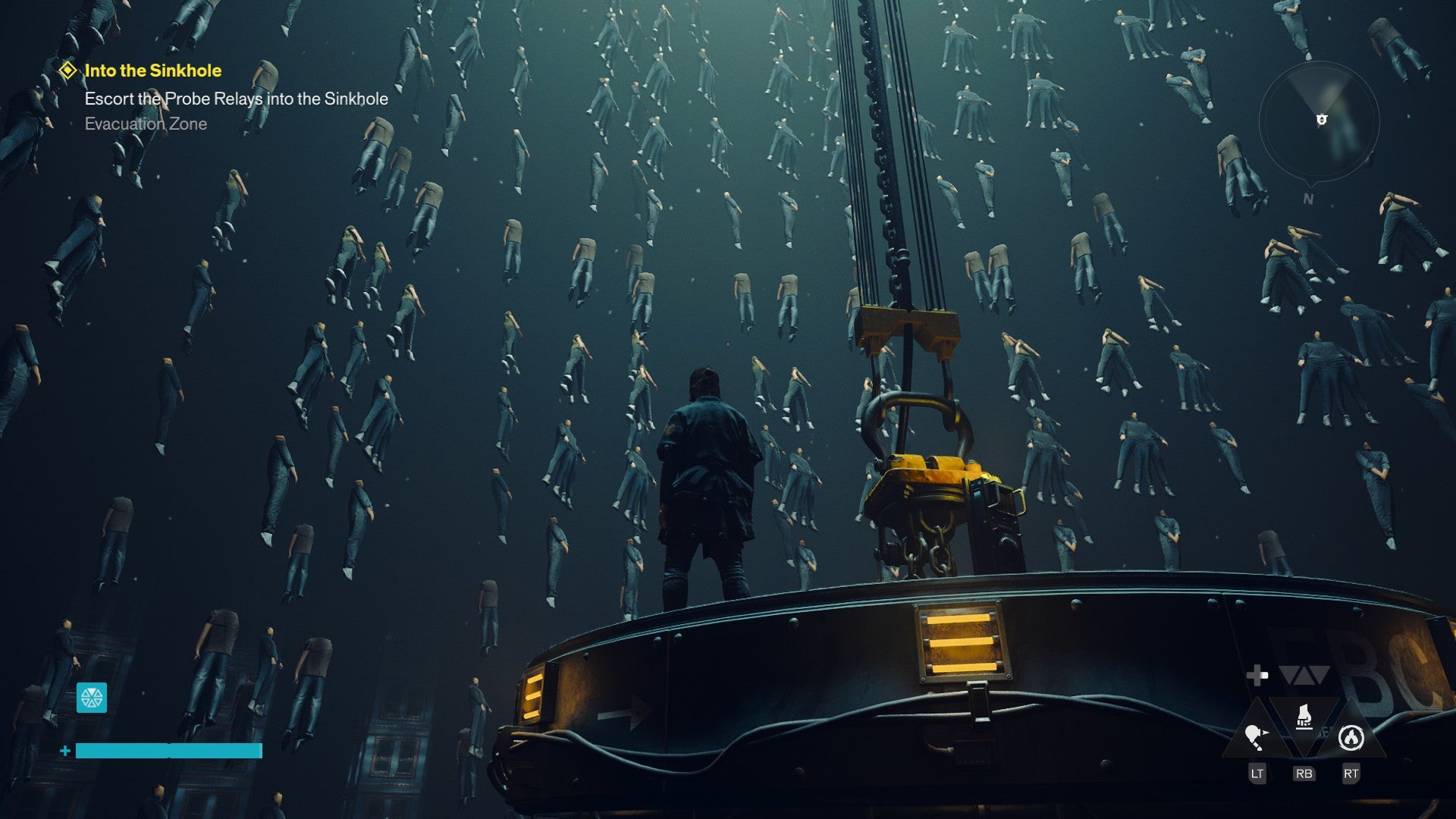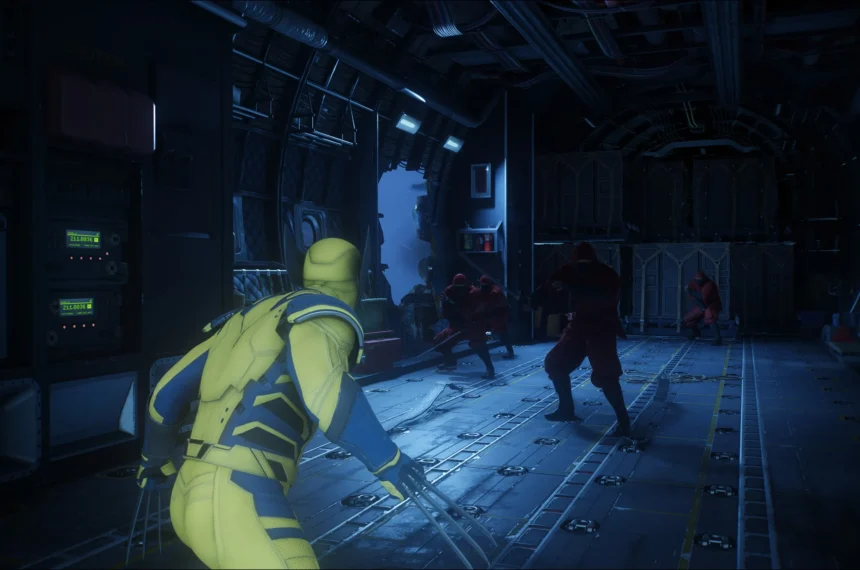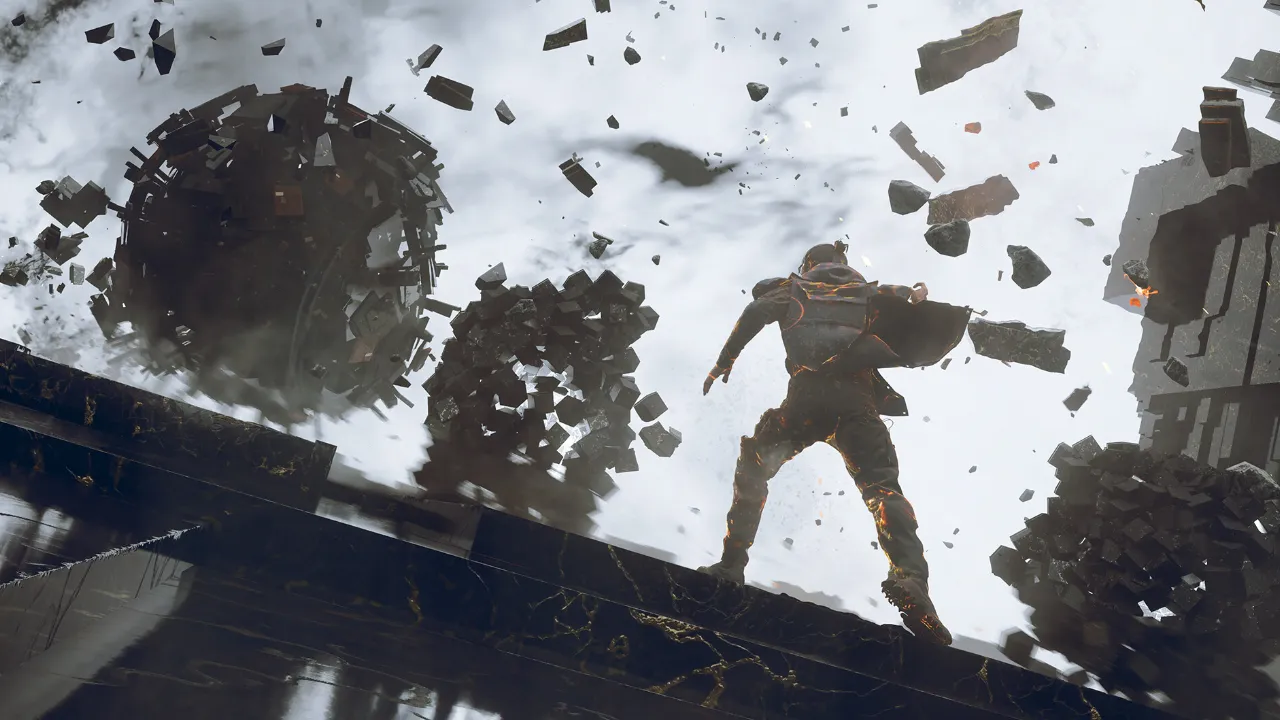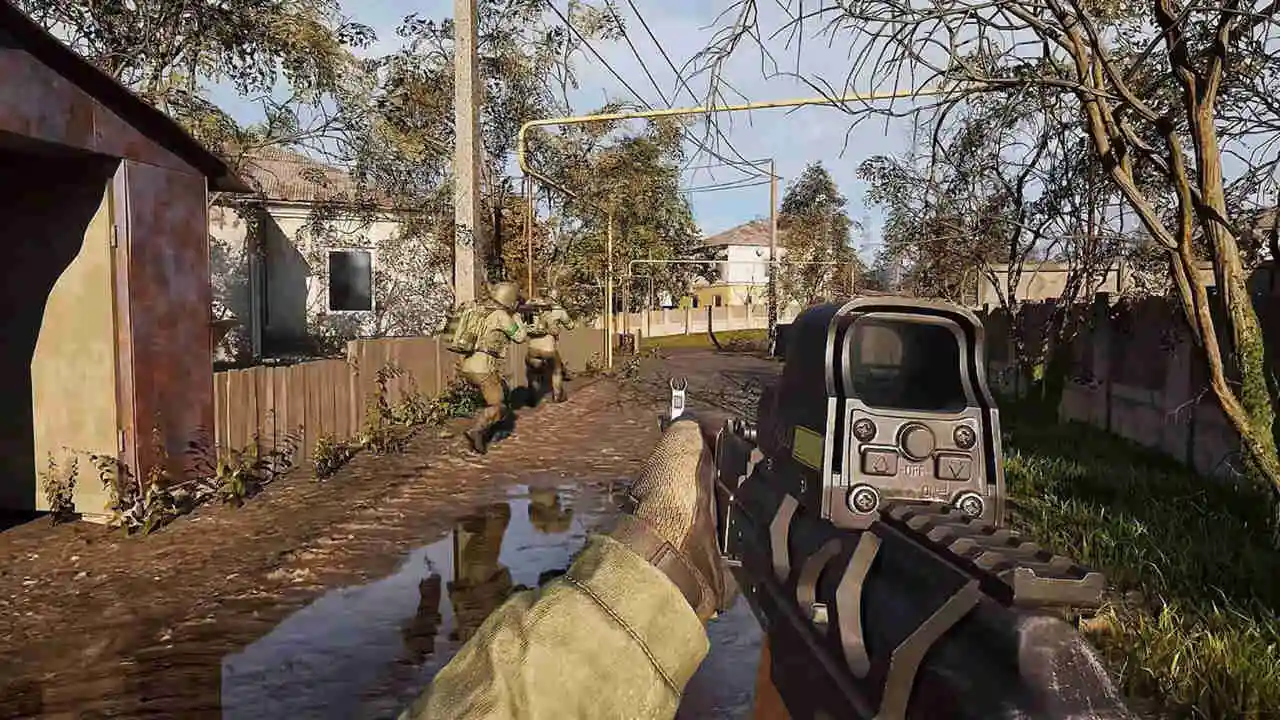
Bluepoint Games, the renowned studio behind acclaimed remasters and remakes like Shadow of the Colossus and Demon’s Souls, has been permanently closed by Sony Interactive Entertainment. The studio’s closure follows the high-profile cancellation of an ambitious, internally troubled live-service project set in the God of War universe, which would have starred Atreus, and a subsequent inability to secure approval for any new development work.
The Ambitious God of War Project That Never Was
After its acquisition by PlayStation, Bluepoint Games sought to pivot from its legacy of high-fidelity remakes to creating its own original intellectual property. According to reporting by Jason Schreier of Bloomberg, this ambition manifested in a live-service game set within the world of Sony Santa Monica‘s critically acclaimed God of War franchise. The project, which was in development for several years, was ultimately canceled in early 2025.
At the time, Sony was heavily investing in games-as-a-service (GaaS) titles, viewing them as pillars for generating continuous, long-term revenue post-launch. The vision for Bluepoint’s project was to create a sustainable live-service experience that could serve as a smaller-scale “shared universe” for the God of War brand, potentially spawning sequels and spin-offs.
Atreus’s Descent Into Hades
Early concepts for the game reportedly centered on Atreus, the son of Kratos, falling into the Greek underworld of Hades. The gameplay would have involved players controlling different versions or aspects of the character while navigating challenges in this mythological realm. The title was designed with cooperative elements and planned for ongoing content support, though the core ideas were said to be in constant flux throughout its development cycle.
A Fundamental Misalignment of Studio and Project
From its inception, the project appeared to be an awkward fit for Bluepoint’s established strengths. The studio had not released an original game since 2006’s Blast Factor for the PlayStation 3, building its sterling reputation almost exclusively on technical mastery in remastering and reimagining existing classics like Metal Gear Solid: The Twin Snakes, Uncharted: The Nathan Drake Collection, and the PlayStation 5 launch title Demon’s Souls.

While the team possessed exceptional technical and artistic prowess, it lacked the institutional experience in systemic game design and live-service infrastructure typically required to successfully launch and maintain a GaaS title. This skills gap created significant development hurdles that proved difficult to overcome, even with support and oversight from the God of War franchise’s home studio, Sony Santa Monica.
Internal Doubts and Development Stagnation
Internally, the project reportedly struggled to gain momentum and full team buy-in. Some developers questioned the strategic direction, wondering why the studio was not leveraging its proven action-adventure expertise to create a traditional, narrative-driven game instead of pursuing a live-service model that few within the team seemed genuinely passionate about. This lack of internal enthusiasm, combined with the complex technical demands of a persistent online game, led to years of slow, fraught progress.
After a prolonged development period with little to show, Sony officially pulled the plug on the God of War live-service game in January 2025. In a statement at the time, the company indicated it was working with Bluepoint to determine the studio’s next project, a process that would ultimately lead nowhere.
The Search for a New Direction and Mounting Frustration
In the wake of the cancellation, Bluepoint leadership scrambled to pitch new ideas to PlayStation Studios. The studio returned to its roots, proposing a new version of Shadow of the Colossus—a title it had already masterfully remade for PlayStation 4 in 2018—but Sony rejected the pitch. The studio also secured approval from Sony for a remake of the beloved Bloodborne, only for the project to be vetoed by the game’s original creator, FromSoftware.
Bluepoint then attempted to forge a path with original concepts and collaborations. One such pitch involved a potential spin-off within the universe of Sucker Punch’s Ghost of Tsushima. Despite these efforts, none of the proposals gained the necessary approval from Sony’s leadership. Compounding the problem, other internal PlayStation studios, many of which were facing their own financial pressures and resource constraints, were reportedly hesitant to commit to any partnerships or co-development projects led by Bluepoint.
The Final Blow and Sudden Closure
By the beginning of 2026, Bluepoint had spent over a year in a state of limbo, unable to greenlight a single new project. Morale and concern within the studio spiked dramatically when Sony announced plans to remake the original God of War trilogy for modern platforms—a task that would be handled by another, unnamed developer, explicitly excluding Bluepoint from the process.
This decision was interpreted as a profound vote of no confidence. Merely a week after this announcement, the studio’s employees were informed that Bluepoint Games would be shuttered permanently. Sources indicate that Sony’s leadership had ultimately concluded that Bluepoint lacked the capability to lead an original project to completion and, simultaneously, could not find a suitable partnership or supportive role for the talented team within its broader studio ecosystem.
Industry Implications and the Remake Specialist’s Dilemma
The closure of Bluepoint Games sends a stark message through the video game industry, particularly to studios specializing in remakes and remasters. It highlights the precarious position of such teams when parent companies shift strategic priorities. Bluepoint’s fate underscores the immense challenge of transitioning from a support or re-creation role to leading original, large-scale development, especially into competitive and technically demanding genres like live-service.
Sony’s aggressive push into live-service gaming, which included the acquisition of studios like Bungie and the launch of titles like Helldivers 2, created an environment where traditional single-player studios felt pressure to adapt. Bluepoint’s failed project represents a cautionary tale of what can happen when a studio’s core competencies are misaligned with corporate strategy.
The Human Cost of Corporate Restructuring
Beyond the project cancellations and studio closure lies a significant human cost. The talented artists, programmers, and designers at Bluepoint, who had consistently delivered some of the most visually impressive and technically polished games of the last two console generations, are now dispersed. The closure contributes to a worrying trend of industry consolidation and layoffs, where highly skilled teams are dissolved due to strategic miscalculations at the corporate level, rather than a failure of execution or quality.
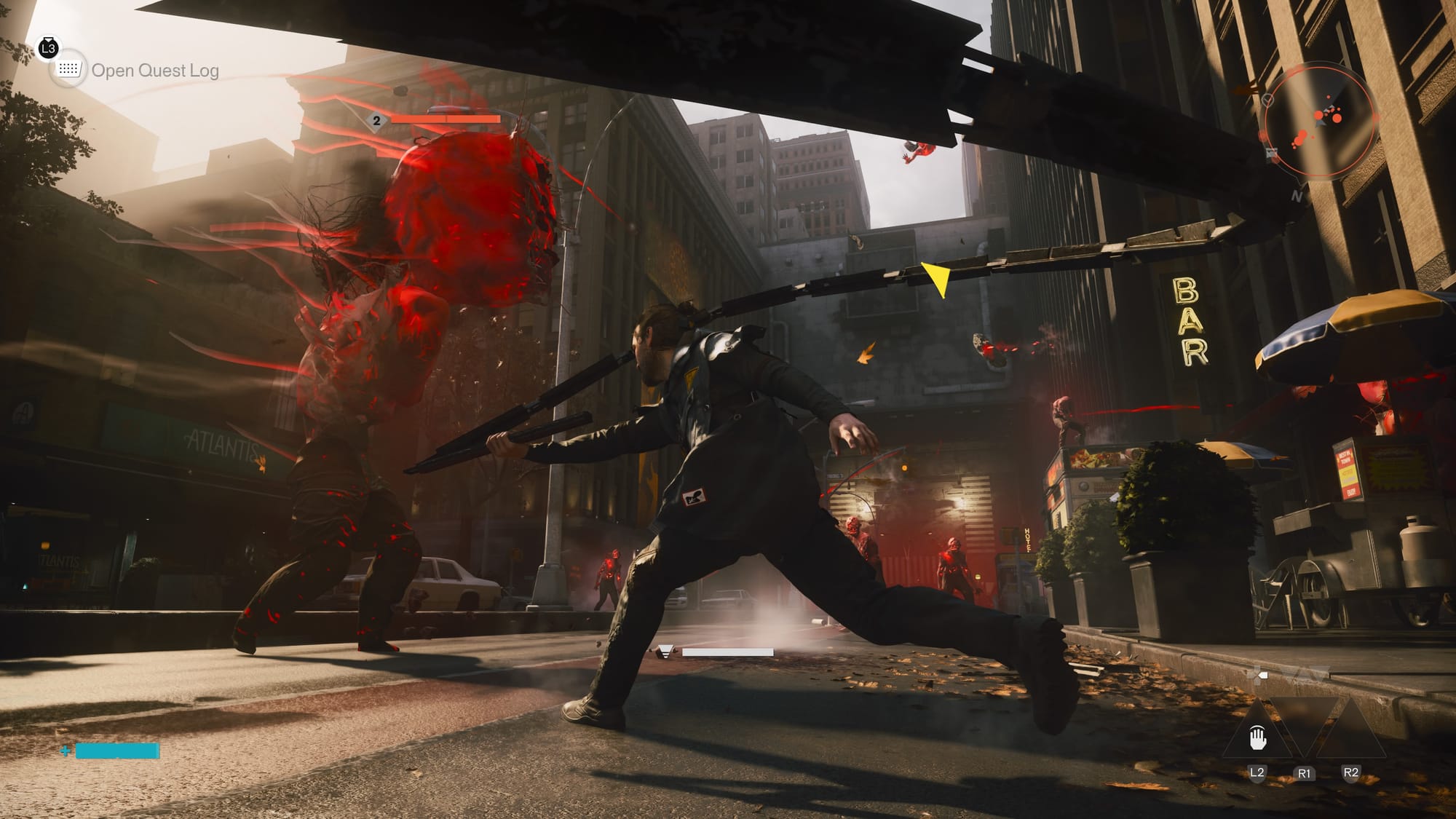
The legacy of Bluepoint Games remains secure in its catalog of exceptional work. Its Shadow of the Colossus remake is often cited as the gold standard for how to respectfully and beautifully update a classic. Its Demon’s Souls served as a stunning technical showcase for the PlayStation 5. Yet, its story concludes with the unfulfilled potential of an original vision and a stark reminder that in the current gaming landscape, technical artistry alone is not always enough to guarantee a studio’s survival when corporate winds change direction.
The shuttering of Bluepoint marks the end of an era for a specific kind of craftsmanship in game development. It leaves a void for players who appreciated the care and technical excellence the studio brought to revisiting gaming’s past, and raises questions about the risks for other specialist studios in an industry increasingly focused on live-service economies and blockbuster original franchises. The memory of its canceled God of War project will linger as a poignant ‘what if,’ a glimpse of a path not taken for both the studio and a beloved franchise.