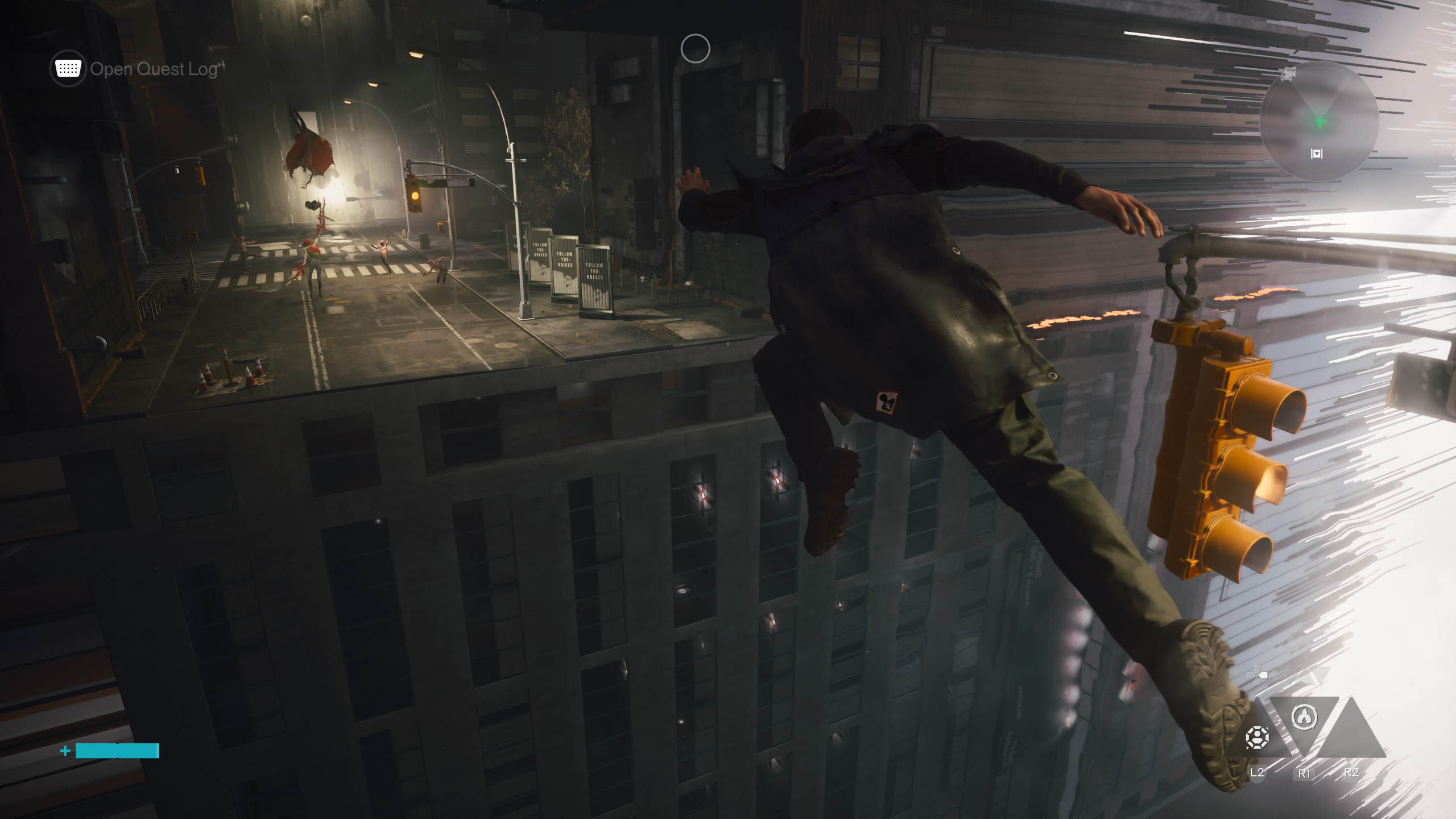
The gaming industry is facing a seismic shift, moving from the realm of public critique into the precincts of criminal investigation. In a stunning development, Build A Rocket Boy CEO Alleges Sabotage and Police Investigation After Disastrous ‘MindsEye’ Launch“>Rocket Boy CEO Mark Gerhard has declared that arrests will be made following an internal probe that uncovered evidence of deliberate corporate sabotage aimed at crippling the studio’s flagship title, MindsEye.
From Critical Failure to Criminal Investigation
MindsEye’s launch in 2025 was not merely a commercial disappointment; it was a cataclysmic event that saw the game become the lowest-rated title of the year on Metacritic. The project, born from the ambitions of ex-Rockstar developers, promised a revolution in open-world gameplay but delivered a product riddled with technical flaws, barren gameplay loops, and a narrative that critics described as incoherent. The immediate assumption was one of managerial failure or developmental overreach. However, the narrative has now dramatically changed.
Gerhard, in a candid interview with GamesBeat, shifted the blame from internal mismanagement to external malice. “We’ve got very strong evidence of this (corporate sabotage) and conducted quite thorough investigations over the months since launch,” Gerhard stated. He confirmed that the findings of these investigations have been handed over to authorities in both the United States and the United Kingdom, with the expectation that arrests will follow. This moves the discourse from forums and review aggregates into courtrooms and police reports.
The Anatomy of Sabotage in a Digital Age
Corporate sabotage in software development is a nebulous concept, often whispered but rarely proven. In the context of a video game, it could manifest in several devastating ways. Gerhard did not specify the exact methods, but industry analysts point to potential vectors. These include the deliberate introduction of critical bugs into the codebase late in the development cycle, the sabotage of key asset pipelines leading to corrupted or missing game assets, the manipulation of internal communication to create team friction and delay milestones, or even the coordinated leaking of damaging, false information to press and influencers to poison public perception pre-launch.
The financial and reputational damage from such acts is profound. MindsEye suffered massive refund rates, though Gerhard contested the scale, calling it a “false narrative” amplified by malicious intent. The studio’s partnership with IO Interactive dissolved, and Build A Rocket Boy’s standing as a serious contender in the AAA space was severely undermined. The implication that this downfall was engineered, rather than earned, forms the core of the studio’s new legal strategy.
Legal Precedents and Industry Implications
The pursuit of criminal charges for the sabotage of a video game’s development is unprecedented. Typically, disputes between developers, publishers, and contractors are settled through civil litigation—breach of contract suits, intellectual property disputes, or claims of unfair competition. The jump to alleging criminal activity, suggesting actions that could constitute fraud, conspiracy, or even cybercrime, signals a new level of severity in how studios protect their assets.
This case could establish a legal framework for what constitutes “digital sabotage” in a creative industry. If authorities proceed with arrests and prosecutions, it will create a stark warning to any individual or rival entity considering similar clandestine operations. The outcome could redefine corporate security protocols within game studios, leading to more stringent access controls, enhanced digital forensics capabilities, and a culture of heightened internal vigilance.
The Relaunch Amidst the Reckoning
Parallel to the legal proceedings, Build A Rocket Boy is attempting a monumental task: the relaunch of MindsEye. Gerhard claims the studio is in “good spirits” following the end of the IO Interactive partnership and that a major update is already receiving positive feedback. This effort is not just a patch job; it represents a complete rehabilitation of the game’s core systems and content, effectively attempting to rebuild public trust from the ashes of a launch framed as a victim of crime.
The success of this relaunch is now inextricably linked to the narrative of sabotage. If the game emerges as a polished, engaging experience, it will serve as Exhibit A for the studio’s claim that the original product was fundamentally sound but was maliciously corrupted. Conversely, if the relaunch fails to impress, it could undermine the sabotage narrative, suggesting the core problems were indeed inherent to the project’s design. The stakes are extraordinarily high on both the creative and legal fronts.
A Industry Under Scrutiny
The MindsEye saga forces a reevaluation of how “failure” is interpreted in gaming. It challenges the assumption that a bad game is simply a bad game. In an industry where development cycles are long, costs are astronomical, and competition is ferocious, the temptation to engage in unethical or illegal tactics to disadvantage a rival may exist. This case brings that shadowy possibility into the light.
For consumers and commentators, it introduces a complex layer of skepticism. When a game fails spectacularly, the question may now extend beyond “What went wrong in development?” to “Was something done to it?” It places a burden of proof on studios making such claims but also offers a potential explanation for some of the industry’s most baffling and catastrophic releases.
The coming months will be critical. The gaming community awaits two pivotal outcomes: the official action from authorities regarding the promised arrests, and the market’s reception of the relaunched MindsEye. Together, they will determine whether this episode is a singular incident of malfeasance or the opening of a new chapter in how the industry guards its most valuable creations. The line between creative failure and criminal interference has been drawn, and its enforcement will reshape the landscape for every developer aiming to build a rocket boy, or any other ambitious dream, in the digital age.