Edinburgh-based game developer Build a Rocket Boy has initiated a second round of staff layoffs in recent months, confirming industry-wide turbulence while making explosive claims of “organized espionage and corporate sabotage.” The studio, founded by former Rockstar North veterans, is navigating what it describes as a “difficult period” for the sector, pointing to external malicious activity as a compounding factor in its restructuring. This development follows earlier workforce reductions and adds to a growing tally of job losses across the video game industry throughout 2024 and into 2025.
The Official Announcement and Rationale
The company confirmed the layoffs in a statement, framing the decision within the context of broader market pressures. “Like many in the games industry, we are going through a difficult period and have had to make further redundancies,” a Build a Rocket Boy spokesperson stated. The acknowledgment of industry-wide challenges is a familiar refrain in 2024, a year marked by unprecedented consolidation and job cuts affecting developers, publishers, and support studios globally.
Allegations of Sabotage and Espionage
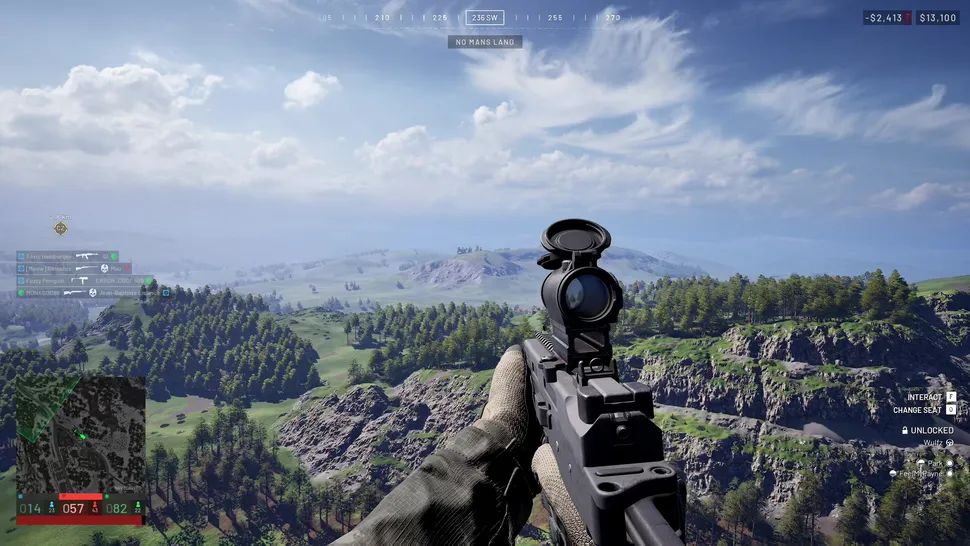
More striking than the confirmation of layoffs was the studio’s direct accusation of foul play. The statement continued, attributing part of its current predicament to “organized espionage and corporate sabotage.” While the company did not provide specific details regarding the nature of these alleged activities, the claim introduces a dramatic and unusual element into the standard narrative of economic adjustment. It suggests the studio believes it has been targeted by competitors or other bad actors seeking to undermine its projects, potentially including its ambitious flagship title, the open-world action game “Everywhere.”
Context: Build a Rocket Boy’s Ambitious Vision
Founded by Leslie Benzies, a key figure behind the monumental success of the Grand Theft Auto series, Build a Rocket Boy has operated with a grand vision from its inception. The studio announced “Everywhere” as a vast, interconnected gaming experience, alongside a companion creative tool suite called “Arcadia.” The scale of the ambition required significant investment and a large, multi-studio team spread across Edinburgh, Budapest, and Montpellier.
Previous Layoffs and Financial Pressures
This is not the company’s first workforce reduction. Earlier in 2024, Build a Rocket Boy laid off a portion of its staff, indicating early signs of financial strain as it worked to bring its complex projects to market. The games industry has faced a perfect storm of rising development costs, post-pandemic market corrections, and a more cautious investment climate. For a studio betting on a new, unproven IP requiring a massive and sustained player base to succeed, these market conditions present a formidable challenge.

The Human Cost of Restructuring
While the exact number of affected employees in this latest round has not been disclosed, each redundancy represents a significant personal and professional disruption. The impact extends beyond the studio, contributing to a climate of uncertainty within the wider UK and European development community. Skilled professionals, from artists and programmers to designers and producers, are once again entering a competitive job market during a period of industry contraction.
Industry-Wide “Difficult Period” Explained
Build a Rocket Boy’s reference to a sector-wide “difficult period” is a significant understatement. The past 18 months have seen tens of thousands of jobs eliminated across gaming. Major publishers like Electronic Arts, Microsoft, Sony, and Take-Two have all conducted large-scale layoffs, while renowned independent studios have been forced to close entirely. The causes are multifaceted, including over-expansion during the pandemic gaming boom, the economic pressures of inflation and high interest rates, and the daunting economics of developing AAA games that now routinely require budgets exceeding $100 million.
The Challenge of New IP in a Risk-Averse Market
In such an environment, investors and publishers become increasingly risk-averse, favoring sequels, remakes, and established franchises over original intellectual property. This creates a particularly steep hurdle for studios like Build a Rocket Boy, whose entire proposition is built on a new, untested universe. Securing ongoing funding or favorable publishing deals becomes exponentially harder when the market sentiment shifts toward safe bets, potentially forcing studios to scale back ambitions or reduce headcount to extend their financial runway.
Analyzing the “Corporate Sabotage” Claim
The allegation of “organized espionage and corporate sabotage” is a serious and uncommon public accusation in the games industry. While competitive intelligence is a standard part of any business, active sabotage implies intentional, malicious acts designed to damage the company’s operations, steal its proprietary information, or derail its projects.
Potential Forms of Sabotage
In the context of game development, such activities could range from cyber-attacks aimed at stealing source code or design documents, to poaching key personnel with critical knowledge at a sensitive time, or even spreading disinformation to damage the studio’s reputation with partners or its player community. The high-stakes nature of AAA development, where a single game’s failure can jeopardize an entire studio, can sometimes foster cutthroat competition, though explicit sabotage is rarely cited publicly.
Legal and Reputational Implications
By making this claim publicly, Build a Rocket Boy may be signaling that it has identified a specific threat and is taking legal or security steps in response. It also serves as a narrative tool, potentially shifting some blame for internal challenges onto external, malicious actors. However, without concrete evidence presented publicly, the claim also risks being perceived as a deflection from internal management issues or market realities. How the studio follows up on this allegation will be closely watched by both the industry and its remaining employees.
The Road Ahead for Build a Rocket Boy and “Everywhere”
The immediate future for the studio is one of consolidation and focus. Layoffs, while painful, are typically implemented to reduce burn rate and streamline operations, allowing the company to focus its remaining resources on the most critical path to shipping its game. The development of “Everywhere” is likely now under intense scrutiny, with scope and features being rigorously evaluated against remaining budget and timeline.
Maintaining Morale and Vision
One of the greatest challenges following layoffs is maintaining morale and creative momentum among the surviving team. This task is complicated further by the public allegations of sabotage, which could create an atmosphere of suspicion or siege mentality. Leadership will need to clearly communicate its revised plan, provide stability, and reaffirm the core vision that brought the team together, all while delivering on the monumental technical and creative promise of “Everywhere.”
Broader Lessons for the Games Industry
The situation at Build a Rocket Boy encapsulates several critical issues facing modern game development: the extreme financial risk of creating new AAA IP, the vulnerability of even well-funded studios to market shifts, and the intense human cost of industry volatility. It also raises uncomfortable questions about the lengths to which competitors might go in a winner-takes-all environment. The industry’s growth has been phenomenal, but its current consolidation phase reveals structural weaknesses and operational pressures that need addressing to ensure sustainable careers and creative innovation.
As Build a Rocket Boy regroups, the industry will be watching to see if it can navigate these turbulent waters. The success or failure of “Everywhere” will not only determine the fate of the studio but will also serve as a bellwether for the viability of ambitious, original blockbuster games in this new economic reality. The hope for many is that the studio can channel its defiant energy—implied in its name and its recent accusations—into overcoming both market forces and any unseen adversaries, ultimately delivering on its long-awaited promise to players.