ByteDance, the parent company of TikTok, has indefinitely postponed the worldwide launch of its highly anticipated Seedance 2.0 video generation model. The decision comes in direct response to escalating legal pressure from major Hollywood studios and industry associations, who have filed copyright infringement lawsuits and cease-and-desist orders against the Chinese technology giant. The model, which briefly captivated the internet in February 2026 with hyper-realistic videos of fictional crossovers, is now at the center of a landmark legal battle over artificial intelligence and intellectual property rights.
The Viral Showcase That Triggered a Legal Firestorm
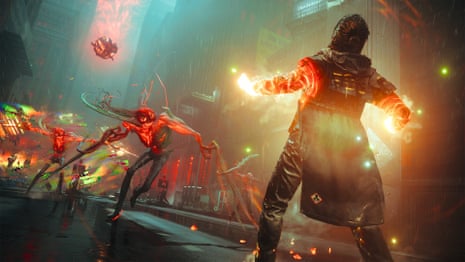
In mid-February 2026, a wave of astonishing videos began flooding social media platforms. They were not the product of a major visual effects studio, but of early testers using ByteDance’s unreleased Seedance 2.0. The clips were characterized by their cinematic quality, professional-grade lighting, and seamless animation. One particularly viral example featured the beloved Japanese cartoon character Doraemon engaged in a high-octane battle with Vegeta from the Dragon Ball franchise. Another depicted Hollywood icons Tom Cruise and Brad Pitt in a meticulously choreographed fight scene on a skyscraper rooftop. The public reaction was one of awe and immediate demand, with ByteDance itself fueling expectations by confirming an imminent global rollout planned for mid-March.
Hollywood’s Swift and Decisive Legal Counterattack
The viral success of these AI-generated videos acted as a clarion call for the traditional entertainment industry. Within days, corporate legal teams at studios including Disney and Paramount Global mobilized. Their argument was straightforward: Seedance 2.0 was being used to create derivative works featuring copyrighted characters, settings, and the likenesses of actors without permission, license, or compensation. This, they contended, constituted a clear and mass-scale violation of intellectual property law.
Cease-and-Desist Orders and Industry-Wide Condemnation
The studios did not limit themselves to private legal threats. Public statements from powerful industry bodies amplified the pressure. The Motion Picture Association (MPA), representing all major Hollywood studios, issued a formal statement accusing ByteDance of “infringing existing copyright law, which protects the rights of creators and underpins millions of jobs in the United States. ByteDance must immediately cease its infringing activity.” Similarly, the Human Industry Campaign, a coalition advocating for human creativity in the face of automation, condemned the technology as a direct threat to artistic professions and the economic ecosystem of film and television production.
ByteDance’s Strategic Retreat and Reassessment
Faced with this coordinated legal and public relations offensive, ByteDance executed a strategic pivot. According to reporting from Reuters, the company has suspended its planned mid-March global release. Internally, the focus has shifted from product launch to legal triage and technical mitigation. Company statements indicate there is no new launch date. Instead, ByteDance’s legal team is conducting a deep analysis of the cease-and-desist notices, while its engineering teams are reportedly working to develop and implement new safety guardrails within the Seedance 2.0 model.

The Core Technical and Legal Challenge
The primary task for ByteDance’s engineers is extraordinarily complex: creating filters and content recognition systems that can prevent the AI from generating outputs that infringe on copyrighted intellectual property. This involves teaching the model to recognize millions of copyrighted characters, actor likenesses, distinctive artistic styles, and potentially even narrative tropes associated with specific franchises. The legal team’s parallel challenge is to define the boundaries of fair use and transformation in the context of AI generation, a legal gray area that is currently being contested in courtrooms worldwide.
The Broader Implications for AI Video Generation
The postponement of Seedance 2.0 is not an isolated incident but a pivotal moment for the entire generative AI video sector. It signals that the era of unfettered, Wild West-style development for these powerful models is coming to an end. Other companies developing similar technology, such as OpenAI with Sora, Runway ML, and Stability AI, are now on clear notice that the commercialization of their tools will be contingent on robust copyright compliance mechanisms.
Precedent for Licensing and Collaboration
This confrontation may ultimately steer the industry toward a new paradigm based on licensing and collaboration, rather than litigation. One potential future model could see AI companies partnering directly with studios and IP holders to create official, licensed tools for fan creation or even professional pre-visualization. Another path involves training models exclusively on licensed or synthetic data, though this presents significant technical hurdles in achieving the same level of output quality and versatility.
The Question of Actor Likeness and Personality Rights
Beyond cartoon characters and fictional universes, the Seedance 2.0 controversy highlights the urgent, unresolved issue of personality rights in the AI age. The ability to generate a convincing, deepfake-like performance from a living actor like Tom Cruise without their consent opens a profound ethical and legal dilemma. It challenges existing right-of-publicity laws and raises questions about who controls an individual’s digital likeness, especially after their death.
Market Reaction and the Future of Seedance
The suspension has created significant uncertainty for ByteDance’s AI ambitions. Seedance was positioned as a key component in diversifying the company’s portfolio beyond TikTok and competing directly with Western AI leaders. The delay grants competitors valuable time to advance their own technologies while potentially incorporating the lessons from ByteDance’s legal troubles. For content creators and early adopters who had eagerly awaited the tool, the news represents a major disappointment and a cooling of the initial hype, reminding them that access to cutting-edge AI capabilities will be governed by legal frameworks as much as by technological breakthroughs.
The pause of Seedance 2.0’s global launch is more than a corporate setback; it is a case study in the collision between disruptive innovation and established legal order. The outcome of this standoff will help write the rulebook for a new creative medium, determining whether generative AI video becomes a tool for infringement or a platform for licensed, collaborative innovation. The path ByteDance chooses from here—whether to fight the lawsuits, seek settlements, or redesign its product from the ground up—will resonate across the entire technology and entertainment landscape, setting precedents that will shape digital creativity for years to come.