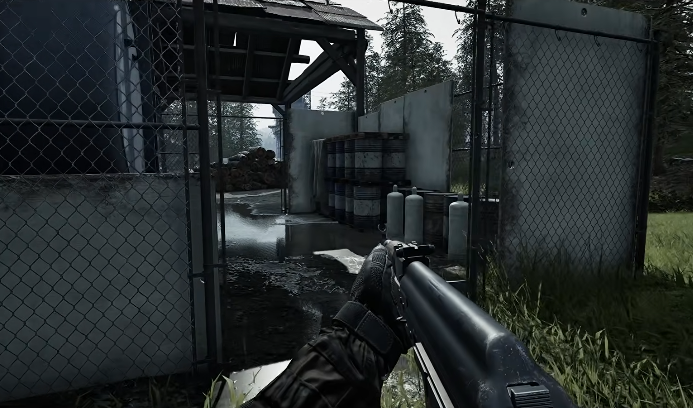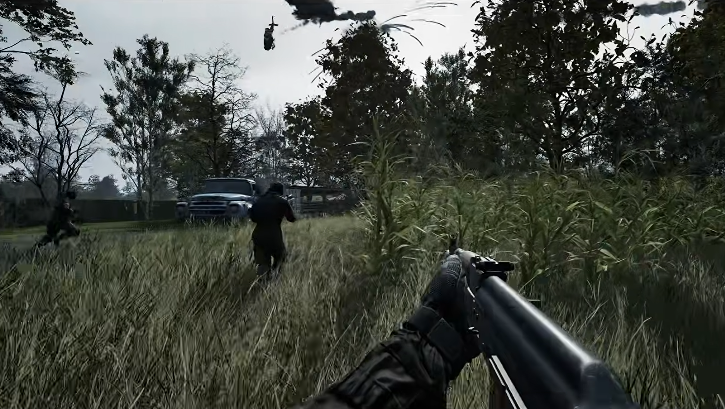
Call of Duty is making a serious play for dominance in the extraction shooter space, and its upcoming DMZ mode is the vehicle for that ambition. Scheduled to launch alongside Modern Warfare 4 on October 23rd, DMZ is being positioned as the definitive Call of Duty extraction experience, built on years of player feedback and a deep understanding of how the genre has evolved. This time around, the team at Activision is making PvP a core pillar of the offering, and the centerpiece of that effort is a new bounty system designed to reward hunting, create dynamic conflict, and give every raid a layer of consequence that has been absent from previous iterations.
The Extraction Shooter Landscape and Call of Duty’s Bet
The extraction genre has seen explosive growth and fierce competition, with titles like Escape from Tarkov, Hunt: Showdown, and the now-canceled ARC Raiders shaping player expectations. Call of Duty DMZ enters this arena with a distinct advantage: a massive existing player base, the financial backing of Activision, and a development cycle informed directly by community behavior and genre trends. The decision to make PvP a core mechanic rather than an optional risk reflects a broader shift in the extraction shooter community, where player-versus-player encounters are increasingly seen as the primary source of tension, replayability, and emergent storytelling. DMZ is not simply copying the formula, however. It is introducing systems that are designed to incentivize engagement on both sides of the conflict, and the bounty system is the most significant of these innovations.
Building a Reputation in Hajin
The world of Hajin is vast, spanning three distinct countries: South Korea, North Korea, and Russia. This is not a static map. It features an evolving weather system, a player hideout, crafting mechanics, and roving factions that alter the flow of each raid. For players who prefer a more aggressive approach, the bounty system provides a framework that transforms every kill into a potential liability or reward. Activision has confirmed that players who eliminate others without provocation will begin to build a reputation as rogues. This reputation is not merely cosmetic. It has real mechanical weight that escalates based on the frequency and severity of unprovoked attacks.
How the Bounty System Works
The core mechanic is straightforward but layered. When a player kills enough others without being provoked, an automatic bounty is placed on their head. This bounty is visible to other players in the raid, and if they successfully hunt down the marked player and secure their dog tags, they claim a monetary reward. This creates an immediate risk-reward calculation for aggressive players: the more you hunt, the more you become the hunted. The system does not stop at a simple bounty, however. It escalates.
The Escalation Mechanic: From Rogue to Wanted
Once a player crosses a certain threshold of unprovoked kills, their status changes. They become wanted. At this point, the dynamic shifts dramatically. Other players in the raid gain the ability to purchase intelligence that reveals the wanted player’s location on the map. This intelligence is a purchasable item, meaning that coordinated squads can pool resources to track a high-value target with precision. The wanted player is now visible to everyone who has bought that intel, turning them into a primary objective for the entire lobby. This mechanic ensures that PvP aggression is never without consequence, and it creates a natural tension between the desire to engage in combat and the awareness that every kill brings you closer to becoming a global target.

The Leaderboard System and Playstyle Parity
Activision has also confirmed a robust leaderboard system that memorializes top players across multiple categories. This includes rankings for the most effective bounty hunters, the most prolific killers, and presumably other metrics related to extraction success, crafting, and faction reputation. The deliberate design choice here is to signal that no approach is inherently superior. A player who avoids PvP entirely can still climb the leaderboard through exploration, crafting, and completing faction objectives. The bounty system, combined with this leaderboard structure, ensures that the PvP-focused player and the PvE-focused player can coexist within the same ecosystem without one feeling that their playstyle is devalued.
What Is the Call of Duty DMZ Bounty System?
The Call of Duty DMZ bounty system is a reputation-based mechanic that automatically places a monetary reward on players who kill others without provocation. As a player accumulates unprovoked kills, they become rogue, then wanted, at which point other players can purchase intelligence to track their location. Successfully hunting down a wanted player and securing their dog tags grants the hunter a cash reward and leaderboard recognition. The system is designed to create a dynamic risk-reward loop that encourages PvP engagement while also imposing meaningful consequences for aggressive play.
Implications for the Extraction Shooter Genre
The bounty system addresses one of the most persistent criticisms of extraction shooters: that PvP can feel arbitrary, unrewarding, or punitive. By formalizing the hunt with a clear reward structure and an escalation mechanic, DMZ transforms chaotic encounters into a game-within-a-game. Players who enjoy hunting are given a clear objective and a path to recognition. Players who prefer to avoid conflict are given tools to understand who the threats are and where they are located. The intelligence-purchasing mechanic is particularly clever, as it turns information into a commodity that teams must decide to invest in, adding a layer of economic strategy to the decision to engage or avoid.
The Hajin Map and Its Role in PvP Dynamics
Hajin is not just a backdrop. Its three-country geography creates natural chokepoints, contested zones, and safe corridors that will shape how the bounty system plays out in practice. The evolving weather system adds another variable: a sandstorm or heavy rain can obscure vision, making tracking more difficult but also making ambushes more viable. The roving factions introduce a third-party element that can interrupt player hunts or provide unexpected opportunities. Crafting mechanics allow players to create equipment that might give them an edge in tracking or survival. The hideout serves as a persistent space where players can prepare for raids, manage their reputation, and study the leaderboard. All of these systems are interconnected, and the bounty system is the thread that ties the PvP experience together.
Practical Consequences for Players
For the average player, the bounty system changes how you approach every raid. You will need to be aware of your own reputation and the reputation of those around you. A squad that has been hunting aggressively might find themselves marked, turning their extraction run into a gauntlet of pursuing teams. Conversely, a squad that has been avoiding conflict might spot a wanted player on the map and decide to pivot from their original objective to claim the bounty. This creates a fluid, player-driven narrative that changes from raid to raid. The system rewards situational awareness, map knowledge, and the ability to make quick decisions under pressure. It also rewards restraint: a player who chooses not to engage an unprovoked opponent is not just being passive, they are avoiding the accumulation of rogue status that would make them a target.
The Broader Context of Call of Duty’s Strategy
Call of Duty DMZ is launching alongside Modern Warfare 4, which suggests that Activision sees the extraction mode as a long-term pillar of the franchise, not a one-off experiment. The decision to release on October 23rd places it in the heart of the holiday gaming season, and the integration with Modern Warfare 4 means that players who buy the main game will have immediate access to DMZ. This cross-pollination is a strategic move to drive adoption and build a critical mass of players from day one. The bounty system is just one piece of a larger puzzle that includes crafting, hideout progression, faction reputation, and the evolving world of Hajin. Together, these systems are designed to create a loop that keeps players coming back for more, with each raid offering the potential for a different kind of story.
The extraction shooter genre has been searching for a breakout mainstream hit that can balance hardcore mechanics with accessibility. Call of Duty DMZ, with its bounty system and its focus on player-driven conflict, may be the title that finally achieves that balance. The summer months will bring more details, but the foundation laid by the bounty system suggests a game that understands what makes the genre thrilling: the knowledge that every encounter matters, that every decision has a consequence, and that the line between hunter and hunted can shift in an instant.