The competitive landscape of Counter-Strike 2 has been fundamentally altered by a sweeping gameplay update that refactors one of the franchise’s most basic mechanics: reloading. The latest patch, deployed on March 19, 2026, introduces a punishing new system where remaining ammunition in a magazine is completely discarded upon reload, forcing players to reconsider every tactical decision. This change, alongside new visual ammunition displays and controlled map guidance features, represents Valve’s most significant push yet to deepen the strategic layer of its flagship tactical shooter.
A Fundamental Shift in Firefight Economy
For decades, the reload mechanic in Counter-Strike operated on a simple principle: swapping a partially spent magazine for a fresh one would preserve the remaining rounds, adding them back to the player’s reserve pool. This allowed for aggressive, spam-heavy playstyles with less severe consequences for poorly timed reloads. The March 2026 update dismantles this safety net entirely. Now, when a player hits the reload key, any bullets left in the chambered magazine are lost forever, directly depleting the total available ammunition for that life.
This single alteration ripples through every aspect of gameplay. The economic metagame, long centered on weapon and utility purchases, now must account for ammunition conservation as a primary resource. Spraying through smoke for information, pre-firing common angles, and suppressing fire to cover a teammate’s rotation now carry a tangible, potentially round-losing cost. Players must now make conscious decisions about whether to engage, disengage, or commit based on their remaining magazine capacity, adding a new layer of mental calculation to high-pressure situations.
Visual Clarity and New Reserve Systems
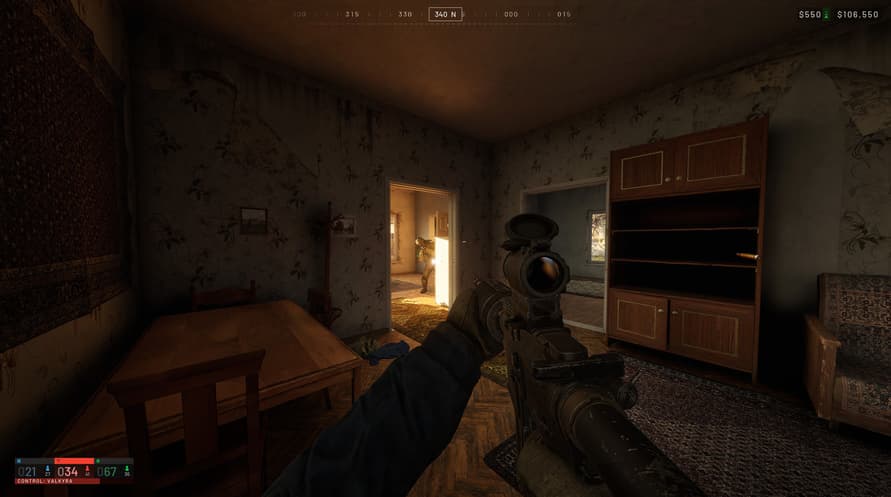
To support this more demanding system, Valve has completely overhauled the game’s ammunition display. The reserve ammo counter no longer shows a simple aggregate number. Instead, it now displays ammunition in the format most relevant to the weapon: magazines for rifles and SMGs, shells for shotguns, and individual bullets for weapons like the AWP or Deagle. Directly beneath this, a new visual element shows the current fill level of the weapon’s active magazine.
This dual-display system provides instantaneous, critical information. A player can glance at their HUD and immediately know they have three full magazines remaining for their M4A1-S and that their current magazine is two-thirds empty. This clarity is essential for the new reload penalty to function fairly, eliminating guesswork and ensuring players have the data needed to make informed tactical choices. Furthermore, reserve magazine counts have been individually adjusted per weapon, balancing them around this new paradigm to prevent certain guns from becoming obsolete.
Guided Learning for New and Veteran Players
Recognizing that the reload change and other complex mechanics create a steeper learning curve, the update introduces a sophisticated new Map Guide system. Available in Competitive and Retakes modes, this feature provides limited, in-game guidance for the first five rounds of each half. Up to 30 guidance “nodes” can appear, highlighting common setups, smoke line-ups, or rotation paths directly on the playing field.
Server-Side Control and Customization
The system is not a one-size-fits-all solution. Server administrators have fine-grained control through two new console variables. The `sv_allow_annotations_access_level` setting offers three tiers: disabled (0), limited view-only access (1), and full access with editing capabilities (2). A second variable, `sv_annotation_limits_max_rounds_per_half`, allows servers to define how many rounds the guides are active, with a default of 5 and an option for unlimited (-1). To jumpstart the ecosystem, Valve has created basic starter guides for all maps in the Active Duty pool, offering foundational strategies for common roles and positions.
This approach serves a dual purpose. For newer players or those learning a map, it provides structured, contextual learning without needing to alt-tab to a guide. For veterans and community leaders, the editing tools empower them to create and share advanced tactical frameworks, potentially standardizing callouts and strategies in a visible, in-game format. It democratizes high-level knowledge while keeping its influence controllable in serious competitive environments.
Social Accessibility in Workshop and Practice
Beyond core gameplay, the patch enhances the social and creative aspects of CS2. A long-standing point of friction has been removed: players can now directly join friends who are in Practice or Workshop maps via the friends menu, provided the host has Open Party enabled. Previously, this required cumbersome invites or joining through a lobby. This quality-of-life improvement lowers the barrier for collaborative learning, map exploration, and content creation.
For the vibrant community of map makers and aim trainers, this change is significant. It facilitates easier playtesting, allows creators to gather friends for impromptu feedback sessions, and makes community servers running custom workshop content more accessible. It signals Valve’s continued support for the modding community that has been a cornerstone of Counter-Strike’s longevity, ensuring that the social fabric of the game extends seamlessly into its custom content spaces.
The Ripple Effects on Competitive Play
The implications of the reload change are already being dissected by professional analysts and players. The meta will likely shift away from high-rate-of-fire, low-damage weapons that burn through ammo quickly. Rifles like the AK-47 and M4A4, with their high per-bullet damage, become more valuable as each shot carries greater potential impact. Pistol rounds and eco rounds gain new complexity, as preserving ammunition from picked-up weapons becomes crucial for survival. Teams may even develop dedicated “ammo carriers” or specific protocols for sharing weapons to optimize total available firepower.
The update also places a premium on utility usage. With bullets at a premium, well-placed grenades, molotovs, and flashes become even more critical for gaining positional advantages and conserving rifle ammunition. The strategic depth of the game expands outward from mere aim and reaction time into meticulous resource management, mirroring the careful economy of utility that has always been a hallmark of top-tier play.
Stability and the Road Ahead
As with any major overhaul, the patch includes numerous stability fixes to ensure the new systems operate smoothly. The community’s reception will be the ultimate test. While some may decry the change as too punishing or a departure from tradition, it aligns with a clear design philosophy: elevating deliberate, thoughtful strategy over reflexive, spam-heavy combat. It makes every bullet count in a literal sense, rewarding precision, patience, and foresight.
The landscape of Counter-Strike 2 is now different. The sound of a reload is no longer just a procedural audio cue; it is the sound of a calculated risk, a commitment, and a potential mistake. The game has asked its players to be more mindful for years through its economy and utility systems. Now, that mindfulness extends to the very act of pulling the trigger. The march of progress in competitive gaming is often measured in frames per second and network tick rates, but sometimes it is measured in the bullets left behind in a discarded magazine, and the new strategies born from their absence.