In the crowded landscape of PlayStation’s recent State of Play presentation, where dozens of titles vied for attention, one game managed to carve out a distinct and memorable identity. Crimson Moon, an action RPG from an emerging development studio, emerged not just as another entry in the popular Soulslike genre but as a deliberate fusion of two seemingly disparate gaming philosophies. By marrying the methodical, atmospheric dread of FromSoftware’s Dark Souls with the breakneck, aggressive combat of id Software’s Doom reboot, all set to a blistering heavy metal soundtrack, Crimson Moon is positioning itself as a unique hybrid designed to appeal to a specific, passionate segment of gamers.
The Core Fusion: Atmospheric Dread Meets Aggressive Pacing
The fundamental promise of Crimson Moon lies in its synthesis of two iconic playstyles. From the Dark Souls lineage, the game inherits a foundational structure built on tension, consequence, and environmental storytelling. Players can expect a grim, interconnected fantasy world shrouded in mystery, where lore is pieced together through cryptic item descriptions and subtle visual cues. The checkpoint system, likely revolving around bonfire-like sanctuaries, will enforce a cycle of cautious exploration, resource management, and calculated risk. The weight of combat, the importance of stamina management, and the punishing learning curve from enemy attack patterns are all Souls hallmarks that Crimson Moon appears to embrace.
Injecting the Spirit of Doom
Where Crimson Moon diverges sharply is in its combat tempo and player empowerment. While a traditional Soulslike often rewards patience and defensive timing, Crimson Moon injects the relentless, forward-moving energy of Doom (2016) and Doom Eternal. This suggests a combat system that may incentivize aggression over passivity. Instead of waiting for an opening behind a shield, players might be encouraged to close distance rapidly, utilize a “glory kill”-style mechanic to regain health, and maintain constant offensive pressure. The potential for weapon switching to address specific enemy weaknesses, a cornerstone of Doom Eternal’s dance of death, could be translated into a fantasy context, creating a rhythm of combat that is both strategic and frenetic.
The Role of Co-operative Play
The confirmed inclusion of co-op gameplay further distinguishes Crimson Moon from the typically solitary, lonely experience of a Souls game. This design choice directly channels the communal, celebratory energy of a metal concert or a group of friends conquering a challenge together. Co-op has the potential to fundamentally alter the game’s dynamic, allowing for coordinated aggression, shared tactics against daunting bosses, and a social layer that mitigates the infamous frustration of the genre. It transforms the journey from a solitary pilgrimage into a shared crusade, perfectly aligning with the game’s overarching metal ethos.
The Audio-Visual Identity: A Metalhead’s Aesthetic
Beyond its gameplay fusion, Crimson Moon’s most immediate hook is its unabashed heavy metal aesthetic. This is not a mere stylistic garnish but a core pillar of its identity. The soundtrack, highlighted during its reveal, is poised to be a driving force, shifting from ominous, atmospheric tracks during exploration to thunderous, rhythmic riffs during combat encounters. The audio design will likely use music not just as background noise but as a gameplay cue and an emotional amplifier, much like the iconic scores of Mick Gordon for Doom.

Visual Design and World-Building
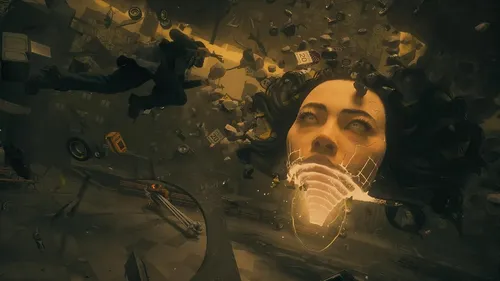
Visually, the game’s “grim fantasy” setting is filtered through a metal album cover sensibility. Expect gothic architecture, grotesque enemy designs inspired by mythical and demonic iconography, and a color palette dominated by deep crimsons, stark blacks, and sickly pallors. The world itself may feel like a living monument to a fallen, blasphemous kingdom, with visuals that tell a story of decay, power, and defiance. This creates a cohesive sensory package where the art, music, and gameplay all reinforce the same core theme: a brutal, beautiful, and loud struggle against overwhelming darkness.
Market Positioning and Genre Evolution
Crimson Moon arrives at a time when the Soulslike genre is both saturated and evolving. From straightforward homages like Lords of the Fallen to innovative genre-blends like Remnant II, developers are seeking new angles. Crimson Moon’s explicit pitch—”Doom meets Dark Souls”—is a masterstroke of clear marketing that instantly communicates its unique value proposition to its target audience. It doesn’t aim to dethrone Elden Ring or out-Doom id Software; instead, it carves a niche at their intersection, appealing directly to players who enjoy the punishing world-building of Souls games but sometimes crave a more empowered, adrenaline-fueled power fantasy.
Challenges of Balancing Dual Inspirations
The greatest challenge facing Crimson Moon’s development will be achieving a harmonious balance between its dual inspirations. If the Doom elements are too dominant, the careful environmental tension and consequence of the Souls formula could be lost, reducing the world to a mere combat arena. Conversely, if the Souls mechanics are too restrictive, they could stifle the fluid, aggressive gameplay the Doom side promises. The key will be in systems design: creating a stamina or resource economy that rewards aggression rather than punishing it, and designing enemies and bosses that are vulnerable to relentless assault but still require pattern recognition and tactical thinking.
The Importance of Pacing and Progression
Pacing will be another critical factor. A Souls game is often a slow burn, a gradual unveiling of a world and mastery of its systems. Doom is an explosive, immediate onslaught. Crimson Moon must find a rhythm that allows for both. This could involve structuring the game into distinct phases: tense, exploratory segments in new areas that build atmosphere, culminating in climactic arena battles or boss fights where the metal soundtrack swells and the combat shifts into high gear. The progression system must also reflect this hybrid, offering players tools and upgrades that enhance both their strategic options and their offensive capabilities.
Anticipation and Legacy Potential
While details remain sparse, the strong initial impression from its State of Play reveal is a testament to the potency of its core idea. Crimson Moon has successfully generated buzz by promising a specific, visceral experience. Its success will hinge on execution—whether it can deliver on the nuanced blend it promises and create a game that feels cohesive rather than contradictory. If it succeeds, it could pioneer a new sub-genre: the aggressive, metal-infused co-op Soulslike, inspiring other developers to experiment with similarly bold fusions.
The true test will be in the feel of the combat, the depth of the world, and the integration of its soundtrack. For players who have ever imagined charging through the decrepit halls of Lordran with a chainsaw guitar roaring in the background, or facing down the Icon of Sin with a zweihander in hand, Crimson Moon represents a compelling fantasy. It is a game that understands its audience’s desires not just for challenge, but for catharsis; not just for exploration, but for exhilaration. In a landscape of iterative sequels and safe bets, its attempt to weld together two classic formulas with a distinct audio-visual identity is a risk, but one that could resonate powerfully with those waiting for a Soulslike that truly rocks.