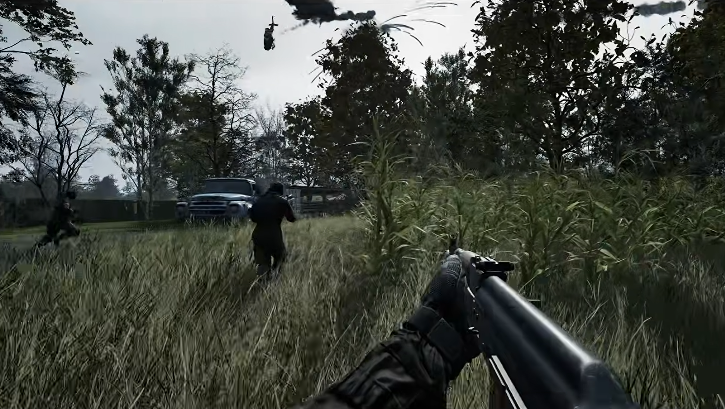
Electronic Arts has initiated layoffs across multiple Battlefield Development Studios Following Player Count Decline”>development studios working on its flagship military shooter, Battlefield 6. The job cuts impact an undisclosed number of employees at Criterion, DICE, Ripple Effect, and Motive Studio, all of which are involved in the game’s production and ongoing live service support. This workforce reduction, described by the company as part of a broader “realignment,” occurs despite the title achieving the most successful commercial launch in the franchise’s history.
Strategic Realignment Hits Core Battlefield Teams
According to reports from IGN, the layoffs are not isolated to a single team but represent a strategic reshuffling of resources dedicated to the Battlefield franchise. Employees were reportedly informed that the cuts are part of an effort to streamline operations and better align the development studios working on the game. Despite the reduction in staff, EA has stated that all four studios will continue to operate, and development on Battlefield 6, including its planned seasonal content and live service roadmap, remains ongoing.
The company has not publicly confirmed the exact number of positions eliminated or specified which departments were most affected. The lack of detailed communication has left many industry observers questioning the long-term strategy behind the move, particularly given the game’s initial financial success. This restructuring follows a broader industry trend of consolidation and cost-cutting measures, even for projects that appear successful on the surface.
The Paradox of Record Sales and Post-Launch Struggles
Battlefield 6 launched in 2025 to unprecedented commercial success, selling over 7 million copies in its first three days and becoming the best-selling game of the year in the United States. This performance shattered previous franchise records and seemed to signal a triumphant return for the series. The game’s launch was bolstered by significant marketing campaigns and generally positive initial reviews from critics, who praised its scale and visual fidelity.
Community Feedback and Declining Player Sentiment
However, the months following launch have painted a more complex picture. The game’s live service model, which relies on regular content updates to maintain player engagement, has faced significant criticism from its community. Players have voiced concerns over various post-launch patches, citing issues with map sizes, changes to core movement mechanics, and the overall direction of balance updates. This growing discontent has been reflected in the game’s user review scores on platforms like Steam.
Initially receiving “Very Positive” reviews, Battlefield 6’s aggregate user rating on Steam has since fallen to “Mixed.” This decline in community sentiment represents a critical challenge for EA, as player retention is essential for the long-term profitability of a live service title. In a direct response to this feedback, the development teams announced a delay for the start of Season 2, explicitly stating the need to address community concerns before releasing new content.
Analyzing the Player Count Decline
The data on active players provides a stark metric for the game’s changing fortunes. At launch, Battlefield 6 peaked at an impressive 747,440 concurrent players on Steam alone. This figure demonstrated massive initial interest and a robust player base eager to experience the new title. However, recent statistics show a substantial drop, with the peak concurrent player count in the past week recorded at approximately 67,000.
While a post-launch decline in player numbers is typical for most games, the scale of this drop is notable. It suggests that while the game succeeded in attracting a vast audience at release, it has struggled to maintain that engagement over time. The concurrent challenges faced by the free-to-play battle royale spin-off, Redsec, which currently holds “Mostly Negative” recent reviews on Steam, indicate broader difficulties within the Battlefield ecosystem’s ability to satisfy its player base across different game modes.
The Financial Calculus Behind the Layoffs
Industry analysts suggest that the layoffs, juxtaposed against the game’s strong sales, point to a strategic financial decision likely driven by shareholder pressure and a focus on operating margins. The video game industry has seen widespread job cuts over the past year, even at companies reporting profits, as publishers seek to maximize efficiency and reassure investors. The initial sales revenue from Battlefield 6 may have been substantial, but the cost of maintaining four large studios for ongoing live service development is exceptionally high.
By reducing headcount after the core development phase is complete, EA may be attempting to transition the game’s support to a smaller, more cost-effective team. This model is common in live service operations, where a large team is needed for the initial creation and launch, but a leaner team can manage subsequent seasonal content and maintenance. However, executing this transition while the game is under intense scrutiny for its post-launch content quality is a significant risk.
The Impact on Franchise Development and Morale
The layoffs across multiple studios raise questions about the future development pipeline for the Battlefield franchise. Criterion, known for its work on the Need for Speed series and vehicle handling in Battlefield, DICE, the historic core developer, Ripple Effect (formerly DICE LA), and Motive Studio, which joined the project to bolster development, now all face internal disruption. Losing experienced developers can impact institutional knowledge and slow the pace of future updates, potentially exacerbating the very player retention issues the company needs to solve.
Beyond the practical development impacts, such layoffs can severely damage morale within the remaining teams. Developers who survive cuts often face increased workloads, uncertainty about job security, and the emotional toll of seeing colleagues depart. This environment can hinder creativity and productivity, which are crucial for turning around a game’s post-launch reputation. The success of live service games depends heavily on the passion and sustained effort of their development teams, making employee morale a critical, if intangible, asset.
Broader Industry Context and Precedent
EA’s move is not an isolated incident but part of a larger, troubling pattern within the AAA games industry. Numerous major publishers have conducted similar layoffs following game launches, often framing them as necessary restructurings or strategic pivots. This pattern suggests a business model where large teams are assembled for multi-year development cycles and then partially disbanded after launch, regardless of the game’s commercial performance. This approach creates immense instability for game developers, whose careers become subject to the cyclical nature of project-based work.
The situation with Battlefield 6 also highlights the immense pressure and high stakes of the live service model. A game is no longer a product that ships and is finished; it is a persistent platform that requires constant investment. When player counts and sentiment dip, publishers face a difficult choice: double down on investment to win players back, or reduce costs and manage the title for its remaining dedicated audience. EA’s current actions suggest a move toward the latter strategy, aiming to stabilize the game’s performance with a more sustainable cost structure.
Looking Ahead: The Future of Battlefield 6
The immediate future of Battlefield 6 hinges on the upcoming Season 2 content drop. The delay, while frustrating for players, was a necessary acknowledgment of the community’s feedback. The quality and reception of this season will be a major test for the restructured development teams. It must demonstrate that the game can evolve in a direction that satisfies its core audience while potentially attracting lapsed players. The content needs to address the specific gameplay complaints about map design and movement, while also introducing compelling new features to rejuvenate interest.

Furthermore, the performance of Redsec will be closely watched. As a free-to-play entry point to the universe, it is designed to attract a broad audience and feed players into the premium Battlefield 6 experience. If its reputation cannot be improved, it fails in one of its key strategic roles. EA may need to consider more radical interventions for Redsec, such as a major overhaul or rebrand, to ensure the entire Battlefield portfolio is healthy.
The layoffs at Electronic Arts reveal the complex and often harsh realities of modern AAA game development, where record-breaking sales do not guarantee job security or smooth sailing. The story of Battlefield 6 is now a dual narrative: one of spectacular launch success and another of post-launch turbulence leading to corporate restructuring. The coming months will determine whether this realignment stabilizes the game for a long service life or marks the beginning of a managed decline. For the developers who built it and the millions who bought it, the hope is that the focus now shifts squarely to delivering the quality and consistency that the Battlefield community deserves, proving that the franchise’s foundational strengths can overcome its current challenges.