Songyee Yoon possesses a unique lens on the convergence of artificial intelligence and video game development. With a PhD in computational neuroscience from MIT and a 15-year tenure at NCSoft—where she rose to President and CSO—she helped pioneer AI integration within one of Korea’s premier gaming studios. Now, as founder of the venture capital firm Principal Venture Partners (PVP), she invests in AI-native startups while reflecting on the technology’s transformative role and its broader societal implications. This article explores her philosophy on AI’s practical application, its indispensable role in modern game development, and her cautious perspective on the current investment bubble, drawing directly from her recent insights.
From Skepticism to Essential Tool: AI’s Entry into Gaming
When Songyee Yoon first proposed using AI at NCSoft, she was met with skepticism. Her vision of leveraging player data logs, login patterns, and interaction metrics to predict churn and improve retention was initially dismissed as a misunderstanding of the gaming industry. However, her background in AI and data science allowed her to see the potential clearly. Today, she notes that AI is so ingrained in development that it’s impossible to think of creating games without it. The early use cases, like churn prediction, proved immensely valuable, transforming from a “crazy” idea into a foundational business practice.
Ubiquitous Application: Where AI Touches Every Corner of NCSoft
Yoon emphasizes that within NCSoft, the application of AI became pervasive. The company encouraged even daycare nursery teachers to learn Python, providing them platforms to analyze how children interacted with content. HR professionals were trained, and an HR bot was implemented well before ChatGPT’s rise. From marketing trend prediction and monetization strategies to virtual goods packaging, NPC dialogue, adaptive NPC interactions, animation support, interactive music, and lighting, AI became integral. Her statement, “I think it’s easier to say where it’s not used,” underscores the technology’s total penetration into operational and creative processes.
Throne and Liberty: A Legacy Evolved with AI
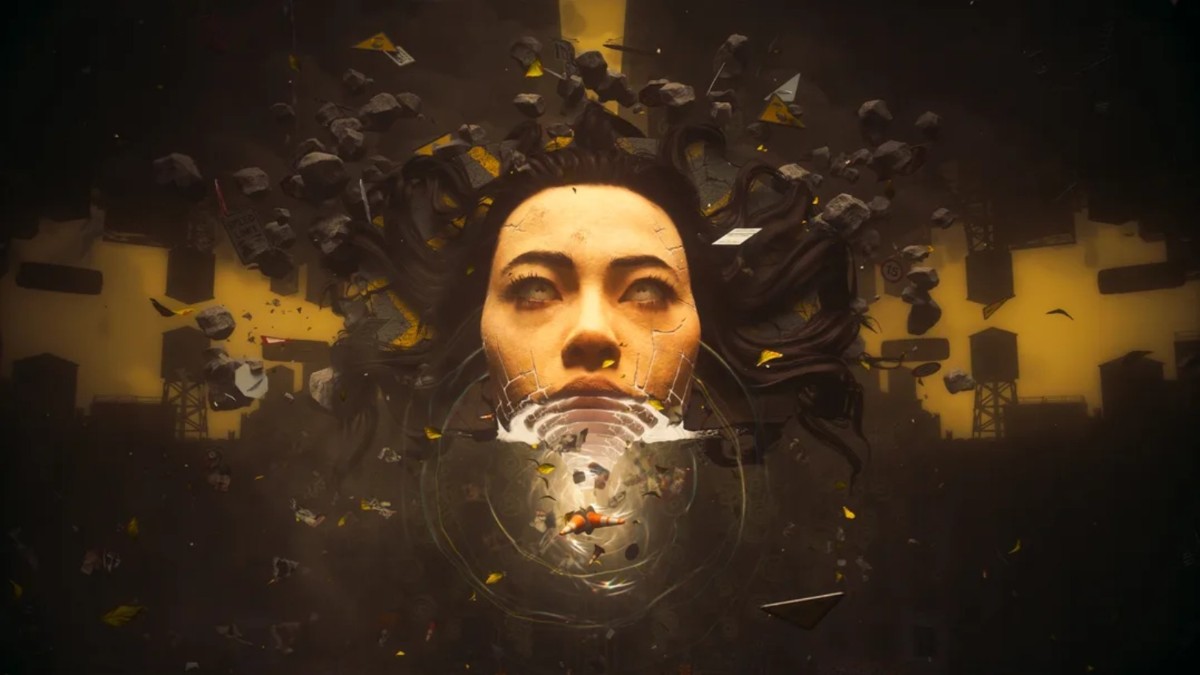
NCSoft’s latest entries, like Throne and Liberty within the long-running Lineage series, benefit from this deep integration. While specific AI implementations in the title aren’t detailed, the studio’s overall approach suggests that such projects leverage AI across development, from data-driven design decisions to enhancing player experience systems.
Leaving to Build AI-Native: The Founding of PVP
Yoon’s decision to leave NCSoft and establish PVP stemmed from her belief in a pivotal shift. After 30 years in AI, she sees technology, data availability, and talent now aligning to enable truly AI-native companies. She draws a parallel to digital-native companies that emerged post-broadband, distinct from firms undergoing digital transformation. AI-native companies, she argues, will fully embrace the modern AI tech stack to create unprecedented value and competitiveness, a opportunity unavailable two decades ago.

Recognizing the Bubble and Seeking Timeless Investments
Yoon acknowledges the current AI investment climate as a bubble, driven by a platform shift and intense demand to fund the “next winners.” The mismatch between the vast number of aspiring companies and the limited number of potential generational winners creates this condition. She warns of marketing hype overshadowing the building of enduring value. To navigate this, PVP focuses on timeless investment thesis areas: companies that can survive the noise.
Infrastructure and Data-Rich Verticals
PVP invests in infrastructure providers like Hyperbolic and Lambda, which supply essential tools for AI builders. Another focus is industries with vast unstructured data—insurance, accounting, legal, healthcare—where AI can unearth insights invisible to human analysis, creating a compounding data advantage and a competitive moat.
Solving Real Problems: Beyond AI as a Solution in Search of a Problem
Yoon addresses criticism that AI often offers solutions without genuine problems. She likens it to launching games that shut down due to lack of users. Utility and value are paramount, regardless of technology. Her first business application—building a superior credit-scoring model for a bank by manually transporting data tapes—illustrates the core principle: with data-understanding talent and technology, AI can solve concrete, valuable problems.
The Creative Dilemma: AI-Generated Content and Human Artistry
The use of AI for creative outputs like images and voices raises concerns about displacing human art. Yoon predicts the internet will soon be flooded with AI-generated content. However, she believes the human artistry lies in curation, selection, and orchestration of these tools to produce work that resonates. She strongly advocates for respecting human creativity, IP rights, and ensuring artists are protected, suggesting legal protections are necessary. Human creativity, she argues, cannot be fully replaced, as it is the source for future AI training data.
The Arc Raiders Example: A Microcosm of Attitudes
The reaction to Arc Raiders—where AI-generated voices faced pushback, but machine learning for enemy behavior was more accepted—highlights a nuanced public perception. Yoon sees AI as a tool that maximizes human creativity, akin to using Adobe over pen and paper. Transparency about its use and respect for IP are key, leaving the final choice of acceptance to players and users.
Gaming as the Innovation Laboratory for AI
Yoon affirms that gaming has consistently been at the forefront of innovation, from virtual goods business models to community gamification. It acts as a laboratory for new technologies, testing them with a large audience. She expects this trend to continue with AI, meaning developments and societal reactions within the games industry will likely prefigure broader adoption and debates in other sectors.
Ethics, Transparency, and the Future of AI Training
On ethics, Yoon stresses transparency as critical. She compares it to ingredient labeling in the food industry, which protects consumers without hindering innovation. AI, with its inherent limitations and biases, requires clarity on “how the sausage was made” to ensure consumer protection and a sustainable future. She believes regulations can coexist with competition and innovation, providing a necessary framework for responsible development.
Songyee Yoon’s journey from NCSoft president to AI venture capitalist encapsulates a pragmatic yet forward-looking view of artificial intelligence. She champions its power to solve real-world problems and drive efficiency while fervently advocating for the protection of human creativity and ethical transparency. As gaming continues to serve as the testing ground for AI’s integration into creative and commercial spheres, her insights underscore a balanced path: embracing the tool’s potential while meticulously guarding the human values at its core. The industry’s evolution will likely mirror this dual focus on technological advancement and responsible stewardship.