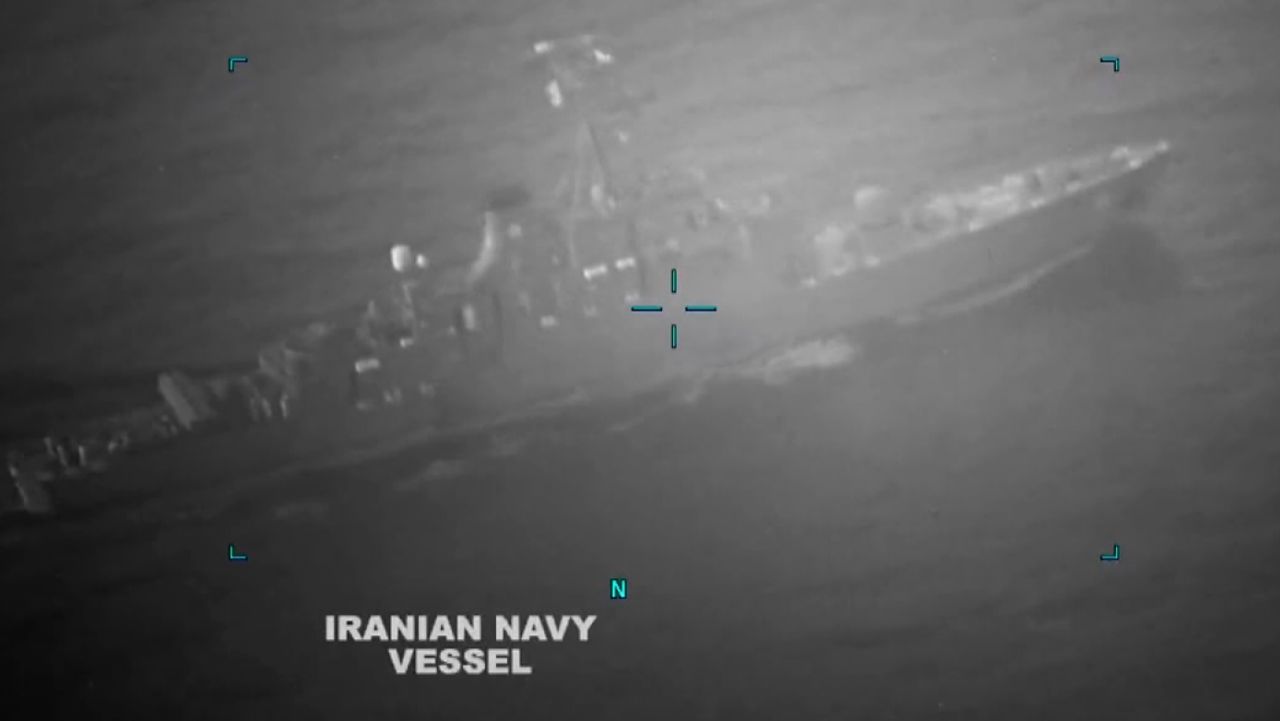
In the deep waters off the coast of Sri Lanka, a maritime event of profound strategic significance unfolded with a sudden, violent finality. An Iranian cargo vessel, steaming through international shipping lanes, was struck and sunk by what naval analysts confirm was a torpedo attack. This incident, the first confirmed sinking of a surface ship by submarine-launched torpedo in nearly three decades, has sent shockwaves through global security circles and triggered intense scrutiny of Washington’s naval tactics and the broader return of undersea warfare as a primary instrument of state power.
The Attack: Anatomy of a Maritime Ambush
The vessel, identified as a commercial cargo ship with links to Iranian state-controlled shipping interests, was transiting a critical corridor in the Indian Ocean. According to maritime tracking data and intelligence reports, the attack occurred without warning. There was no preceding surface engagement, no aerial bombardment. The ship’s crew reported a massive explosion along the hull before the vessel began taking on water rapidly. Survivor accounts and forensic analysis of debris point conclusively to a torpedo impact, a weapon whose use against surface ships had largely faded from modern conflict since the Falklands War.
A Return to Silent Warfare
The torpedo, a weapon synonymous with 20th-century naval combat, represents a particularly brutal and efficient form of engagement. Unlike missile attacks, which can be detected and sometimes intercepted, a modern torpedo is a stealthy killer. Launched from a submerged submarine, it leaves little signature until it detonates against its target’s hull, often breaking the ship’s back. The use of this weapon signifies a deliberate choice for deniability and shock. The attacking submarine never needed to surface, never needed to reveal its identity, disappearing into the ocean’s vastness after firing its payload.
Strategic Implications in the Indian Ocean
The location of the attack is as significant as the method. The waters off Sri Lanka are a strategic chokepoint in the Indian Ocean, a vital artery for global trade, particularly energy shipments from the Middle East to Asia. The presence of a hostile submarine capable of and willing to execute such an attack in these waters fundamentally alters the risk calculus for commercial shipping and naval forces alike. It signals that these sea lanes, long considered relatively secure beyond the threat of piracy, are now a potential theater for state-on-state covert naval warfare.
Scrutiny on Washington’s Naval Posture
While no nation has claimed responsibility for the strike, immediate suspicion fell upon the United States, given its vast submarine fleet and ongoing strategic competition with Iran. Analysts are dissecting Washington’s recent shift in naval doctrine, which has increasingly emphasized the role of attack submarines in executing long-range, covert missions to deter adversaries and control sea spaces. The incident raises urgent questions: Was this a deliberate escalation by the U.S. Navy, a message sent via kinetic action? Or was it the action of another regional power, such as Israel, which also operates advanced submarines and has a history of covert strikes against Iranian interests? The U.S. Navy’s silence has been deafening, offering neither confirmation nor denial, a posture that some interpret as tacit acknowledgment of its involvement.

The Resurgence of Submarine Warfare
This attack is not an isolated event but the most dramatic symptom of a broader global trend: the resurgence of submarine warfare. For years, naval strategists have warned that the underwater domain is becoming the new frontline of geopolitical competition. Nations from China and Russia to Australia and the United Kingdom are investing billions in new, quieter, and more capable submarines. These vessels are not just nuclear deterrents; they are multi-role platforms designed for intelligence gathering, special operations insertion, and, as demonstrated, anti-ship warfare.
Technology and Tactics of the Modern Undersea Fleet
The submarines of today are a quantum leap from their Cold War predecessors. Equipped with air-independent propulsion (AIP), they can remain submerged for weeks without surfacing. Their sensors can classify and track targets hundreds of miles away. Their weapons, like the torpedo suspected in this attack, are smarter, faster, and harder to decoy. This technological edge creates a dangerous environment where a single submarine can hold an entire carrier battle group or commercial convoy at risk, leveraging the ocean’s concealment to project power while remaining virtually invisible.
The Challenge of Attribution and Escalation
The inherent deniability of submarine warfare presents a unique and dangerous challenge to international stability. When a ship is sunk by a missile, radar and satellite imagery often point to a launch platform. A torpedo strike offers far fewer clues. This ambiguity lowers the threshold for using force, as actors may believe they can strike with impunity. However, miscalculation is a grave risk. An attack on a commercial vessel, even one with state links, could be misinterpreted as an act of war against the flag nation, triggering a cycle of escalation that is difficult to control.
Commercial Shipping in the Crosshairs
The targeting of a commercial cargo ship marks a dangerous blurring of lines between military and civilian maritime assets. For decades, international norms have largely protected commercial shipping from direct state-sponsored attack outside declared war zones. This incident shatters that norm. Shipping companies and insurance underwriters are now forced to reassess the risk profile of key ocean routes. Premiums for vessels transiting the Indian Ocean and other contested waters are likely to skyrocket, with costs ultimately passed on to global consumers.
Iran’s Response and Regional Tensions
Tehran has condemned the attack as an “act of piracy and terrorism” but has stopped short of publicly blaming the United States by name. This measured rhetoric suggests Iran’s leadership is weighing its response carefully. Retaliatory options are fraught. It could attempt asymmetric attacks on U.S. interests elsewhere, but direct naval confrontation with American forces would be suicidal. More likely, the event will accelerate Iran’s own naval investments, particularly in asymmetric capabilities like swarms of armed speedboats and more sophisticated naval mines, further complicating the security picture in the already volatile Persian Gulf and Strait of Hormuz.
The Future of Naval Conflict
The sinking off Sri Lanka is a stark portent of how future naval conflicts may be fought. The era of grand surface fleet battles may be giving way to an age of covert, undeclared underwater warfare, where sovereignty is challenged not by flags on ships but by silent predators in the deep. This paradigm favors nations with advanced submarine fleets and the willingness to use them for coercive diplomacy below the threshold of open war. For the U.S. and its allies, it reinforces the need to dominate the undersea domain through superior technology, persistent surveillance, and clear rules of engagement that deter such attacks without provoking wider conflict.
The echoes of the torpedo’s explosion have faded into the ocean’s depths, but their political and strategic reverberations will be felt for years to come. The world’s attention has been forcibly redirected beneath the waves, to a silent battlefield where the rules are unwritten, attribution is elusive, and the price of vigilance is eternal. For commercial captains, naval commanders, and national security planners, the message is unequivocal: the submarine, and its weapon of choice, the torpedo, is back, rewriting the rules of maritime power in the 21st century.