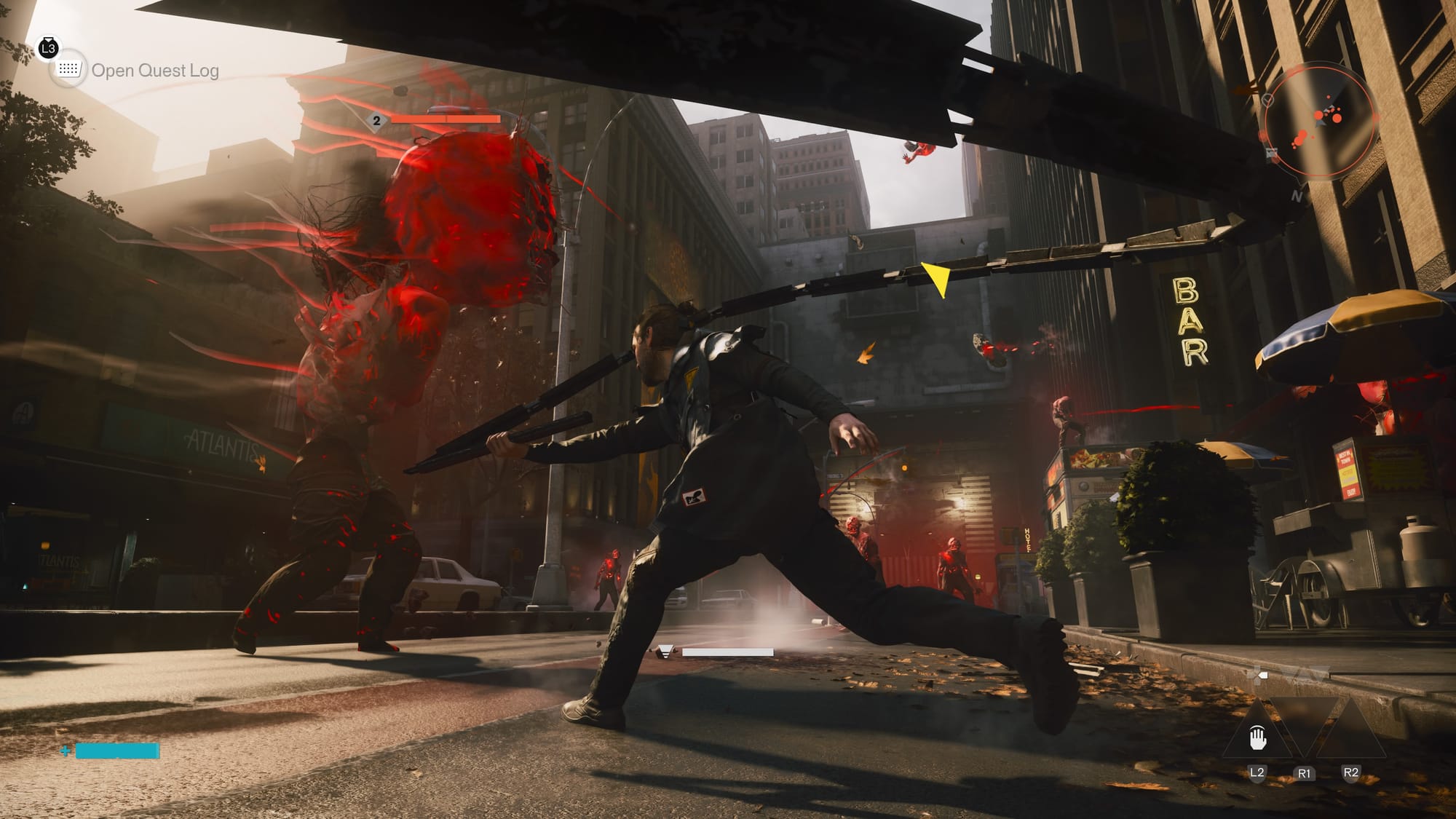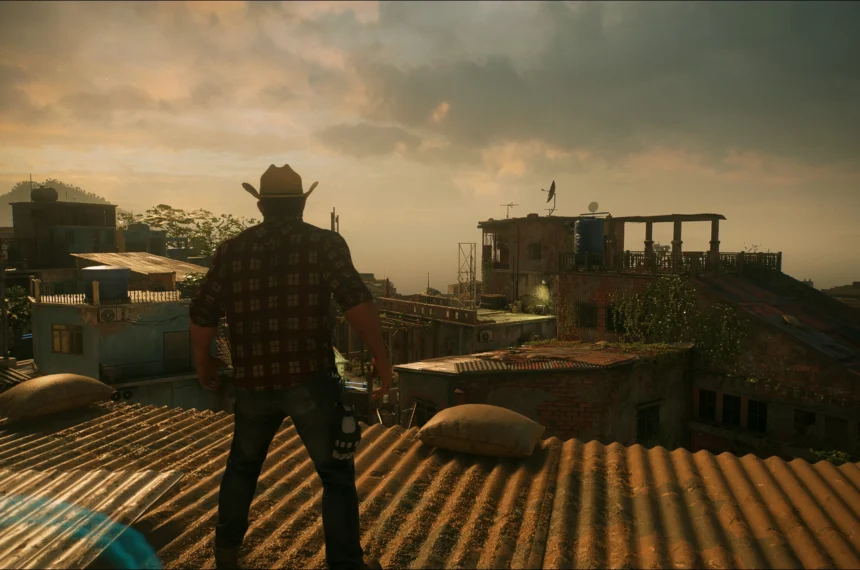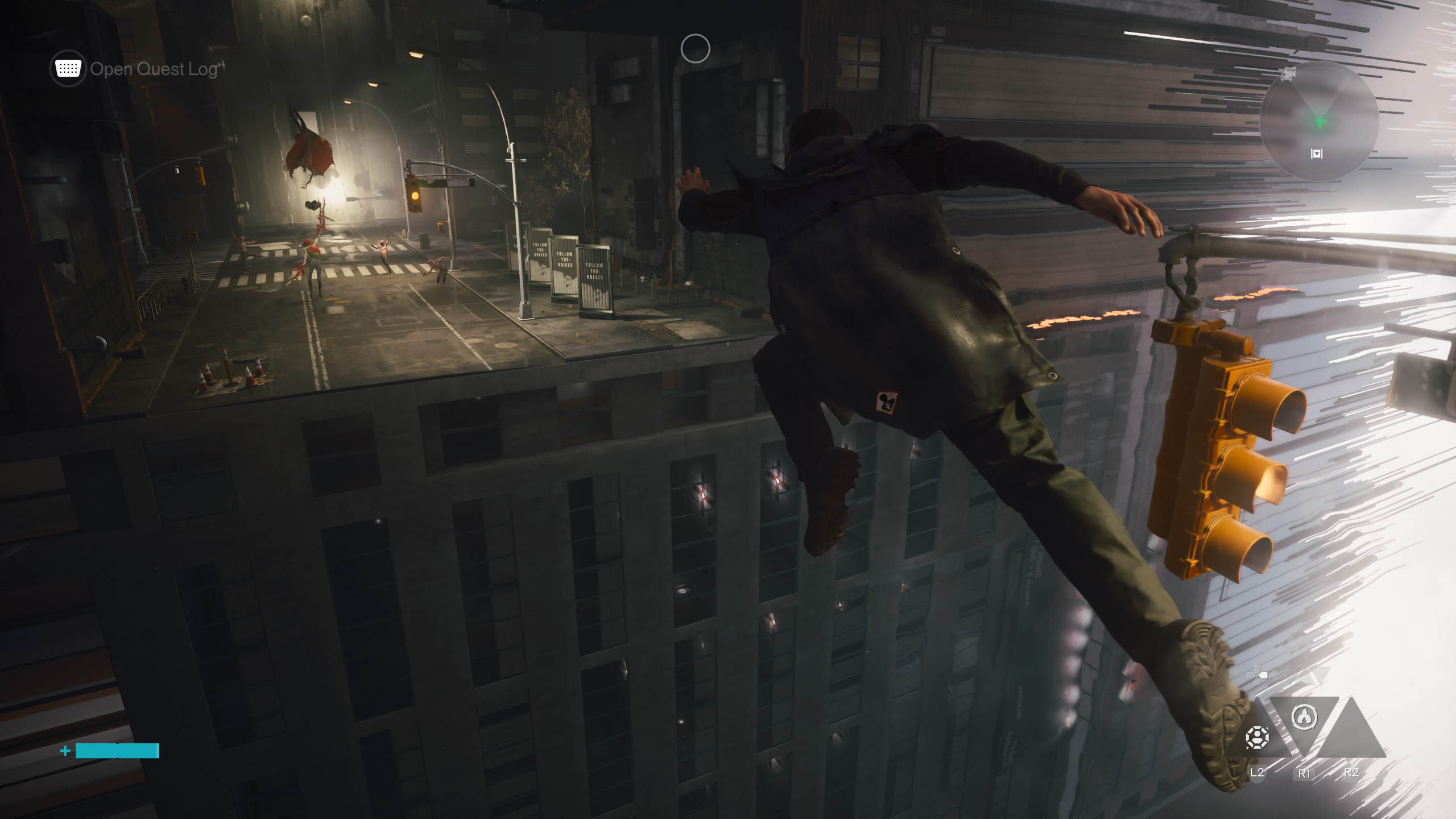
The world of Ghost of Yotei has dramatically expanded beyond its single-player origins with the release of the free Ghost of Yotei Legends update. This substantial content drop, version 1.200.000, fundamentally transforms the game by introducing a dedicated cooperative multiplayer mode, built from the ground up for team-based supernatural warfare. Available now on PlayStation 5 and PS5 Pro, the update delivers a complete parallel experience centered on mythic retellings of the game’s legendary conflicts, challenging players to band together against colossal, faction-leading bosses.
Mythic Retelling and Supernatural Warfare
Ghost of Yotei Legends operates as a narrative echo of the main campaign, set long after the original events. This framework allows developer Sucker Punch Productions to reimagine the legendary Yotei Six warlords not as historical figures, but as massive, supernatural entities of near-godlike power. These beings serve as the ultimate antagonists in this new mode, each commanding their own unique faction of themed enemies. The design philosophy shifts from the stealth and precision of the single-player game to emphasize coordinated, high-stakes team battles against overwhelming odds.
Each boss faction is meticulously crafted with a distinct visual and combat identity. For instance, serving a frost-themed warlord means facing warriors encased in glacial armor who wield freezing attacks, while a summoner-class boss might command minions that materialize from shadow. This faction system ensures that enemy abilities are not random but are direct extensions of the boss they serve, requiring teams to adapt their strategies for each unique threat. The world itself reflects this mythologized state, with environments warped by supernatural energy, creating battlefields that are as visually spectacular as they are deadly.
Four Distinct Classes and Deep Progression
The core of the Legends experience is built upon four meticulously designed character classes, each offering a unique combat role and playstyle. This class system provides the foundational structure for team composition and cooperative strategy.
The Samurai: The Unbreakable Frontline
Wielding the massive Odachi as their focus weapon, the Samurai is engineered to be the team’s anchor. This class excels at holding the line, drawing enemy aggression, and unleashing devastating, wide-arcing attacks that can control groups of foes. Their innate durability and ability to interrupt enemy attacks make them crucial for creating openings for their teammates. The Samurai’s tech tree allows for further specialization into pure defense, counter-attack prowess, or crowd control, letting players tailor the class to their preferred method of battlefield dominance.

The Archer: The Tactical Long-Range Specialist
Contrary to what the name might suggest, the Archer’s primary weapon is the Yari, a long spear that allows for precise, punishing strikes from a safer distance. This class focuses on tactical positioning, exploiting enemy weaknesses, and providing supporting fire. Archers can pin down dangerous targets, interrupt enemy spellcasting or powerful attacks, and efficiently eliminate priority threats like enemy archers or shamans before they can overwhelm the group. Their progression paths enhance their precision, debuff capabilities, or resource generation for the team.
The Mercenary: The Unrelenting Aggressor
For players who favor relentless, high-speed offense, the Mercenary offers a dual-katana wielding frenzy. This class is built for closing distance, applying constant pressure, and dealing sustained damage through rapid, flowing combos. Mercenaries thrive in the thick of combat, using their mobility and attack speed to flank enemies, break their guard, and capitalize on openings created by their allies. Their tech tree can augment their speed, critical hit potential, or add elemental effects to their flurry of blades.
The Shinobi: The Elusive Saboteur
Specializing in the Kusarigama—a chain-sickle weapon—the Shinobi is the master of misdirection, mobility, and single-target elimination. This class operates on the periphery of battle, using tools and abilities to debilitate enemies, apply damaging status effects like poison, and execute high-value targets with surgical precision. The Shinobi can disrupt enemy formations, rescue downed allies from a distance, and control the flow of engagement with traps and hit-and-run tactics. Their customization focuses on stealth, critical damage, and debilitating effects.
Beyond their signature weapons, each class has access to a suite of secondary arms and, more importantly, unique “quick-fire” abilities on cooldowns. These can range from defensive buffs and healing auras to offensive shouts and targeted debuffs, adding a layer of active team synergy beyond basic attacks. Each class features a dedicated, branching tech tree for progression, allowing for deep build customization through new abilities, passive perks, and gear synergies.
Structured Progression and Tiered Difficulty
Ghost of Yotei Legends is designed with clear, rewarding progression at its heart. The mode features four selectable difficulty tiers: Bronze, Silver, Gold, and Platinum. This tiered system is not merely a slider for enemy health and damage, but a structured pathway for player growth. Each difficulty recommends a specific gear level, guiding teams on when they are prepared for the next challenge.
The incentive to tackle harder content is significant. Higher difficulties dramatically increase the rate of experience gain, accelerating class progression through the tech tree. More crucially, they enhance the quality and quantity of loot dropped, including higher-tier weapons, armor, and the mode’s coveted supernatural cosmetics. This creates a compelling gameplay loop where teams improve their gear in Silver to survive Gold, farm Gold for Platinum-ready equipment, and test their ultimate builds against the pinnacle Platinum challenges.
Diverse Mission Architecture
The update provides multiple avenues for cooperative play, each with distinct objectives and rhythms.
Story Missions: Narrative-Driven Duos
Designed for two players, these missions are narrated by a traditional storyteller, unraveling the legends and lore behind each supernatural boss. They serve as an introduction to the factions and mechanics in a more structured, exploratory environment before culminating in a climactic battle.
Incursions: The Core Boss Raids
These are the flagship four-player missions, with one dedicated to each of the four launch bosses: The Spider, The Oni, The Kitsune, and The Snake. Teams invade the distorted domain of the warlord, fighting through their themed forces across a multi-stage arena before confronting the boss itself in a spectacular, multi-phase showdown that demands coordination, adaptability, and mastery of class roles.
Survival Mode: Wave-Based Defense
In this intense four-player mode, teams must defend three key areas on a map against endless waves of enemies. The strategic depth comes from managing the battlefield; holding areas activates powerful “blessings” like spawning spirit allies or triggering elemental attacks. Conversely, losing an area triggers a dangerous “curse” that hinders the team, adding a high-stakes risk/reward layer to the defensive gameplay.
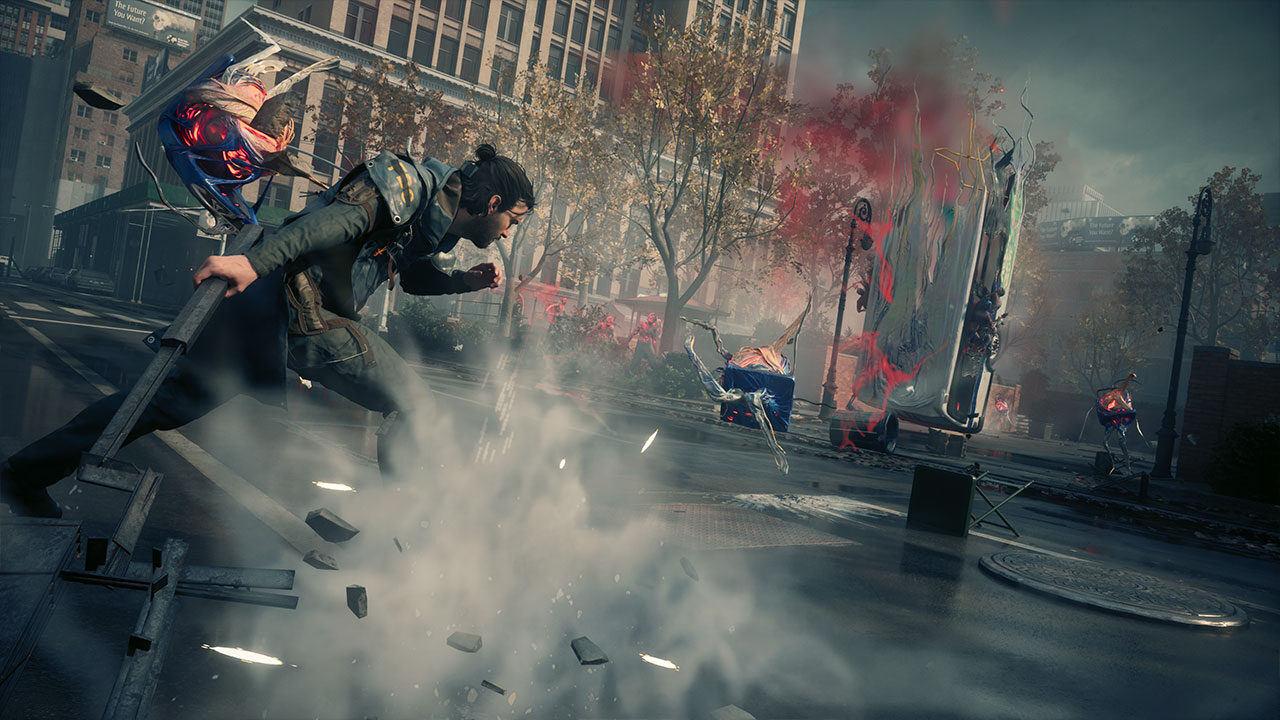
The Upcoming Raid: The Ultimate Test
Scheduled for release next month, the raid will present the final two members of the Yotei Six—The Dragon and Lord Saito—as the ultimate hardcore challenge. Promoted as content requiring peak coordination, communication, and optimized builds, the raid is designed for four-player teams who have mastered the other modes and seek the pinnacle of endgame content.
A Social Hub and Cosmetic Rewards
Replacing standard menus is an expansive, interactive lobby that serves as a social hub. Here, players can engage in mini-games like Zeni Hajiki (a coin-flicking challenge) or Bamboo Strike score attacks with small leaderboards. A full training area allows for practicing parries and testing new builds against dummies, while all gear management and tech tree adjustments can be performed seamlessly while waiting for teammates to assemble.
All rewards in Ghost of Yotei Legends are earned through gameplay. The update introduces a suite of fantasy-themed cosmetics that embrace the mode’s supernatural aesthetic. These include animated armor sets that shimmer with ethereal energy, helmets with unique particle effects, and weapon skins that appear forged from otherworldly materials. This provides a powerful and visible form of progression, allowing players to showcase their accomplishments and dedication.
The 1.200 update also addresses a number of stability and performance issues that some players encountered following the previous 1.100 patch, which had introduced New Game+, higher difficulty modes, and new trophies. This focus on technical refinement ensures the new multiplayer experience launches on a stable foundation. By weaving deep class-based combat, rewarding progression, varied co-op missions, and a rich social space into the fabric of its world, Ghost of Yotei Legends doesn’t just add a mode—it builds a sustainable, engaging endgame community that redefines what the game can be.