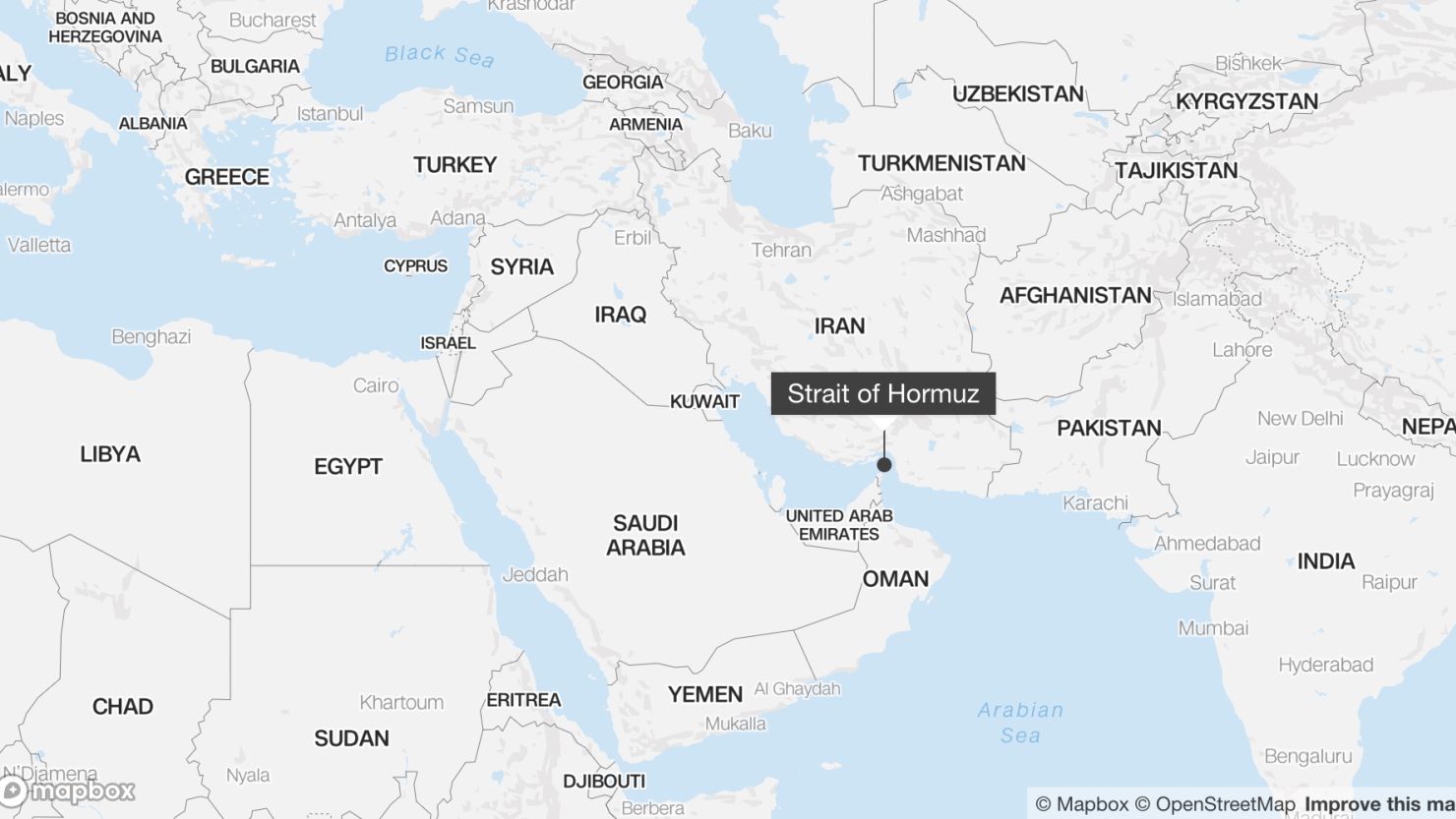
Global energy markets have entered a state of heightened uncertainty as the closure of the Strait of Hormuz, a maritime chokepoint responsible for roughly 21 million barrels of oil daily, extends into its third week. The unprecedented shutdown has frozen approximately one-fifth of the world’s seaborne oil trade, triggering a complex international response and sending shockwaves through global supply chains. While prices have retreated from initial panic-driven peaks, analysts warn the current stabilization is fragile and predicated on the assumption of a swift diplomatic resolution—an outcome that appears increasingly uncertain.
The Strategic Chokepoint at the Heart of Global Energy Security
The Strait of Hormuz, a narrow waterway between Oman and Iran, is not merely a shipping lane; it is the circulatory system for Middle Eastern crude. At its narrowest point, the strait is just 21 nautical miles wide, with navigable channels for tankers reduced to only two miles in either direction. This geography makes it inherently vulnerable to blockades, mining, or military action. The closure, initiated by regional actors citing unspecified security threats, has effectively bottled up exports from Saudi Arabia, Iraq, the United Arab Emirates, Kuwait, Qatar, and Iran itself. Land-based pipelines offer limited alternative capacity, incapable of compensating for the volume halted by sea.
Immediate Market Reaction and Strategic Reserve Releases
Initial news of the closure sent Brent crude futures soaring by over 40% in volatile trading. However, a coordinated announcement from the International Energy Agency (IEA) member countries to release 120 million barrels from their strategic petroleum reserves over the next 60 days has provided temporary relief. “The market is currently balancing on a knife’s edge,” noted Fatih Birol, the IEA’s Executive Director, in a press briefing. “The stock release is a vital stopgap, but it is not a solution. Global inventories cannot replace the flow from the Strait indefinitely.” The price stabilization reflects this temporary buffer, but forward curves show a steep premium for deliveries expected in three to six months, indicating deep-seated market anxiety about a prolonged disruption.
Diplomatic Maneuvering and the Coalition Challenge
The international response is being spearheaded by the United States, with former President Donald Trump confirming he is engaged in high-level talks to form a multinational coalition aimed at securing the waterway’s reopening. “We are talking to our friends in the region and around the world about putting together a coalition to ensure freedom of navigation,” Trump stated. “This is an attack on the economic security of every nation. We will open it up.” The statement, while assertive, underscores the diplomatic and military complexity of the situation. Forming and deploying such a coalition involves navigating sensitive regional politics, potential opposition from the actors enforcing the blockade, and the significant risk of escalation.
Regional Dynamics and Alternative Routes
The crisis has exposed the severe limitations of the world’s oil infrastructure redundancy. While Saudi Arabia can partially redirect some flows through its East-West Pipeline to the Red Sea port of Yanbu, and the UAE utilizes the Abu Dhabi Crude Oil Pipeline to the Gulf of Oman, their combined capacity falls short by millions of barrels per day. The situation is particularly acute for Qatar, a leading exporter of liquefied natural gas (LNG), whose entire seaborne energy exports transit the strait. This has sparked a secondary crisis in global gas markets, with European and Asian LNG prices hitting record highs and forcing industrial rationing in some countries.
Economic Ripples Beyond the Pump
The economic impact extends far beyond gasoline prices. The shipping and logistics industries face massive disruption, with hundreds of tankers trapped, rerouted around the Cape of Good Hope—adding weeks to journey times and millions in costs—or held at anchor. The cost of freight for all goods moving through the region has skyrocketed. Furthermore, the price of petrochemicals, the building blocks for plastics, fertilizers, and synthetic materials, has surged, threatening to reignite inflation in manufactured goods just as central banks were gaining control.
The Geopolitical Stakes and Risk of Miscalculation
Analysts point out that the strait’s closure represents the most significant test of global energy security since the 1970s oil embargoes. The situation creates a dangerous geopolitical standoff. Any military-led effort to force open the strait, even under a multilateral banner, risks a broader regional conflict that could damage critical coastal infrastructure like oil terminals and refineries, exacerbating the supply crisis. Conversely, a prolonged stalemate empowers the blocking actors and could permanently alter global perceptions of the security of Gulf energy supplies, accelerating investment away from fossil fuels but also towards potentially destabilizing energy nationalism.
Long-Term Implications for Energy Transition and Security
This crisis is likely to become a case study in the vulnerabilities of a globalized energy system. In the long term, it will force consuming nations to urgently reassess energy security strategies. This includes accelerated diversification of supply sources, greater investment in domestic production where feasible, and a stark reevaluation of strategic stockpile levels. Ironically, it may also provide a short-term political boost to hydrocarbon projects previously stalled on environmental grounds, even as it underscores the ultimate strategic imperative to transition to more distributed and resilient energy systems based on renewables and storage. The event is a brutal reminder that the path to energy transition will not be smooth and will be punctuated by geopolitical shocks.
As diplomatic channels hum with activity and naval forces reposition, the world holds its breath. The fragile price stability is a testament to the power of coordinated emergency action, but it is a temporary dam against a rising tide of uncertainty. The coming weeks will reveal whether diplomacy can unlock the strait or if the global economy must adapt to a new and more volatile era of energy scarcity, where the geography of a narrow waterway in the Middle East continues to hold disproportionate power over national economies and international stability.