In a final act of dedication to their player community, the remaining developers at Wildlight have released a substantial final update for their online shooter Highguard, just days before the game’s scheduled shutdown on March 12. The update, described as “beefy” by the studio, was assembled by a voluntary “skeleton crew” of developers who worked extended hours to deliver new content despite recent layoffs and the impending termination of the game’s servers.
The Final Push Before the Lights Go Out
When Wildlight announced last month that Highguard would be shutting down, the news was met with disappointment from the game’s dedicated, if niche, player base. The announcement cited unsustainable player counts and the financial realities of maintaining a live-service game. However, the studio also promised one last major content drop—a final send-off for the community. Few expected the scale of the commitment that followed, given the circumstances.
The development of this final patch occurred against a backdrop of significant studio turmoil. Following the shutdown announcement, Wildlight underwent a round of layoffs, reducing the team working on Highguard to a bare minimum. Those who remained were not mandated to create this update; instead, they chose to do so. In a brief statement, the team referred to themselves as a “skeleton crew” who had voluntarily “crunched”—a term in game development referring to periods of intense, unpaid overtime—to assemble and polish the new features in a remarkably short timeframe.
Contents of the Final Update
The update, now live for all players, is not a simple bug-fix patch but a meaningful injection of new gameplay systems and content. It aims to refresh the experience for veteran players and give newcomers a reason to jump in during the game’s final days.
Expanded Progression with New Skill Trees
The most significant addition is a comprehensive skill tree system. This introduces a new layer of character progression and customization that was absent from the game’s original design. Players can now earn experience through matches and allocate points across branching trees, unlocking passive bonuses, enhanced abilities for their chosen class, and new tactical options. This system provides a fresh grind and new builds to experiment with, fundamentally altering how players approach their chosen roles in the game’s team-based matches.

A New Weapon and a New Adversary
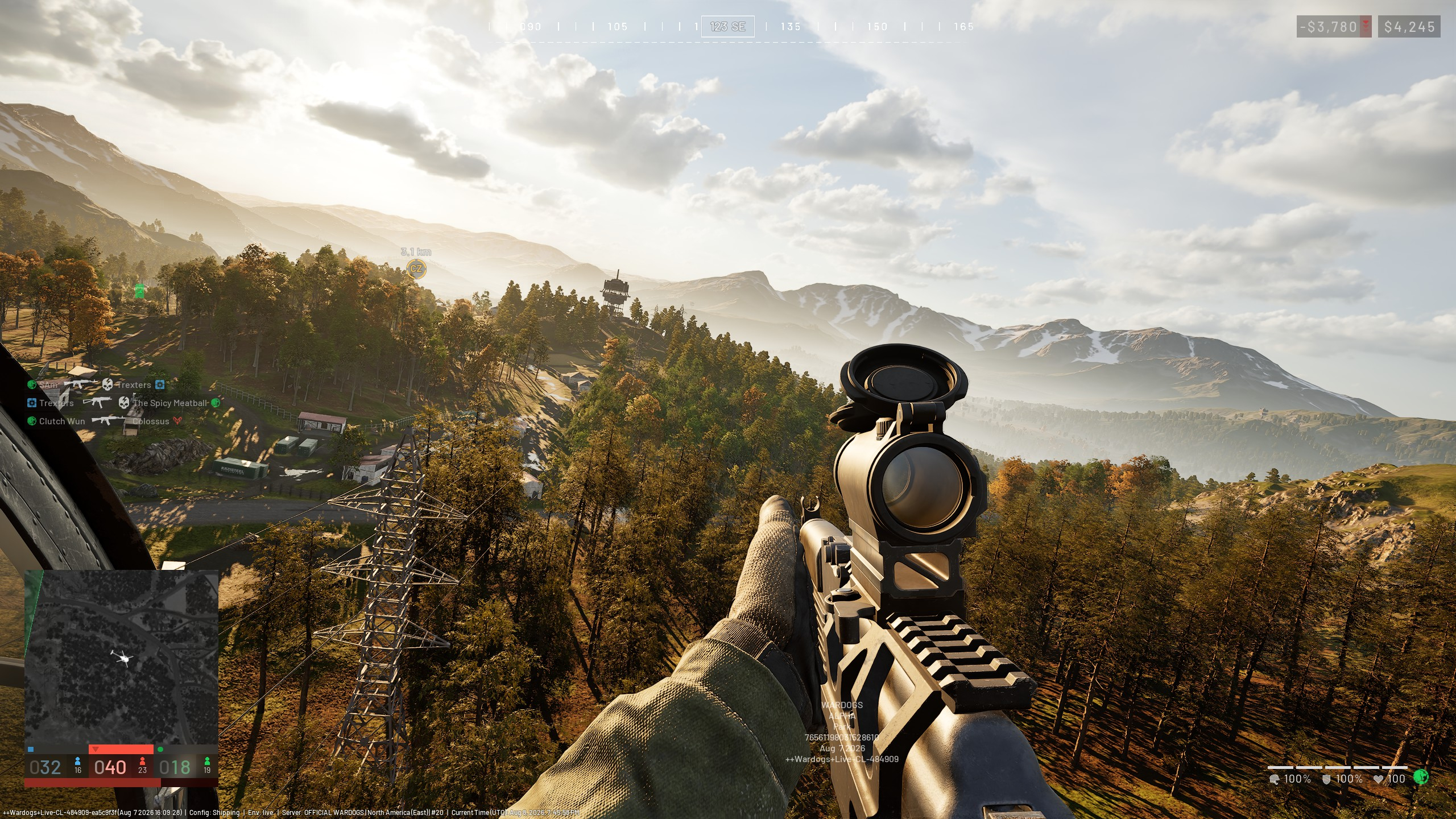
Alongside the progression overhaul, the update introduces a new primary weapon. Described in patch notes as a magnetic rail rifle, the weapon offers a unique charge-shot mechanic that rewards precision and timing, catering to a skilled marksman playstyle. It provides a new tool for players to master in the closing weeks of the game’s lifecycle.
Furthermore, the update adds a new Warden—the game’s term for powerful, boss-like enemy characters that appear in certain game modes. This new Warden, dubbed “The Gatekeeper,” features a unique moveset and arena mechanics, posing a fresh challenge for coordinated teams. Its inclusion ensures that even the most experienced players have new content to conquer before the servers go dark.
The Ethics and Reality of the “Crunch” Commitment
The team’s description of their work as a voluntary “crunch” has sparked conversation within the gaming community. The practice of crunch has been widely criticized in the industry for leading to developer burnout, health issues, and poor work-life balance. It is often a point of contention between management demands and developer welfare.
This instance presents a more nuanced scenario. This was not crunch mandated by management to meet an arbitrary corporate deadline or to ship a broken product. By all accounts, this was a self-directed effort by a passionate group of developers who wanted to honor their work and their community with a proper finale. The developers had already been laid off or reassigned; the ones who stayed behind to do this chose the workload. Their motivation appears to have been a sense of ownership and a desire to leave the project in a state they could be proud of, rather than letting it fade away with its last patch being a simple shutdown notification.
A Contrast to Standard Industry Practice
This stands in stark contrast to how many online games meet their end. Often referred to as being “sunsetted,” games frequently enter a maintenance mode long before shutdown, with no new content and only essential server upkeep. The announcement period becomes a slow bleed of players until the final day. Some studios even disable monetization but leave the game running in a static state. Wildlight’s approach, driven by this dedicated crew, is notably more active and generous. It treats the game’s closure not just as a business termination but as an event for the players who invested their time and money.
Community Reaction and the Final Countdown
The Highguard community has reacted with a mix of gratitude, sadness, and renewed vigor. Forums and social media are filled with players expressing thanks to the developers for their efforts. There is a palpable effort to make the most of the final days, with organized community events, “last stand” tournaments, and players rushing to unlock everything in the new skill trees before time runs out. The update has successfully reinvigorated the player base, leading to a noticeable spike in concurrent players—a bittersweet resurgence knowing it has a firm expiration date.
This final burst of activity creates a unique atmosphere. The typical pressures of ranked ladders and long-term metas have evaporated. Instead, the game has become a space for celebration, experimentation, and communal farewell. Players are more freely sharing strategies for the new Warden, grouping up to try the rail rifle, and documenting their final matches.
Legacy of a Project and Its Developers
The story of Highguard’s final update transcends the content itself. It becomes a case study in developer passion and project ownership. In an industry where developers are often siloed and disconnected from the final product due to corporate structures, this act represents a reclamation of agency. These developers, facing the end of their project, chose to define its final chapter on their own terms.
It also highlights a poignant reality of the live-service game model. Games are no longer static products shipped on a disc; they are ongoing services. Their endings are now managed events, not just the natural obsolescence of technology. How a studio manages that ending speaks volumes about its relationship with its players and its own staff. In this case, despite the business decision to shut down, the human element of the development team sought to create a positive, memorable conclusion.
What Happens After March 12
After the shutdown time on March 12, Highguard’s servers will be taken offline permanently. The game will be unplayable in its online form. The developers have not announced any plans for a private server tool or an offline mode, meaning this update truly is the final state of the game. Any progression, unlocks, or memories will exist only in screenshots, videos, and the accounts of the players who were there.
For the skeleton crew at Wildlight, their work is complete. They have delivered a finale that few expected. While the game itself will be gone, the narrative of its final days—a story of developers crunching not for profit, but for pride and community—will likely outlast the servers. It serves as a powerful reminder that behind every game, successful or not, are people who poured creativity and effort into its creation. Their final act for Highguard was to ensure it went out not with a whimper, but with a meaningful, content-rich bang, allowing players to remember the game at its best, right up until the very end.