Bungie’s highly anticipated extraction shooter Marathon has launched to a wave of negative user reviews on Metacritic, where it currently holds a 4.7 user score. The title, which released on PC, PlayStation 5, and Xbox Series X|S, finds itself mired in controversy primarily over its user interface design and gameplay longevity, despite achieving a top 10 spot on Steam’s best-sellers chart.
Critical Reception and the Metacritic Divide
The stark contrast between different review platforms presents a confusing picture for potential players. While the game maintains an “Extremely Positive” 90% rating on Steam and a 4.7 out of 5 on the PlayStation Store, its Metacritic user score tells a different story. This discrepancy highlights the growing divide between curated storefront reviews and aggregated critical platforms, where players often voice broader concerns about design philosophy and long-term engagement.
Analysis of the negative reviews on Metacritic reveals a consistent pattern of complaints. Users describe an interface that obscures crucial gameplay information, making basic navigation and understanding of game systems unnecessarily complex. This fundamental issue appears to be creating a significant barrier to entry for many players who expected Bungie’s signature polish and accessibility.
Delayed Critic Reviews and Content Strategy
Adding another layer to the launch narrative, Bungie has requested that professional critics and media outlets delay their full reviews until late March. The developer cited plans for additional content updates that would better represent the complete Marathon experience. This strategy, while not unprecedented for live-service games, has left the critical conversation largely in the hands of early adopters during the crucial launch window.
The decision to withhold review copies or request delayed coverage often signals developer confidence in post-launch improvements, but it also risks allowing negative user sentiment to solidify without the balancing perspective of professional analysis. For Marathon, this means the current public perception is being shaped almost entirely by player experiences with the base launch package.

Gameplay and UI Design Under Fire
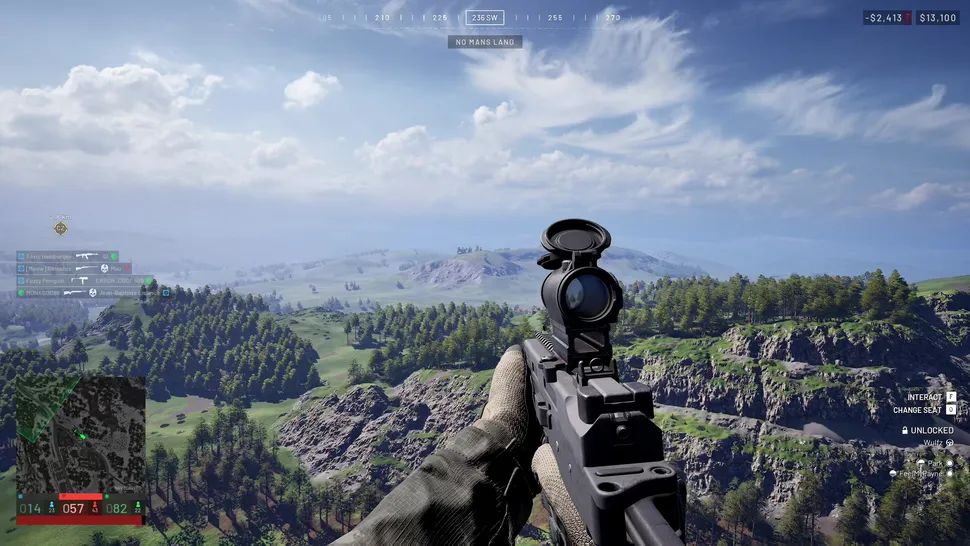
Drilling down into the specific criticisms, the user interface emerges as the primary pain point. Players report that menu systems are cluttered and unintuitive, inventory management is cumbersome, and in-game HUD elements fail to communicate information clearly during high-intensity extraction scenarios. In a genre where situational awareness and quick decision-making are paramount, these UI flaws directly impact the core gameplay loop.
The Extraction Shooter Fatigue Factor
Beyond interface issues, many reviews point to a more fundamental concern: gameplay longevity. Several users note that Marathon’s core loop becomes repetitive and “uninteresting” after just a few hours of play. This criticism hits particularly hard in the crowded extraction shooter market, where titles must offer compelling progression systems and engaging moment-to-moment gameplay to retain players against established competitors.
The feedback suggests that while Marathon may have solid shooting mechanics—a Bungie hallmark—it may lack the depth of systems or variety of content needed to sustain player interest over the long term. This is especially problematic for a game built on a live-service model that depends on consistent player engagement and retention.
Commercial Performance and Player Counts
Despite the critical backlash, Marathon has shown commercial viability by reaching the top 10 of Steam’s best-sellers chart. However, its concurrent player peak on Steam—reportedly below 100,000 users—has raised questions about whether it can achieve the mainstream success Sony and Bungie envisioned. For comparison, other major live-service launches in recent years have frequently surpassed several hundred thousand concurrent players at launch.
Industry Context and Expectations
The gaming industry has watched Marathon’s development with particular interest given Bungie’s pedigree with the Destiny franchise and Sony’s significant investment in live-service gaming. After the high-profile failure of PlayStation’s Concord, there was increased pressure on Marathon to demonstrate that Sony could successfully navigate the competitive live-service landscape. The mixed launch reception suggests this transition remains challenging even for experienced developers.
Industry analysts note that extraction shooters represent one of the most difficult genres to crack, requiring careful balancing of risk-reward mechanics, meaningful progression, and constant content updates. The genre’s pioneers have spent years refining their formulas, making it particularly challenging for new entrants to capture market share without significant innovation or polish.
Community Response and Developer Communication
The Marathon community has been vocal about both their criticisms and their hopes for the game’s future. On forums and social media, players are detailing specific UI pain points and suggesting improvements, while also acknowledging the solid foundation of gunplay and movement that Bungie has established. This suggests a player base that wants to like the game but feels frustrated by design decisions that hinder their enjoyment.
Comparison to Bungie’s Previous Launches
Longtime Bungie fans have noted that this rocky launch stands in contrast to the generally smoother releases of the Destiny franchise. While Destiny faced its own controversies at launch, particularly regarding content structure and storytelling, its core gameplay and user interface were widely praised from day one. The fact that Marathon’s most fundamental criticism centers on UI—typically a Bungie strength—has surprised many in the community.
This has led to speculation about development challenges, potential resource allocation issues between Marathon and Destiny 2, or whether the extraction shooter genre forced Bungie outside its comfort zone in ways that impacted foundational design elements.
The Road Ahead for Marathon
Bungie now faces the critical task of addressing player concerns while preparing for the late March content update that will trigger the full wave of professional reviews. The developer’s response in the coming weeks will be telling—whether they implement quick quality-of-life fixes for the UI, communicate a clear roadmap for improvements, or maintain their original vision despite player feedback.
Live-Service Adaptation and Evolution
The live-service model offers Marathon a potential path to redemption that wasn’t available to games in previous generations. Through regular updates and community-driven development, Bungie could theoretically transform the game over time, much as they did with the original Destiny. However, this requires retaining enough players to justify continued development investment—a challenge when initial reception has been mixed.
Successful live-service turnarounds in recent years have typically involved transparent communication, rapid response to criticism, and meaningful content updates that address core complaints. Whether Bungie can execute this with Marathon remains to be seen, but their track record with Destiny suggests they understand the live-service playbook.
Market Position and Genre Competition
Marathon enters an extraction shooter market that has become increasingly competitive and sophisticated. With established titles continuously evolving and new competitors regularly entering the space, Bungie’s game must find a way to differentiate itself beyond its developer pedigree. The current feedback suggests that refining the user experience and deepening the gameplay loop should be immediate priorities if Marathon hopes to carve out a sustainable niche.
The discrepancy between platform-specific ratings and aggregate scores also raises questions about review ecosystems in modern gaming. As storefronts like Steam and PlayStation Network allow immediate rating after purchase, while Metacritic collects more detailed critiques, developers must navigate multiple overlapping reception metrics that don’t always align.
As the gaming community waits for professional reviews and the promised March content update, Marathon stands at a crossroads familiar to many live-service games. The foundation appears to be there—solid gunplay, Bungie’s technical expertise, and commercial interest—but significant design hurdles must be overcome. The coming months will reveal whether this is a temporary stumble or a more fundamental mismatch between developer vision and player expectations in the demanding extraction shooter genre. For now, the 4.7 user score serves as a stark reminder that in today’s competitive market, even established developers face intense scrutiny from players who have countless alternatives at their fingertips.