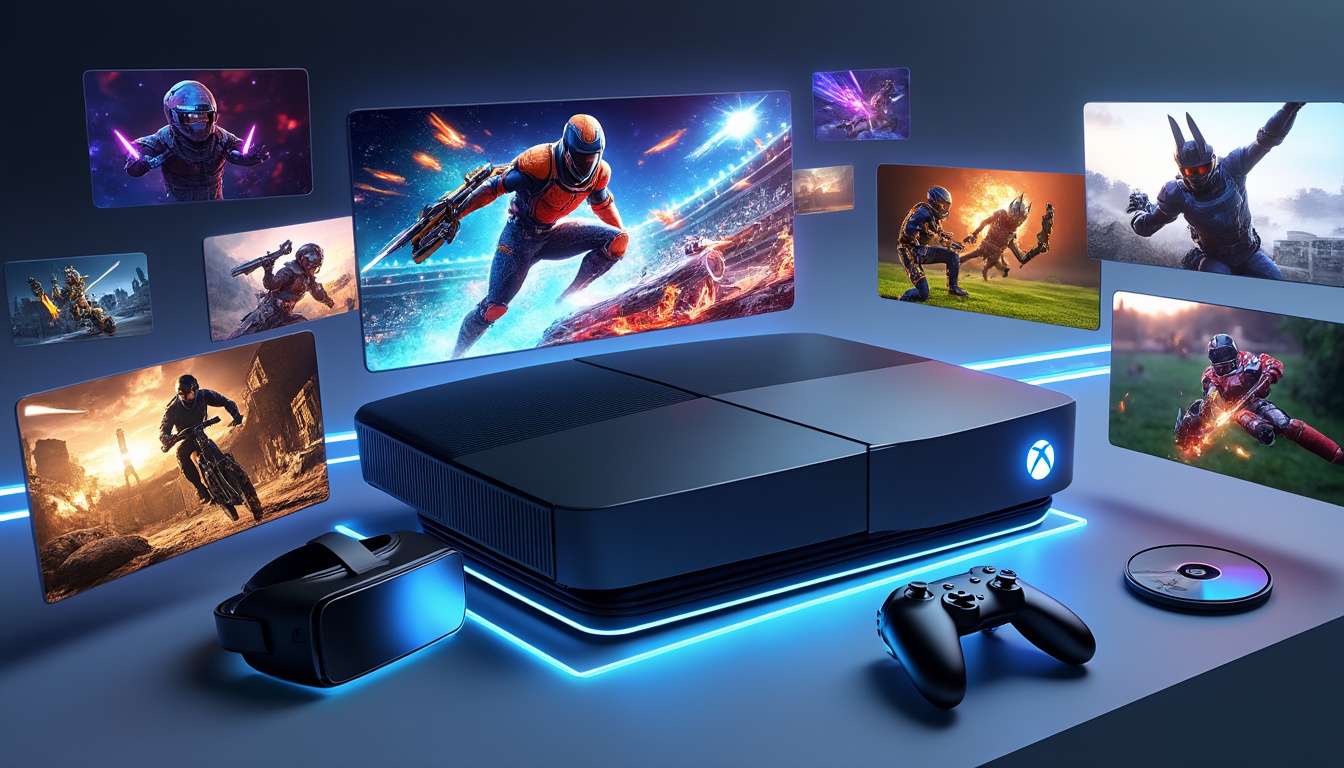
Microsoft’s upcoming Xbox Helix console represents what one prominent industry analyst calls the company’s final attempt to remain in the hardware business, with failure potentially signaling the end of Xbox as a physical console platform. This assessment comes amid declining hardware sales for the current Xbox Series generation and growing skepticism about Microsoft’s long-term commitment to traditional console manufacturing.
The Precarious Position of Xbox Hardware
Tech analyst Dr. Serkan Toto recently told GamesRadar that Microsoft has been “walking on thin ice” ever since adopting its ‘Everything is Xbox’ strategy, which emphasizes software and services over hardware. The current console market conditions are described as “really brutal” by industry observers, with Xbox Series consoles recording notably weak sales compared to competitors. This performance has fueled ongoing speculation that Microsoft might eventually exit the hardware market entirely.
The Xbox division’s struggles have been well-documented throughout the current generation. Despite strong game releases and the value proposition of Game Pass, Microsoft’s consoles have consistently lagged behind Sony’s PlayStation 5 in global sales. This disparity has led to increasing questions about whether Microsoft can justify continued investment in dedicated gaming hardware when its broader strategy focuses on software and cloud-based services.
Project Helix: A Hybrid Approach to Next-Generation Gaming
Xbox Helix, internally known as Project Helix, represents Microsoft’s attempt to redefine what a console can be in an increasingly platform-agnostic gaming landscape. The device is rumored to be a hybrid console that bridges traditional hardware with cloud gaming capabilities, potentially allowing for greater flexibility in how and where users access their games. Microsoft is expected to reveal key details about the console at the upcoming Game Developers Conference.
The Technical Specifications and Market Challenges
Early reports suggest Xbox Helix will be positioned as a premium device with substantially higher pricing than Sony’s anticipated PlayStation 6. This pricing strategy presents a significant challenge in a market where consumers have demonstrated price sensitivity, particularly during economic uncertainty. The hybrid nature of the device—combining local processing power with cloud streaming capabilities—represents both an innovation and a risk, as consumers may need convincing about the value proposition compared to traditional consoles.
Industry sources indicate that Xbox Helix must deliver a compelling reason for consumers to choose it over competing options, including not just traditional consoles but also emerging platforms like the rumored Steam Machine from Valve. The device’s success may hinge on its ability to offer superior native support for Xbox games alongside seamless integration with Microsoft’s broader gaming ecosystem.
The ‘Everything is Xbox’ Strategy and Its Implications
Microsoft’s strategic shift toward making Xbox a service rather than just a hardware platform has fundamentally altered the company’s relationship with traditional console manufacturing. The ‘Everything is Xbox’ approach sees Microsoft games appearing on multiple platforms, including PC and potentially competing consoles, while Game Pass subscriptions provide revenue independent of hardware sales.
Hardware as an Optional Component
This strategy has led some analysts to question whether dedicated Xbox hardware remains essential to Microsoft’s gaming ambitions. If consumers can access Xbox games through PC, mobile devices, or cloud streaming, the value proposition of purchasing an Xbox console diminishes. Xbox Helix appears to be Microsoft’s attempt to create hardware that enhances rather than restricts access to its gaming ecosystem, but whether this will resonate with consumers remains uncertain.
Asha Sharma, the new head of Xbox hardware, has reportedly shown significant enthusiasm for keeping Microsoft’s hardware business alive. However, internal support for continued hardware development may depend heavily on Helix’s market performance. Industry insiders suggest that failure to achieve meaningful market share with the new console could lead to a fundamental re-evaluation of Microsoft’s hardware commitments.
The Competitive Landscape and Emerging Threats
The console market is becoming increasingly competitive, with traditional players like Sony and Nintendo facing potential disruption from companies like Valve with its rumored Steam Machine. This device, expected to launch around the same time as next-generation consoles, could leverage Valve’s extensive PC gaming library and platform to create a compelling alternative to traditional consoles.
The Steam Machine Challenge
Analysts note that Xbox Helix must offer clear advantages over the Steam Machine to succeed. These could include exclusive games, superior integration with Microsoft services, or unique hardware capabilities not available on PC-based platforms. However, Valve’s established position in the PC gaming market and potential pricing advantages could make the Steam Machine a formidable competitor, particularly among gamers who value platform flexibility and backward compatibility.
Sony’s approach appears more conservative, with reports suggesting the company is limiting PC ports of PlayStation exclusives amid concerns about platform competition. This strategy contrasts sharply with Microsoft’s multiplatform approach and reflects differing assessments of how to maximize revenue and market position in an evolving industry.
Consumer Expectations and Market Realities
Consumer interest in next-generation consoles remains strong, but purchasing decisions are increasingly influenced by factors beyond raw technical specifications. Backward compatibility, subscription services, exclusive content, and ecosystem integration all play significant roles in how consumers choose between platforms. Xbox Helix will need to excel across multiple dimensions to overcome the momentum of established competitors and emerging alternatives.
The Pricing Dilemma
Perhaps the most significant challenge facing Xbox Helix is its rumored premium pricing. In a market where even successful consoles like PlayStation 5 faced criticism for price increases, introducing a significantly more expensive device requires exceptional value justification. Microsoft must convince consumers that the hybrid capabilities and unique features of Helix warrant the additional investment compared to more traditional alternatives.
The success or failure of this pricing strategy will likely determine not just Helix’s commercial performance but the future of Xbox hardware more broadly. Industry observers suggest that if consumers reject the premium pricing model, Microsoft may conclude that the console market no longer aligns with its strategic priorities.
The Broader Implications for the Gaming Industry
Microsoft’s potential exit from the console hardware business would represent a seismic shift in the gaming industry landscape. For decades, the console market has been dominated by a relatively stable set of competitors, with Microsoft joining as a major player in 2001. The departure of such a significant manufacturer would fundamentally alter competitive dynamics and potentially accelerate industry trends toward platform-agnostic gaming.
A Changing Hardware Ecosystem
Should Microsoft scale back or eliminate its hardware operations, the industry would likely see increased emphasis on third-party hardware running Xbox services. This could include partnerships with PC manufacturers, streaming device makers, or even collaborations with competing platform holders. Such a shift would represent the culmination of Microsoft’s software-first strategy but would also remove a major innovator and competitor from the dedicated console space.
The impact on game development would also be significant, as studios currently targeting Xbox hardware would need to adjust their strategies. While Microsoft would likely continue supporting game development for its ecosystem, the absence of dedicated hardware could influence technical requirements, game design approaches, and business models across the industry.
The Path Forward for Xbox and Microsoft Gaming
Despite the challenges, Microsoft retains significant advantages that could support Helix’s success. The company’s substantial financial resources, extensive gaming ecosystem, and established relationships with developers provide a foundation that few competitors can match. Additionally, the hybrid approach of Helix aligns with broader industry trends toward flexible gaming experiences that transcend specific hardware platforms.
Strategic Flexibility and Multiple Scenarios
Industry analysts suggest that Microsoft is likely preparing for multiple potential outcomes with Helix. Success could reinvigorate the company’s hardware business and establish a new category of gaming devices. Moderate performance might lead to a scaled-back hardware presence focused on niche markets or specific capabilities. Failure could trigger a complete exit from console manufacturing while maintaining Xbox as a software and services brand across other platforms.
This flexibility reflects Microsoft’s broader transformation under CEO Satya Nadella, who has emphasized adaptability and strategic pragmatism over rigid adherence to traditional business models. The gaming division’s approach appears consistent with this corporate philosophy, prioritizing ecosystem growth over hardware loyalty while remaining open to multiple paths forward.
The coming months will prove crucial for Microsoft’s gaming division as it prepares to introduce Xbox Helix to the market. Industry observers, competitors, and consumers alike will be watching closely to see whether this hybrid console can reverse declining hardware fortunes or whether it will represent Microsoft’s final attempt to compete in the traditional console space. The outcome will not only determine the future of Xbox hardware but could reshape the entire console gaming landscape for years to come, potentially marking the end of an era in which dedicated gaming devices from major platform holders dominated the industry. The decisions made today will echo through the next decade of interactive entertainment, influencing everything from game development to consumer access and industry business models.