The winds of change are unmistakably sweeping through the games industry, and as 2026 unfolds, one of its longest-running European institutions is making a definitive pivot. The Nordic Game conference, a cornerstone event for over two decades, is deliberately shifting its programmatic and philosophical center of gravity towards independent developers. This strategic realignment, framed by program director Jacob Riis as the “time of the indies,” is presented not merely as a celebration of small studios but as a necessary corrective to an industry climate where major publishers and “heavyweights” are increasingly viewed with skepticism. The move reflects a growing sentiment that the soul of gaming – creativity, artistry, and genuine player connection – is now being safeguarded and championed predominantly by the independent sector.
The Climate Criticism Driving the Shift
In articulating the rationale for Nordic Game’s new focus, Jacob Riis does not mince words, though he chooses them carefully. He reflects on the trajectory of large studios, acknowledging their historical role in growing the industry to its “current enormous proportions.” However, he expresses profound disappointment with the prevailing ethos among many major firms, particularly in the live-service sector, where the primary goal has become to generate as much profit as possible at all times. This focus, Riis argues, has created a market dynamic where a handful of conglomerates aim to dominate player attention exclusively. “They make sure that the majority of the gamers play their game non-stop. If they could decide, they would probably say they should only play my game. At least that’s how it feels,” he observes. This environment, he suggests, has left many players and veterans longing for a different past. “We kind of miss the old times, right? It’s not like everything has evolved into the best possible ecosystem,” Riis notes, speaking from his perspective as both a long-time industry professional and gamer.
Indie Games as the Creative and Commercial Counterpoint
The conference’s shift is not born of idealism alone; it is bolstered by compelling commercial data. Riis points to a powerful market reaction: a surge of player interest in independent titles. As evidence, he cites analysis from Video Game Insights showing that over the past year, four out of the top ten games by units sold on Steam were indie titles: Peak, REPO, Schedule I, and RV There Yet?. This trend underscores a key distinction Riis draws. For him, indies represent the “real beating heart of creativity” and “the new way of thinking.” This philosophy is defined not by aggressive monetization but by artistic intent and emotional impact. “It’s not about how much time you can spend on a product, it’s more like what kind of stamp it inflicted on your soul,” he explains. This focus on artistry over pure profit is the central tenet Nordic Game aims to champion in 2026, positioning indie developers as the essential innovators driving the industry forward.
Program Focus: Ingenuity Over Infrastructure
With this philosophical foundation, the 2026 Nordic Game speaker program is meticulously crafted to highlight creativity, collaboration, and sustainable success. While the practical reality of monetization is addressed, the emphasis is squarely on subtlety and player experience. Riis stresses a focus on how to monetize in the best, most subtle kind of way that actually improves the gameplay. The content skews away from traditional, metrics-heavy business talks and towards narratives of ingenuity and regional spirit.
Spotlighting the Nordic “Small Team, Big Impact” Model
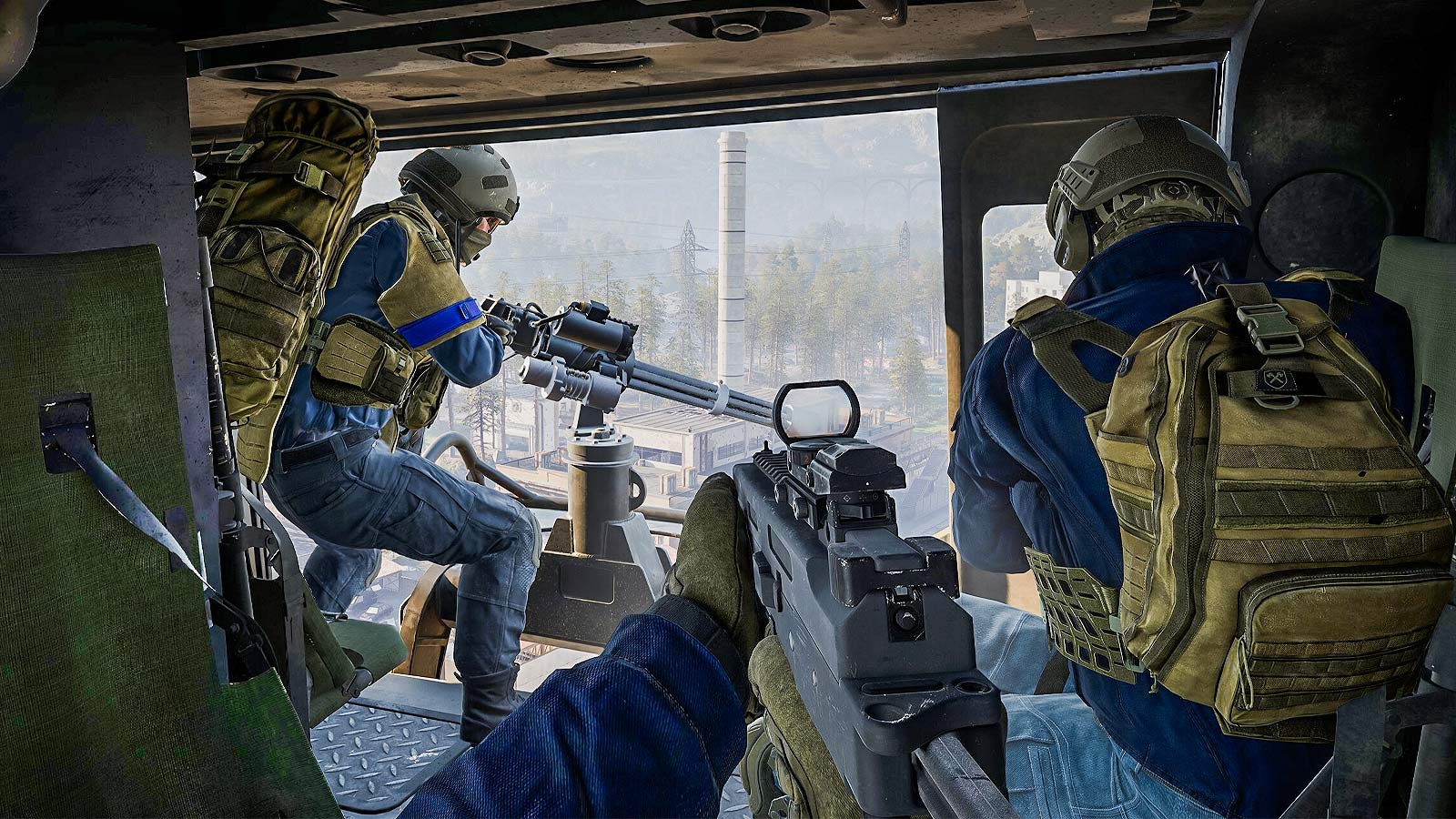
A significant portion of the program is dedicated to showcasing the distinct Nordic development philosophy, characterized by relatively small teams producing work that rivals or surpasses major AAA productions in quality. Riis highlights Arc Raiders from Embark Studios as a prime example, with product director Gerardo Basurto scheduled to speak. The session will delve into the compelling story of a small team ambitiously tackling a large-scale project, embodying the regional ethos. “It shows what I think the Nordic spirit is about: we don’t have to be the biggest, but we can compete, at least in terms of quality, to beat even the biggest [games],” says Riis. He draws parallels to other Nordic powerhouses like MachineGames, which discussed the nuanced geopolitical storytelling in Indiana Jones and the Great Circle at a previous event, and Neon Giant. These case studies reinforce the conference’s core message: profound impact is not exclusive to the largest budgets or workforces.
Evolving Ecosystem: Sponsor Independence and Rising Attendance
The changing focus of Nordic Game mirrors a broader evolution in the industry’s event landscape. Riis notes a significant shift in sponsorship patterns over the past decade. Where once major platform holders like Epic, Microsoft, and Sony were eager sponsors, their support has waned as they increasingly channel resources into their own dedicated showcase events. “When you grow that big that you can do a conference on your own products or your own services, why should you then pay money for some old guys in Sweden?” Riis remarks wryly. This withdrawal has led Nordic Game to forge partnerships with smaller businesses, a change Riis now views as a strategic strength. “I think it’s great that we are not forced to do stuff because we have this big sponsor. We can do what we want,” he states. This independence allows the event to remain uncompromised in its mission to focus on the grassroots, education, and networking essential for nurturing new talent in the Nordic region.
A Refuge in a Challenging Events Market
This clear, independent vision appears to be resonating in a challenging market for industry gatherings. Riis confirms that Nordic Game is experiencing a notable uptick in interest, with a 33% rise in ticket sales for the 2026 edition compared to the same point in previous years. He links this growth, in part, to difficulties faced by other major events, specifically referencing the steep attendance decline at the 2024 Game Developers Conference (GDC). That drop was broadly attributed to high costs and concerns over international travel safety due to geopolitical factors. In this context, Nordic Game’s manageable scale, focused content, and accessible location in Malmö, Sweden (scheduled for 26-29 May), are proving to be significant draws for a global audience seeking a more concentrated and collegial experience.
The International “Family Reunion” of Game Development
Despite its name and regional pride, Nordic Game has cultivated a powerfully international community. Riis estimates that only about 30% of attendees come from the Nordic countries themselves. Another 30% travel from key European markets like Germany and the UK, with the remaining 40% arriving from the United States, Asia, and elsewhere. This diverse congregation is bound by a shared appreciation for the event’s unique atmosphere. For many, attending each year feels like a “family reunion,” a sentiment Riis actively fosters. “Even if you’re not Nordic, you’re coming home to Nordic. And that is what we really try to focus on when producing the show,” he explains. This sense of belonging and shared purpose is the intangible glue that complements the program’s practical talks on development and business, creating an ecosystem where creative and commercial connections flourish organically.
As the 2026 edition approaches, Nordic Game stands as a testament to a maturing industry’s self-correction. By consciously elevating the independent developer, the conference is doing more than following a trend; it is asserting a values-driven alternative to a corporatized status quo. The event’s rising attendance, sponsor independence, and international community all signal a broad-based desire for this recalibration. The central narrative is clear: the future of compelling, artistically resonant games lies not in endlessly scaled live-service leviathans, but in the vibrant, risk-taking, and soul-stamping work emerging from independent studios worldwide, a heartbeat the Nordic Game conference is now committed to amplifying above all else.