Landfall Games, the indie studio renowned for its smash-hit physics climbing sensation Peak, has pivoted from scaling cliffs to bridging a different kind of gap. In an industry where visibility is as challenging as a sheer rock face, they have officially launched a new publishing arm, Evil Landfall Publishing. This initiative is not merely an expansion of their brand but a targeted mission: to carve out a dedicated space for small developers and their original, unconventional projects. The move signals a significant commitment from a successful creator to actively shape the indie landscape by providing resources, mentorship, and a platform for those navigating the precarious ascent of game development.
From Peak to Platform: The Genesis of Evil Landfall Publishing
The success of Peak was a testament to the power of a unique idea executed with polish and vision. It demonstrated that a small, focused team could capture the imagination of a global audience. With Evil Landfall Publishing, the studio aims to institutionalize that potential for others. This new label is a direct, strategic response to the core challenges faced by small studios today: the overwhelming competition for attention, the complexities of marketing and distribution, and the sheer difficulty of turning a brilliant prototype into a fully-realized commercial product. By establishing Evil Landfall, the Peak co-founders are leveraging their hard-won industry experience and capital to build a launchpad for the next generation of creative developers.
The Mandate: Championing Small, Original, and Ambitious Projects
The publishing label’s philosophy is clear from its stated mission. Evil Landfall Publishing aims to assist developers in creating games that are not just commercially viable but are “small, original, and ambitious.” This trifecta encapsulates a growing need in the market. “Small” refers to manageable, sustainable projects from compact teams, avoiding the feature bloat that can sink indie ventures. “Original” is the non-negotiable requirement for a fresh concept, a novel mechanic, or a distinctive artistic voice that stands apart from the crowd. “Ambitious” speaks to the developer’s passion and the project’s potential to resonate deeply, even if its scope is not triple-A.
A Partnership Model Focused on Developer Empowerment
Unlike traditional publishing deals that can be restrictive, Evil Landfall proposes a collaborative partnership. The model is designed to handle the burdens that most often distract or derail small studios. This includes comprehensive support in localization, translating the game for international markets; in quality assurance and full-scale testing to ensure a polished release; and crucially, in marketing and public relations—the black box that can mystify even the most talented creators. The goal is to free developers from these logistical and promotional hurdles, allowing them to concentrate on what they do best: designing, iterating, and perfecting their core gameplay experience.
The Inaugural Slate: Introducing the First Three Projects
Evil Landfall Publishing has already put its philosophy into action by announcing its first three titles, showcasing the diversity and creativity it seeks to foster.

Golf? A Surreal Deconstruction of the Sport
The first, Golf?, immediately announces the label’s appetite for the bizarre. Described as a game that explores the question “What is golf?”, it promises to deconstruct and reassemble the sport in ways that defy convention. Early glimpses suggest a departure from realistic fairways, leaning into abstract, physics-driven, and possibly surreal interpretations of hitting a ball toward a hole. It is a prime example of taking a familiar concept and injecting it with the “original” DNA Evil Landfall champions.
Hammer: A Glimpse into the Everyday
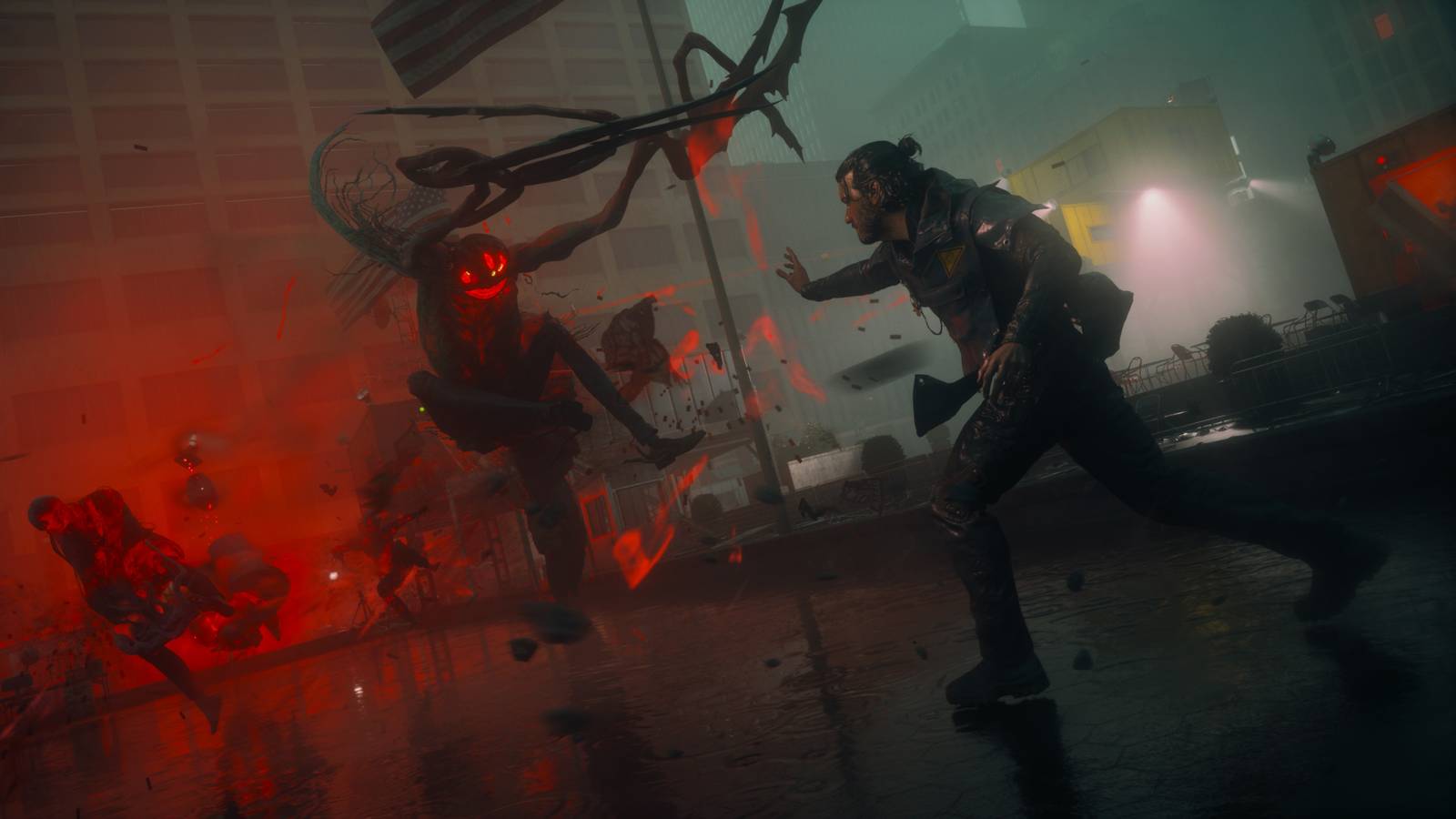
Hammer represents a different facet of originality. This interactive project appears to focus on the mundane, inviting players to inhabit a seemingly ordinary existence. While details are sparse, the title suggests a narrative or experiential game built around routine, character, and subtle storytelling rather than epic stakes. This type of thoughtful, atmospheric project often struggles to find backing in a risk-averse market, making it a perfect candidate for the label’s support.
Project D: The High-Concept Mystery
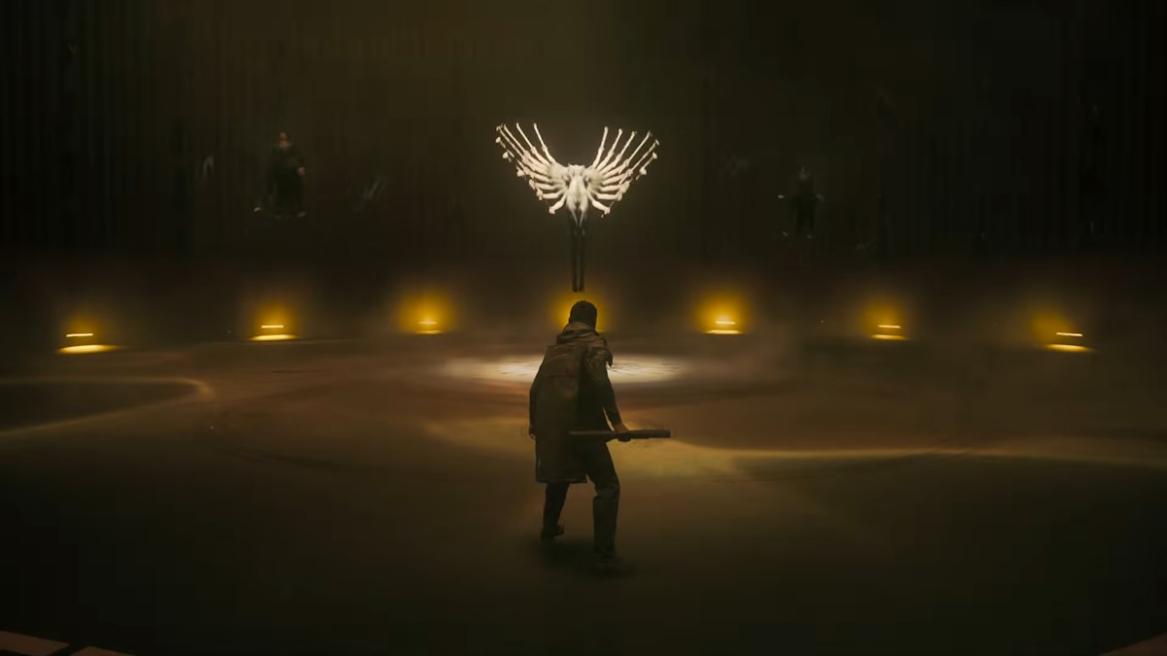
The third title, Project D, is shrouded in deliberate mystery, serving as an effective teaser for the label’s future. The lack of information builds anticipation and reinforces that Evil Landfall is a home for ideas still taking shape, for projects where the core concept is compelling enough to garner interest even without a full reveal. This approach allows a developer to secure support based on the strength of a vision and a prototype, rather than a fully vertical slice.
Addressing the Indie Funding and Visibility Crisis
The launch of Evil Landfall Publishing arrives at a critical juncture for the independent games sector. While digital storefronts have democratized distribution, they have also led to an unprecedented flood of releases. For a small team, securing funding beyond personal savings or friends-and-family rounds is extraordinarily difficult, and standing out in a sea of thousands of new titles each year is a monumental marketing challenge. Publishers with a keen eye for curation and a dedicated operational infrastructure are becoming essential filters and amplifiers. By positioning itself as a specialist in small-scale originality, Evil Landfall aims to be a lighthouse for both players seeking unique experiences and developers needing a path to shore.
A Model of Insider Mentorship
Perhaps the most valuable resource Landfall offers is not financial, but experiential. Having navigated the journey from concept (Peak began as a game jam project) to commercial success, the team possesses firsthand, practical knowledge of the entire development lifecycle for an indie hit. This allows them to provide mentorship that is empathetic and grounded in reality. They can advise on pragmatic timelines, smart feature prioritization, community building, and navigating platform requirements—guidance that is often more impactful than capital alone.
The Future of Indie Curation and Sustainable Development
The long-term implications of ventures like Evil Landfall Publishing point toward a more sustainable and diverse ecosystem. As larger publishers and platforms increasingly chase mainstream, high-revenue trends, a gap emerges for the truly experimental and niche. Specialist labels that act as both patron and partner can cultivate these niches, ensuring that innovative games find their audience. This model promotes a healthier industry where creative risks are not just taken but are professionally supported, leading to a richer and more varied gaming landscape for everyone.
The story of Landfall Games is now evolving from a single successful ascent to building a basecamp for others. Evil Landfall Publishing represents a profound investment in the community from which it emerged. By providing the tools, guidance, and platform that they once needed, the creators of Peak are actively working to lower the barrier for entry and amplify voices that might otherwise go unheard. Their success will no longer be measured solely by their own titles, but by the roster of original, ambitious games they help bring to the summit of public awareness, proving that in the volatile terrain of game development, a well-placed anchor can make all the difference.