The shadowy corridors of the Resident Evil universe have always been populated by enigmatic figures whose true allegiances and identities remain obscured by biological horror and corporate conspiracy. The latest installment, Resident Evil Requiem, has pulled back one of the most enduring veils in the franchise’s history, delivering a canonical revelation that reshapes decades of fan speculation. The game definitively establishes that the mysterious new antagonist, known only as The Commander, is indeed the legendary Umbrella Corporation operative HUNK, the “Reaper” of the Raccoon City incident.
The Evidence Within Resident Evil Requiem’s Narrative
Resident Evil Requiem’s campaign weaves its confirmation not through a single dramatic reveal, but through a meticulous layering of environmental storytelling, audio logs, and character interactions. Early gameplay footage and player discoveries from the released title show The Commander operating with a chilling, clinical efficiency that is HUNK’s signature. The character’s movement animations, particularly his weapon handling and methodical clearing of rooms, are direct callbacks to HUNK’s known tactics from the Raccoon City outbreak. Furthermore, files recovered from a hidden Umbrella safehouse in the game’s second act explicitly refer to “Project Reaper” and the redeployment of “Asset HUNK” to a new command role following the dissolution of the original Umbrella Corporation.
Decoding The Commander’s Visual and Tactical Signature
Beyond textual evidence, the visual design language speaks volumes. The Commander’s updated tactical gear, while more advanced, retains the distinctive color scheme and silhouette of HUNK’s classic uniform. His gas mask, though modified, features the same intimidating, faceless design that has become iconic. In several key cutscenes, The Commander executes maneuvers that long-time fans will recognize from HUNK’s “Four Minutes Until Death” escape sequence in Resident Evil 2. This includes a specific, efficient method of dispatching B.O.W.s (Bio-Organic Weapons) with minimal ammunition waste—a trait repeatedly emphasized in Umbrella’s after-action reports on HUNK’s performance.
HUNK’s Evolution from Ghost to Commander
This revelation answers one of the franchise’s longest-standing questions: what happened to HUNK after he escaped Raccoon City with the G-Virus sample? Resident Evil Requiem posits that the operative, having proven himself the ultimate survivor, was too valuable a asset to disappear. In the power vacuum left by Umbrella’s public collapse, its remnants and successor organizations vied for control of its biological weapons and, crucially, its personnel. HUNK, a man defined by mission parameters rather than corporate loyalty, transitioned from a field operative to a strategic leader. The game suggests he now commands a private military company comprised of former Umbrella special forces, selling their expertise in B.O.W. containment and acquisition to the highest bidder in a post-Umbrella world.
The Implications for Resident Evil’s Expanded Lore
The confirmation of HUNK as The Commander fundamentally alters the landscape of the series’ lore. It moves one of its most potent symbols of human survival and amoral professionalism from the periphery to the center of the ongoing narrative. This development suggests a world where the monsters are not just viral abominations, but the cold, calculating humans who learned to weaponize and profit from the apocalypse. It creates a direct, tangible link between the classic survival horror of Raccoon City and the more action-oriented, global bioterrorism of the modern games. The Commander is not a new evil, but the old evil evolved, adapting to a new ecosystem of chaos he helped create.

Fan Theories Versus Canonical Confirmation
For years, the fan community has dissected every piece of lore, searching for clues about HUNK’s fate. Theories ranged from him becoming a rogue agent to his death in obscurity. Resident Evil Requiem’s developers have stated in accompanying interviews that they viewed this reveal as a reward for that dedicated scrutiny. By planting subtle clues in the game’s marketing and early trailers—a specific weapon reload, a stance, a radio call sign—they built toward a payoff that feels earned rather than gratuitous. The narrative doesn’t treat the reveal as a shocking twist, but as a logical, inevitable progression for a character whose entire existence is defined by surpassing impossible odds and fulfilling his mission, no matter the cost.
Gameplay Mechanics That Reinforce the Identity
The gameplay itself reinforces this identity. When players eventually confront The Commander in a boss encounter, his tactics are a brutal reflection of HUNK’s known skills. He uses the environment tactically, sets traps, and employs hit-and-run strategies designed to drain resources. He does not monologue or grandstand; he is silent, efficient, and relentlessly goal-oriented. Furthermore, intelligence files unlocked after defeating him detail operations spanning the timeline of the entire franchise, placing him at the shadowy edges of events in Europe, Africa, and the United States, consistently acting as a cleaner and asset recovery specialist for various bioweapons contractors.
A New Antagonist Archetype for the Franchise
In establishing The Commander as HUNK, Resident Evil Requiem introduces a different kind of villain. He is not a megalomaniacal visionary like Oswell E. Spencer or a charismatic cult leader like Mother Miranda. He is a pragmatist. His motivation, as pieced together from logs and dialogue, appears to be a twisted form of professionalism and a belief in the natural order of a world where the strong—those who can master the biohazard—rightfully dominate. This makes him arguably more terrifying than the series’ more overtly monstrous antagonists; he represents the banality of evil applied to a universe of viral horror. He is not insane; he is perfectly, coldly rational.
The Future of The Commander in the Resident Evil Saga
This revelation is clearly not an endpoint, but a new beginning for the character. The conclusion of Resident Evil Requiem leaves The Commander’s organization damaged but operational, with HUNK himself escaping to fight another day. His survival is, after all, his defining trait. This sets the stage for him to become a persistent, looming threat in future installments—a constant in a world of variables. He is no longer a ghost story from Raccoon City but an active, powerful player in the global bioweapons black market. Future narratives can now explore his interactions with other major factions like the BSAA, The Connections, and even classic characters who might have crossed his path in the past.
The definitive identification of HUNK as The Commander successfully bridges Resident Evil’s past and its future. It honors a deep-cut character beloved by the fanbase by giving him a role of substantial narrative weight, while also crafting a formidable antagonist whose threat is rooted in a terrifying competence rather than supernatural power. It proves that in the world of Resident Evil, the most enduring monsters are sometimes the humans who emerged from the outbreak not with scars, but with a promotion.







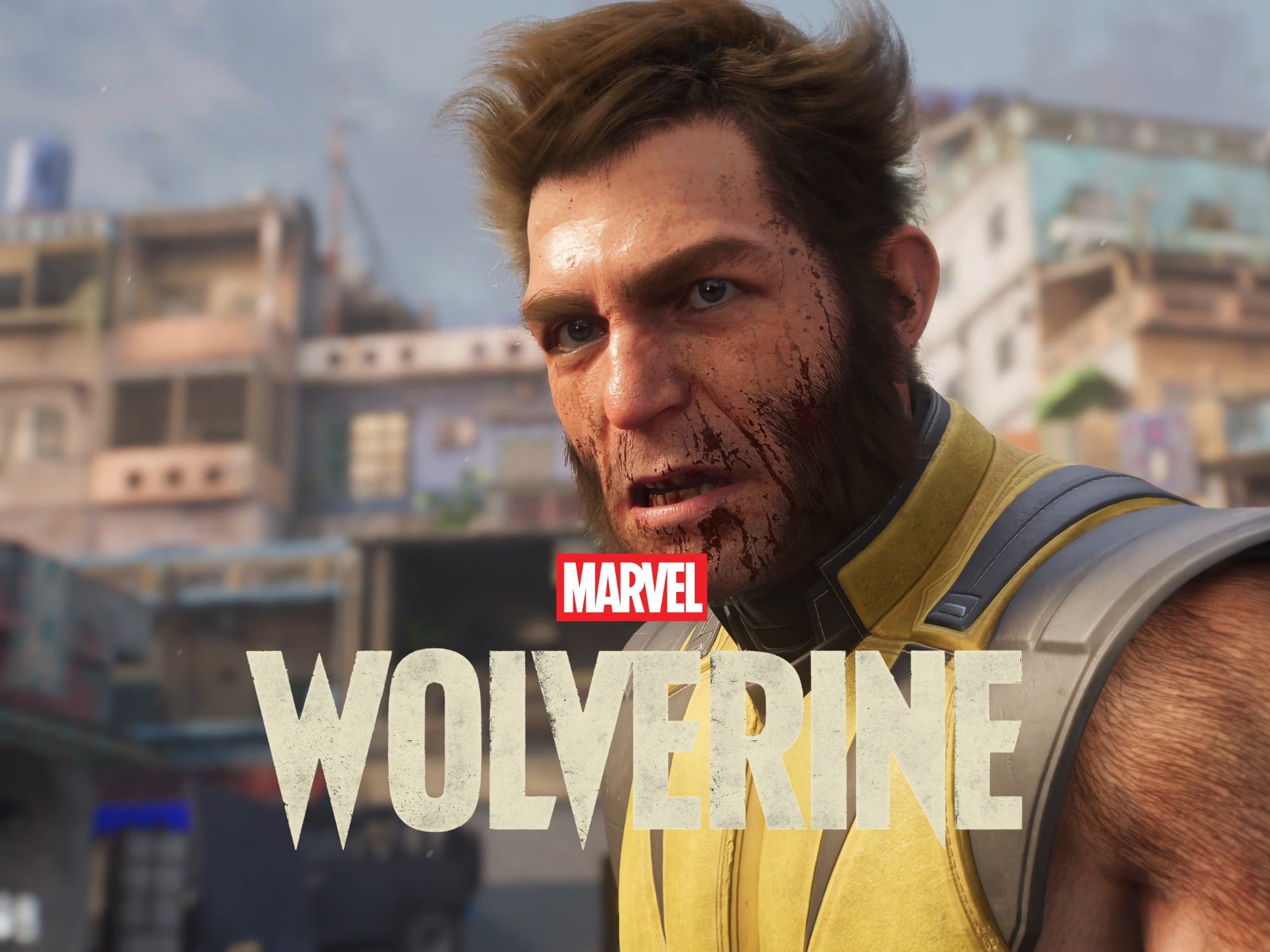
/i.s3.glbimg.com/v1/AUTH_08fbf48bc0524877943fe86e43087e7a/internal_photos/bs/2026/B/N/5EQ9QeQAa2XoA9mRtS0w/marvels-wolverine-state-of-play.jpg "Marvel’s Wolverine Settings: What Actually Works in Combat")