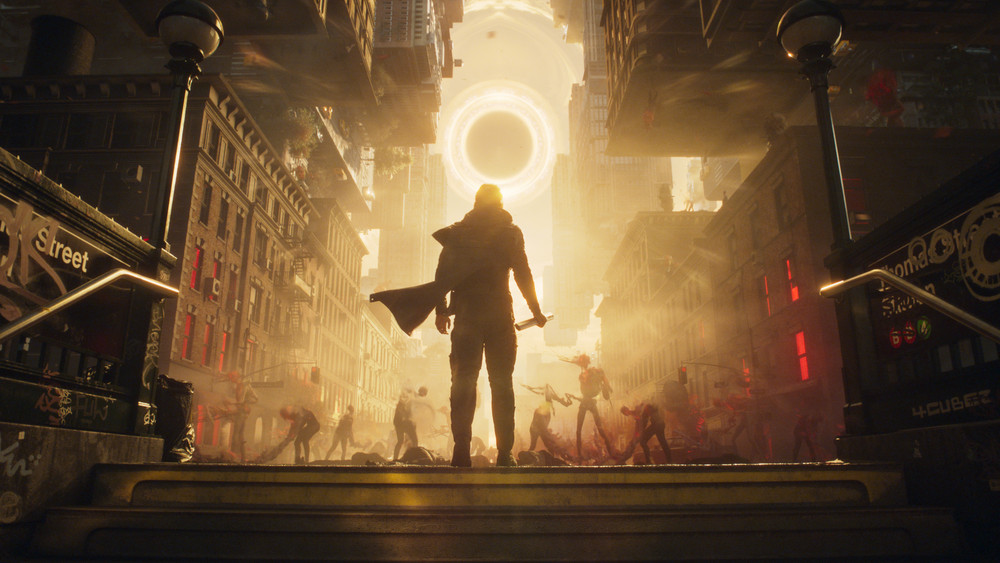
The cyberpunk underworld of Rengkok is about to become significantly more complex and deadly. Developer Reikon Games has officially announced RUINER 2 for PC, a direct sequel that dramatically evolves the formula of its cult classic top-down shooter predecessor into a deep, systems-driven action RPG. While a specific launch date remains under wraps, the studio has unveiled a suite of revolutionary mechanics centered on a single, radical concept: your body is no longer your own, but a weapon to be stolen, swapped, and synergized in real-time combat.
The Shell System: Redefining Combat Identity
The core innovation of RUINER 2 is the Shell System, a mechanic that fundamentally alters how players engage with both combat and character progression. Cast once again as a hacker trapped in the oppressive, corporate-dominated city of Rengkok, your primary tool for survival is no longer just a gun or a blade—it is the ability to hijack the bodies of other combatants. These captured entities, referred to as “puppies,” become playable combat shells that you add to your personal roster.
Defeating the specialized bounty hunters sent to eliminate you is the key to expansion. Each boss-level enemy you overcome yields their Shell, which is then transported to your garage. From this growing collection, you assemble a team of up to three distinct Shells for solo play. The game-changing twist is the ability to switch between these Shells in real-time during combat, with each swap representing a complete shift in playstyle, abilities, and tactical role on the battlefield.
Strategic Depth Through Roster Synergy
This is not merely a cosmetic change. Each Shell is a fully realized character build with a unique weapon set, four core abilities, and a defined combat archetype—be it a close-range berserker, a long-range sniper, or a support technician. The strategic genius of the Shell System lies in what the developers term “roster synergies.” By chaining abilities between your active Shells, you can create compounded damage loops and powerful combo effects that would be impossible with a single character.
For example, you might initiate a fight with a Tank Shell to draw aggro and apply crowd control, swiftly swap to an Assassin Shell to deliver high burst damage to a vulnerable target, and then finish with a Technician Shell to deploy area-denial gadgets. Mastering the flow between these identities, and building a roster whose abilities complement each other, forms the bedrock of RUINER 2’s advanced gameplay.

A Dual-Layer Progression Framework
To support this complex system, RUINER 2 implements a sophisticated, two-tiered progression model that separates the growth of the player’s core consciousness from the development of their physical vessels.
The Hacker’s Neural Network
The first layer belongs to the Hacker—your central, disembodied persona. As you accumulate Karma through missions and combat, you invest points into the Neural Network. This is a passive skill tree that affects your entire roster globally. Choices here define the overarching direction of your build, offering bonuses that might enhance all Shells’ critical hit chance, improve resource regeneration, or unlock universal utility perks. This layer represents your character’s evolving mastery of Rengkok’s digital and psychic landscape.
Shell-Specific Customization
The second layer is dedicated to individual Shell development. Each of a Shell’s four abilities features two branching paths and dozens of modifiable nodes. This isn’t simple stat inflation; these nodes can radically redefine how an ability functions. A standard grenade might be modified to create a lingering radiation field, or a dash ability could be altered to leave behind a damaging trail. This granular customization allows for profound specialization, ensuring that even two players using the same Shell type can have vastly different loadouts.
Resource Management and High-Stakes Crafting
Gearing your Shells introduces a constant, compelling tension through strict resource constraints. Each Shell operates with three core resources: Power, CPU, and Memory. Every piece of equipment—weapons, armor, cybernetic implants—consumes a portion of this limited pool. There are no free slots; equipping a powerful new energy rifle might mean sacrificing defensive implants or utility gadgets. Every gear choice is a meaningful trade-off, forcing players to curate a loadout that aligns with their intended role for that Shell.
The Overload and Complexity Factor
The crafting system, dubbed the Overload System, layers significant risk onto this already tense equipment game. When upgrading or modifying an item, players encounter the Complexity Factor. The principle is simple yet brutal: the further you push an enhancement, the greater the potential reward, but also the exponentially higher chance the item will “overload” and transform into something entirely unexpected—and not necessarily desirable.
You might be attempting to add a fire damage modifier to a plasma sword, only for a failed overload to reconfigure it into a low-damage tool that debuffs enemy armor. The decision of when to stop pushing your luck rests entirely with the player, introducing a palpable sense of gamble to the pursuit of perfect gear.
Three-Player Co-Op and a Stance Against Pay-to-Win
RUINER 2 is designed as both a solitary and a shared struggle. The cooperative mode supports up to three players, with each participant bringing two of their Shells into the mission. This creates a combined roster of six unique units on the battlefield. The game’s most daunting challenges are reportedly tuned for this coordinated approach, requiring teams to interweave synergies not just within their own roster, but across the entire squad’s combined capabilities.
In an era of live-service uncertainty, Reikon Games has made a firm commitment regarding monetization. The studio has stated explicitly that no microtransactions will affect gameplay. All progression—from unlocking new Shells and abilities to upgrading gear—will be earned exclusively through gameplay. This policy ensures the game’s intricate balance and sense of achievement remain untouched by pay-to-win mechanics.
The Oppressive World of Rengkok
All these systems are framed by the return to the nightmarish, industrial sprawl of Rengkok. The city’s dystopian lore has been deepened in a characteristically grim fashion. Here, mega-corporations exert such total control that they hold intellectual property rights over the very concept of a citizen’s death. Dying is not just a failure; it is a breach of contract. This setting provides more than just atmospheric backdrop; it directly fuels the narrative drive to escape a system literally engineered to kill you, mirroring the player’s mechanical struggle against increasingly complex enemy designs and tactical scenarios.
The announcement of RUINER 2 signals a bold evolution from a respected indie shooter to a ambitious, systems-rich RPG. By placing the theft and exchange of corporeal identity at its core, it promises a cyberpunk experience where freedom is won not by finding yourself, but by strategically becoming someone else. The streets of Rengkok await, not with mere bullets, but with the ultimate question: in a world that owns your death, how many lives will you need to steal to survive?