The Future Games Show Spring Showcase“>Show Spring Showcase has delivered the most substantial look yet at Samson, the upcoming action title from the creator of the celebrated Just Cause franchise. The new gameplay footage moves beyond cinematic teasers to reveal the game’s core mechanical heart: a brutal, momentum-based combat system operating under the relentless pressure of a real-time debt clock. This isn’t just another power fantasy; it’s a desperate fight for financial survival where every passing in-game hour raises the stakes.
The Core Loop: Combat Under the Crushing Weight of Time
Samson discards traditional mission-based structures for a novel and punishing premise. Players control a wounded but determined protagonist trapped in an inescapable cycle of debt. The core narrative driver isn’t a world-ending threat or a quest for vengeance—it’s the simple, overwhelming need to pay what is owed. This central conceit manifests in a gameplay structure where time itself is the ultimate adversary. The game world operates on a persistent clock, with each passing hour introducing new threats, escalating enemy difficulty, and compounding the consequences of failure.
This creates a unique rhythm of play. There are no safe havens for extended periods, no menus to linger in without consequence. The pressure is constant, forcing players into a state of perpetual motion. Exploration, resource gathering, and combat must all be executed with ruthless efficiency. Hesitation isn’t just a tactical error; it’s a financial one. The gameplay reveal showcased this tension perfectly, with the protagonist moving through dilapidated urban environments, engaging groups of enemies with fluid, impactful strikes, all while a prominent on-screen counter ticked down, a constant reminder of the impending hour.
Momentum-Based Combat: Fluidity Meets Ferocity
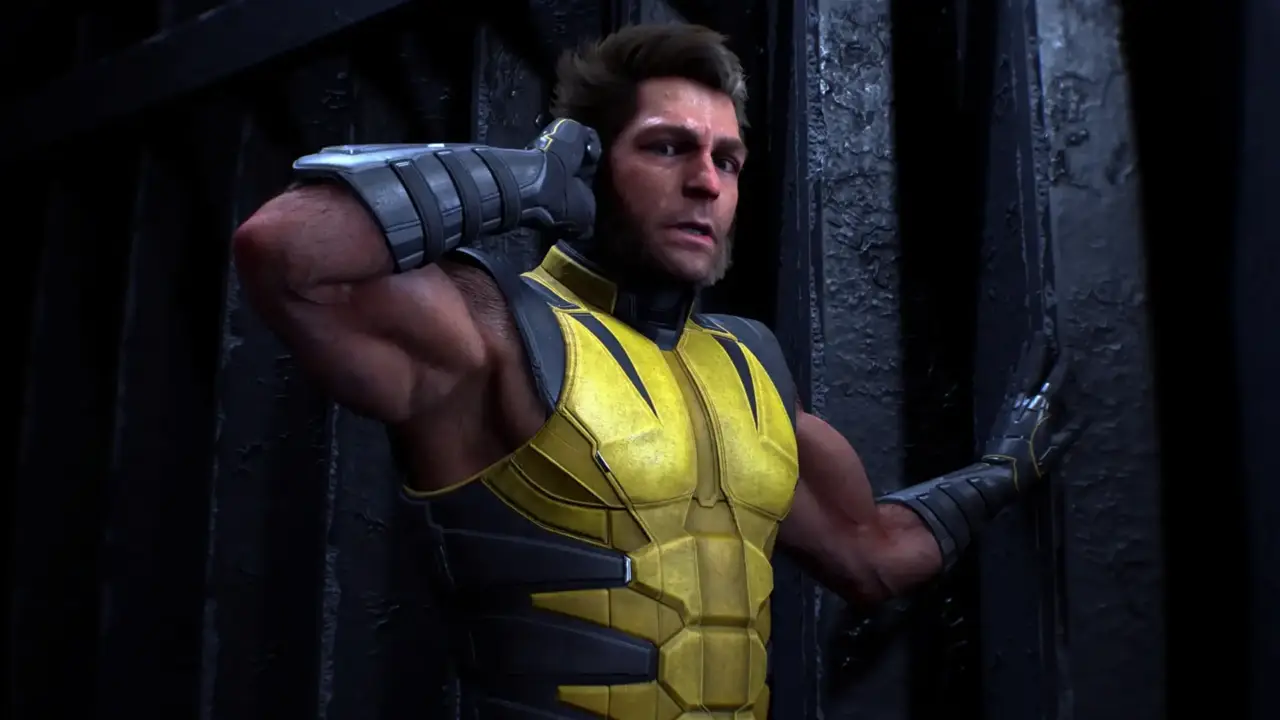
The newly revealed combat system is where Samson‘s Just Cause pedigree becomes apparent, albeit channeled into a more grounded, intimate style. Dubbed “momentum-based combat,” it emphasizes fluid chaining of attacks, environmental interaction, and maintaining offensive pressure. Strikes have palpable weight, with successful hits visibly staggering opponents and creating openings for devastating follow-ups.
Building and Spending Momentum
The system appears to revolve around a momentum meter, likely built through consecutive hits and skillful maneuvers. Once charged, this resource can be spent on particularly powerful, screen-clearing attacks or used to execute specialized takedowns. The gameplay demonstrated a seamless flow between light and heavy attacks, dodges that fluidly reposition the character, and the use of makeshift environmental weapons—smashing an enemy into a wall or hurling a debris-laden pallet.
A Departure from Superpowered Sandboxes
This represents a significant shift from the creator’s previous work. Where Just Cause offered a playground of explosive, physics-defying tools, Samson‘s combat feels visceral, personal, and born of desperation. There’s a scrappiness to the animations; the protagonist fights not with the grace of a super-soldier but with the determined, sometimes clumsy ferocity of someone fighting for their life. This aesthetic reinforces the game’s core theme: this is not about glory, it’s about survival.
The Debt Clock: A Revolutionary Gameplay Mechanic
While the combat provides the moment-to-moment action, the true innovation of Samson lies in its overarching time-pressure system. The “debt clock” is more than a narrative device; it’s a dynamic difficulty slider and world-state manager. As each hour passes in-game, the world reacts. New enemy patrols might spawn in previously cleared areas. Existing factions could become more aggressive or better equipped. Safe zones may be compromised. The cost of failure—whether through death or wasted time—increases exponentially.
Risk Versus Reward in Real Time
This system fundamentally alters player decision-making. Do you take a dangerous, longer route that might yield a large cache of resources to pay down your debt? Or do you take the faster, safer path, knowing the hour will turn before you can accomplish as much? The gameplay reveal hinted at this tension, showing the player bypassing a guarded compound, perhaps judging the combat encounter too time-consuming for the potential reward. This layer of strategic time management, layered on top of action combat, creates a compelling hybrid genre.
Consequences Beyond Game Over Screens
Traditional games punish failure with a reload. Samson appears to punish it with compounding interest. Losing a fight or failing an objective doesn’t just mean repeating a segment; it means the clock has advanced, your debt has grown, and the world has become a more dangerous place. This creates a powerful, organic sense of consequence rarely seen in action games, where every setback has a tangible, lasting impact on the player’s journey.
Visuals and Setting: A World of Urban Decay
The showcased environments paint a picture of a fractured, near-future or alternate-present urban landscape. Think crumbling concrete, chain-link fences, graffiti-strewn alleyways, and the oppressive glow of malfunctioning neon signs. The color palette is dominated by grimy browns, sickly greens, and the harsh orange of sodium-vapor streetlights. This isn’t a vibrant open world to explore at leisure; it’s a hostile, decaying ecosystem the player must navigate under duress.
The visual design directly supports the game’s themes. Clutter and debris litter the streets, offering both tactical cover and potential impromptu weapons. Lighting is used strategically, with deep shadows creating ambush points and brightly lit areas offering little cover. The world of Samson feels authentically worn and dangerous, a perfect backdrop for its story of brutal, ground-level struggle.
Release Strategy and Platform Availability
Samson is confirmed for a PC release on April 8, with versions for unspecified consoles planned for a later date. This staggered release is common for smaller, ambitious titles from independent studios, allowing the developers to refine the PC version as a foundation before optimizing for console hardware. The choice of PC as the lead platform suggests the game may feature nuanced control schemes benefiting from mouse and keyboard input, particularly for the precise, timing-based combat system.
Positioning in the 2026 Action Game Landscape
Releasing in the first half of the year, Samson enters a competitive field. Its success will hinge on delivering a uniquely pressurized experience that distinguishes it from more traditional, empowerment-focused action RPGs and open-world games. By focusing on a relentless core loop of combat under time pressure, it carves out a specific niche for players seeking high-stakes, consequence-driven gameplay rather than leisurely exploration or power progression.
The latest gameplay reveal for Samson successfully transitions the project from a intriguing concept to a tangible, high-stakes action experience. It demonstrates a confident fusion of visceral, momentum-driven combat with a genuinely innovative time-pressure mechanic. The game promises not just a test of reflexes, but of resource management, risk assessment, and endurance under constant duress. For players fatigued by endless checklists and predictable power curves, Samson offers a stark, brutal, and compelling alternative: a fight where the greatest enemy isn’t a monstrous boss, but the relentless, ticking clock of financial ruin.