In the ever-evolving landscape of video game development, few announcements have been as perplexing and ultimately as revealing as that of State of Decay 3. Announced by Undead Labs nearly six years ago, the prolonged silence following its cinematic trailer had fueled speculation and concern within its dedicated fanbase. The mystery, however, has been recently clarified by the studio’s leadership in a candid admission: the reveal was not just early, but profoundly premature. This article will explore the studio’s own account of an announcement made before production even began, the concepts that have already been abandoned, and the tangible signs that the project is finally moving forward.
Undead Labs’ Leader Admits a Premature Announcement
Philip Holt, the head of Undead Labs, recently offered a rare behind-the-scenes look at the State of Decay 3 timeline in an interview. His statements were unambiguous. When the game was revealed to the public in 2020, it was, by his own account, not a game in development. It was an idea on paper. At that pivotal moment of its global announcement, only a handful of developers—four or five—were loosely attached to a project that had not yet entered any formal pre-concept phase. Holt openly stated that the company revealed the zombie survival title far too early, a move that set unusual expectations and a lengthy, uncertain waiting period for the community.
The 2020 Trailer: A Cinematic Pitch, Not a Gameplay Preview
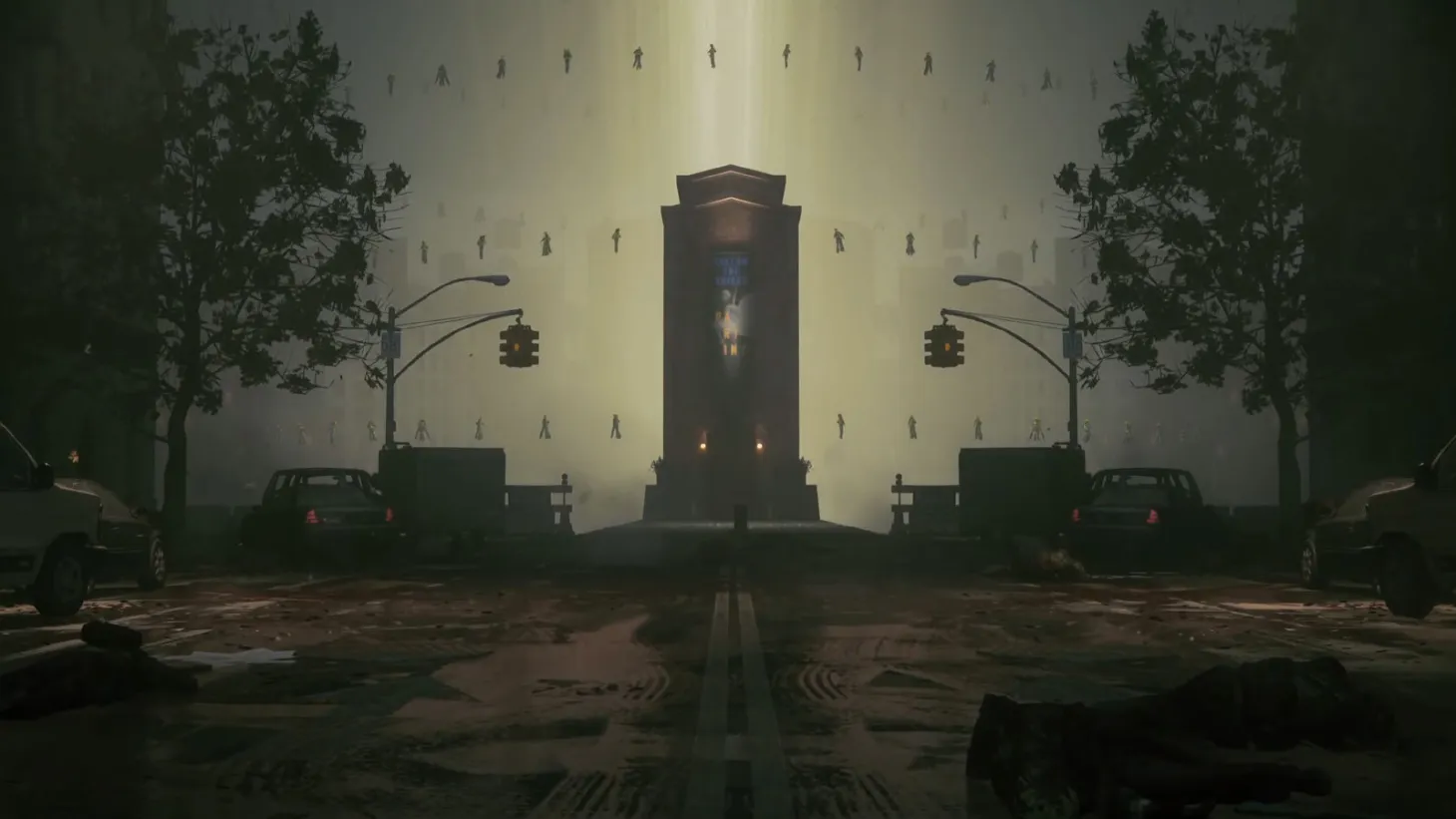
The source of much of the initial excitement and subsequent confusion was the reveal trailer itself. Produced by the renowned cinematic studio Blur, the trailer was a masterclass in atmospheric storytelling, depicting a harsh, frozen wilderness and a terrifying encounter with an infected, zombified deer. Holt clarified the nature of this footage: it was entirely pre-rendered. More importantly, it served as a visual mood board, showcasing thematic elements and concepts the team was interested in exploring. It was a target, not a snapshot of development progress. This distinction is crucial for understanding why the game vanished from the public eye for so long following its flashy debut.
Concepts from the Trailer Already Scrapped
One of the most significant consequences of announcing a game based on a conceptual pitch is the inevitability of change during actual production. Holt confirmed this directly, revealing that several ideas presented in that initial trailer have already been discarded during the legitimate development process. The most prominent example he cited was the concept of infected zombie animals, a central and chilling visual from the Blur trailer. The zombified deer, which served as the trailer’s climax, is no longer part of the planned experience for the final version of State of Decay 3. This underscores that the trailer represented a direction, not a promise, and that the years of silence were spent iterating and defining what the game truly should be.
A Modern Development Anomaly
Holt’s admission highlights a growing tension in modern game publishing. While it is increasingly rare for major studios to announce titles before they are deep into production, it still occurs. These early announcements, often driven by marketing cycles and platform holder showcases like those from Xbox, can create a significant gap between consumer anticipation and developer reality. State of Decay 3 stands as a case study in this phenomenon, where a franchise with a strong cult following was put into the spotlight at arguably its most vulnerable moment—when it was merely a collection of compelling ideas seeking a concrete form.

From Paper to Progress: Signs of Life in 2025
After years of existing primarily as a topic of speculation, State of Decay 3 is finally showing concrete signs of life. The most encouraging news for eager fans is that Undead Labs is planning a playable alpha test scheduled for May of this year. This milestone is a definitive marker in a game’s development cycle, indicating that core systems are functional and that the studio is confident enough to begin gathering vital feedback from players under controlled conditions. The existence of a playable build, however early, validates that the project has successfully transitioned from conceptual discussions to an interactive software development phase.
What an Alpha Means for the Project’s Future
The move to an alpha stage is strategically important. It signals that the foundational technology and gameplay loops are established. For a community-driven series like State of Decay, where cooperative survival and base management are paramount, early player testing is invaluable. It allows Undead Labs to stress-test its systems, gauge player reaction to new mechanics, and iterate based on real-world data. This step suggests the studio is focused on refining the core experience based on feedback, a process that aligns more with the franchise’s history of community-informed development than the grand, pre-rendered spectacle of its 2020 reveal.
Navigating the Hype Cycle After a Premature Reveal
The journey of State of Decay 3 offers a clear lesson in managing development transparency. The lengthy radio silence, while frustrating for fans, was likely a necessary result of showing the game too soon. Undead Labs faced a difficult choice: provide frequent updates on a project whose direction was still in flux, potentially leading to more misinformation and disappointment, or retreat into focused development until they had tangible progress to share. They chose the latter. The upcoming alpha test represents their first major step back into the public sphere with something substantive, allowing them to rebuild momentum on a firmer foundation of actual gameplay.
The Undeniable Pressure and Heightened Expectations
Despite the scrapped concepts and development restarts, the early reveal did create one undeniable asset: significant awareness. The cinematic trailer successfully etched a powerful, dark, and next-generation vision of the franchise into the minds of players. The challenge for Undead Labs now is to meet the high expectations set by that trailer’s visual and tonal quality, while delivering the deep, systemic survival gameplay that is the series’ true hallmark. The pressure is immense, as the game must now satisfy the hype generated six years ago while proving its worth as a modern evolution of the formula.
The story of State of Decay 3 thus far is a nuanced tale of modern game development pressures, marketing strategies, and the honest realities of creative iteration. From a premature announcement of a concept on paper to the impending reality of a playable alpha, the project’s path has been anything but conventional. While the infected deer may be gone, the core promise of a deeper, more ambitious survival experience within the State of Decay universe remains. The upcoming alpha phase marks the true beginning of the game’s dialogue with its players, shifting the narrative from what was shown too early to what is being built, right now, for the future.