{
“aigenerated_title”: “Saros Developers Avoid PC Port Inquiry Amid Reports Sony Will Stop Single-Player Game Releases on Steam”,
“aigenerated_content”: “
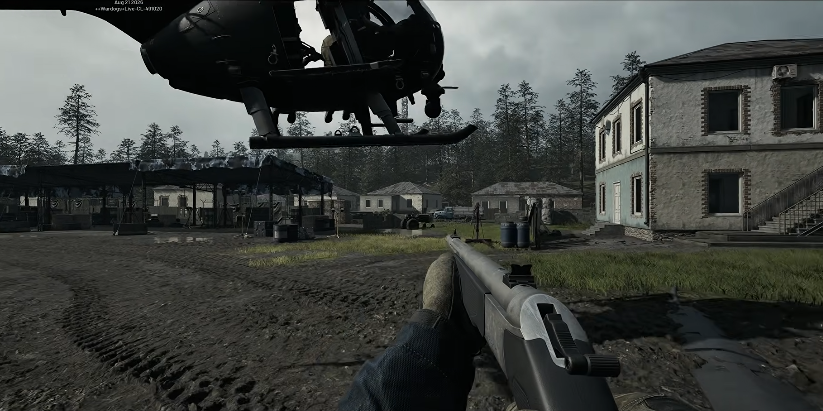
In a recent interview, the director of the upcoming PlayStation 5 exclusive shooter, Saros, Gregory Louden, was directly questioned about the potential for a PC version of the game. His response was a deliberate evasion. “Today we’re only talking about Saros and the launch on the PlayStation 5,” Louden stated to Game Informer, refusing to confirm or deny any plans beyond the console launch. This non-answer aligns precisely with a series of industry reports suggesting a major strategic pivot at Sony Interactive Entertainment, one that would see the company cease releasing its flagship single-player titles on PC platforms like Steam.
nnn
For nearly six years, Sony has engaged in a calculated multiplatform strategy for its premier single-player experiences. Titles like God of War, Spider-Man, and Horizon Zero Dawn were released on PlayStation consoles first, followed by highly successful PC ports months or years later. These ports were not mere side projects; they generated substantial revenue, expanded the franchises’ audiences, and reinforced Sony’s brand power in the gaming ecosystem. The strategy was seen as a win-win, bolstering console sales through exclusivity while capturing the vast PC market in a secondary wave.
nn

Recent Reports Signal a Complete Reversal
n
However, over the last several months, multiple credible reports have indicated that Sony is preparing to abandon this approach entirely. The core of these reports is a stark new directive: only live-service games, such as Helldivers 2, will continue with simultaneous or staggered PC releases. All major, narrative-driven single-player titles, including anticipated games like Ghost of Yotei and now Saros, will remain permanent PlayStation exclusives. According to these sources, initial plans for PC ports for these specific games were scrapped as part of a top-level strategic overhaul.
nn
Why Sony Might Be Reconsidering PC Releases
n
The reasoning behind such a dramatic shift is rooted in the evolving hardware landscape and competitive pressures. The imminent arrival of the “Steam Machine,” a PC-centric gaming console expected to offer access to the entire Steam library, poses a direct threat to traditional closed-platform consoles. Furthermore, Microsoft’s rumored next-generation console, “Project Helix,” is speculated to support multiple digital storefronts, further blurring the line between console and PC gaming. In this environment, releasing a PlayStation Studios’ crown jewel like Saros on Steam could undermine the unique value proposition of the PlayStation 5 itself. If the same game is available on a competitor’s hardware that also offers a vastly broader library, the incentive to purchase a Sony console diminishes.
nn
The Financial and Strategic Calculus Behind Exclusivity
n
Sony’s potential move is a stark contrast to Microsoft’s recent strategy. Microsoft has aggressively pushed for multiplatform releases, placing its first-party titles like Starfield and the upcoming Call of Duty on PlayStation in pursuit of maximum software revenue. This approach, however, has coincided with a significant faltering in dedicated Xbox console sales. Industry analysts suggest Sony is observing this outcome and deciding that preserving the strength and necessity of its hardware ecosystem is paramount for long-term health. The revenue from PC ports, while significant, may be deemed secondary to the foundational goal of selling tens of millions of PlayStation units each generation.
nn
The Developer’s Dilemma and Public Messaging
n
The situation places developers like the Saros team in a delicate public relations position. They are likely bound by corporate directives from Sony that prevent them from discussing unapproved platforms. Louden’s dodged answer is a textbook example of this controlled messaging. By stating focus is solely on the PS5 launch, he avoids contradicting future corporate announcements while also not fueling speculation that could disappoint PC gamers. This careful language is often the first public indicator of a broader, unconfirmed policy change within a platform holder.
nn
Impact on the Gaming Community and Market Expectations
n
For the gaming community, this shift would represent a significant change. PC gamers who have enjoyed delayed access to PlayStation’s cinematic single-player catalog would find that pipeline closed. This could increase pressure on Sony to deliver more compelling exclusive software to justify PlayStation hardware purchases. Conversely, it might bolster sales of Sony’s consoles, as the only way to experience these games. The market has grown accustomed to eventual PC releases; removing that expectation could create short-term frustration but potentially strengthen the console’s brand identity as a unique destination for premium content.
nn
Analyzing the Evidence: Saros as a Case Study
n
The Saros interview is not standalone evidence. It must be viewed as a piece of a larger puzzle. The reports about Ghost of Yotei, the historical success of past ports, and the changing competitive hardware landscape all form a coherent narrative. When a developer conspicuously avoids a standard question about PC availability—a question that, for years, often yielded answers like “we’re focusing on console first” or “we’ll evaluate later”—it suggests the answer is not simply “later,” but potentially “never.” The avoidance, in this context, adds considerable fuel to the existing reports.
nn
The Role of Live-Service Games in the New Strategy
p>It is crucial to note that the reported strategy does not mean a complete Sony exit from the PC market. Live-service games, which rely on large, persistent player bases and continuous revenue from microtransactions, are seemingly exempt from this new exclusivity rule. Games like Helldivers 2 demonstrated that a simultaneous PC launch can catapult a title to massive success without negatively impacting PlayStation sales. This bifurcated approach suggests Sony sees live-service titles as inherently multiplatform products, while narrative single-player games are reclassified as fundamental platform-sellers.
nn

What This Means for Future PlayStation Studios Announcements
n
Moving forward, announcements for new single-player games from PlayStation Studios will likely omit any reference to PC. Marketing will focus intensely on PlayStation 5 and, presumably, its successor. Any question about PC ports in interviews will be met with similar non-answers or flat denials. This will require a recalibration from media and consumers alike. The era of assuming a PlayStation masterpiece will eventually come to PC may be ending, marking a return to the more traditional exclusivity models of past console generations.
nn
The deliberate evasion by the Saros director is a small but telling signal in a much larger strategic conversation. It points towards a future where the value of a PlayStation console is defended not just by having great games, but by having great games that cannot be played anywhere else. This calculated retreat from multiplatform releases for its most prestigious titles is a gamble on hardware loyalty over software revenue breadth. Whether this strengthens Sony’s position against emerging PC-based consoles or alienates a segment of its growing audience will be one of the defining business stories of the coming years in gaming.
“,
“aigenerated_tags”: “Saros, PlayStation 5, Sony, PC ports, exclusivity, Steam Machine, console strategy, single-player games, gaming industry, multiplatform”,
“image_prompt”: “Create a photorealistic, cinematic scene depicting a tense, futuristic moment from the game Saros. The image should show a lone, armored protagonist standing on a rain-slicked, neon-lit rooftop in a cyberpunk city at night. The character is looking upwards, holding a high-tech rifle, with the PlayStation 5 console logo subtly glowing on their shoulder armor. In the background, a massive, sleek digital billboard displays a blurred Steam logo, partially obscured by rain and atmospheric fog, symbolizing the distant and inaccessible PC platform. The lighting is dramatic, with contrasting cool blues from the city lights and warm orange from a distant explosion, highlighting the exclusivity and focused intensity of the PlayStation experience. The overall mood is immersive, exclusive, and cutting-edge.”
}