{
“aigenerated_content”: “
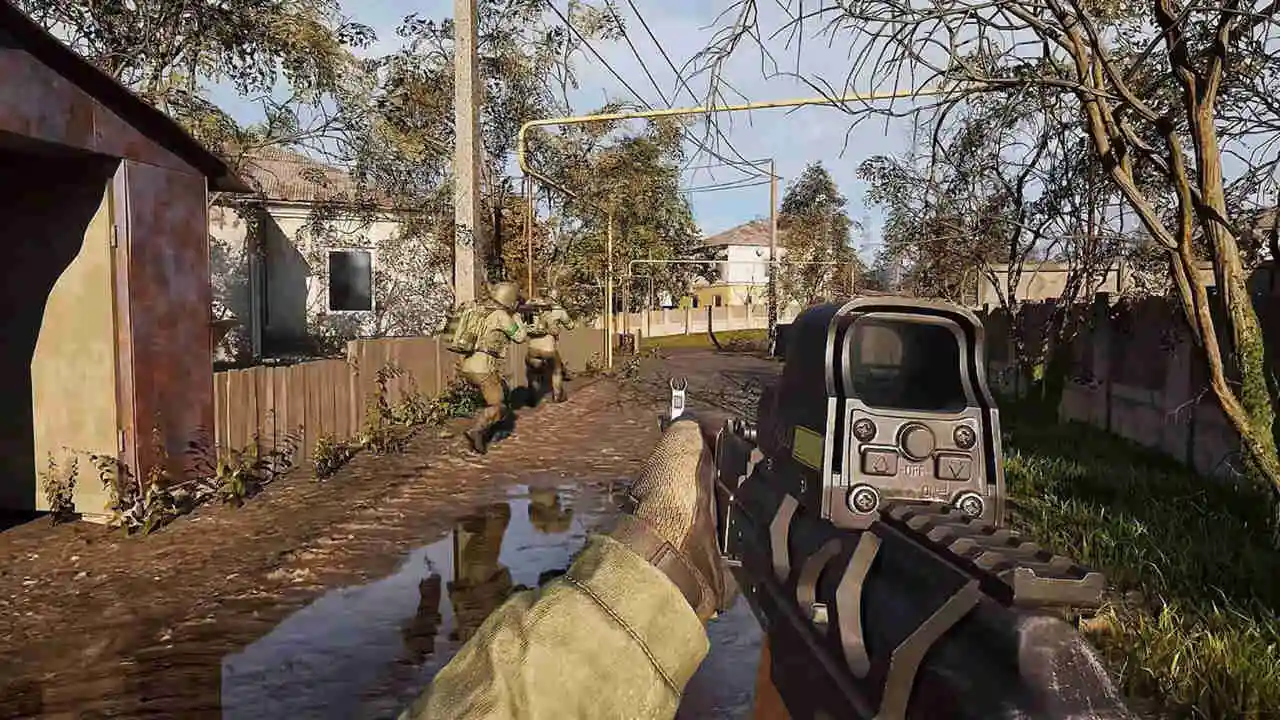
In a stark demonstration of the unforgiving nature of the live-service video game market, Krafton’s top-down tactical shooter, a spin-off from its global phenomenon PUBG, has been shut down permanently just two months after its early access launch on Steam. The project, which aimed to translate the battle royale’s tense, strategic gunplay into a more intimate, squad-based format, failed to capture a sustainable audience, leading to a swift and decisive termination of development and online services.
The game, whose development was handled by PUBG Studios, was announced as an ambitious reinterpretation of the PUBG universe. Departing from the first-person/third-person perspective of the main game, it adopted a top-down, isometric viewpoint. This shift promised a more tactical, almost chess-like approach to combat, where positioning, team coordination, and map control were intended to be paramount. The core loop centered on 4v4 and 8v8 team deathmatches and objective-based modes, set in smaller, more detailed maps designed for intense, close-quarters engagements.
The development team emphasized a focus on “tactical action” and “strategic gunplay,” leveraging the realistic ballistics and weapon mechanics for which PUBG is famous, but within a new visual framework. Early promotional material suggested a blend of the methodical pacing of classic tactical shooters with the visceral, high-stakes gunfights of its parent title. For a segment of the PUBG community yearning for a more structured, team-oriented experience without the sprawling randomness of a 100-player battle royale, the project held significant appeal.
A Rocky Start in Early Access
The game launched into Steam Early Access with a modest but hopeful player base. Initial reviews from players and critics were mixed, highlighting both potential and significant flaws. Praise was occasionally directed at the core shooting mechanics, which successfully carried over the weighty, impactful feel of PUBG’s gunplay. The top-down perspective was noted as a novel way to experience these mechanics, offering a clearer view of the battlefield and enemy movements.

However, criticism was swift and centered on several critical areas. Many players reported a lack of compelling content at launch, with only a handful of maps and modes available. This led to concerns over long-term replayability. More damaging were persistent technical issues, including server instability, matchmaking problems, and bugs that hampered the core experience. Furthermore, some feedback suggested the game struggled to find a distinct identity, feeling caught between being a hardcore tactical sim and a more accessible arcade shooter, ultimately satisfying neither camp fully.
The Rapid Decline and Inevitable Decision
Player numbers, a crucial metric for any live-service title, told the most definitive story. Following a brief initial surge of curiosity from the PUBG brand name, concurrent player counts on Steam began a steep and consistent decline within weeks. The game failed to break into the top played titles on the platform and struggled to maintain enough active users to ensure quick and balanced matches, a death knell for a multiplayer-only product.
This rapid drop in engagement signaled a fundamental failure to retain players beyond the initial trial period. In the crowded marketplace of competitive shooters, where titles like Counter-Strike 2, Valorant, and even PUBG itself command immense attention, a new entry must offer an exceptionally polished and compelling hook to survive. The spin-off, burdened by its early access shortcomings and identity crisis, could not compete for players’ limited time and attention.
Krafton’s Official Statement and Community Reaction
Krafton moved quickly to address the situation. In an official announcement on the game’s Steam page and social channels, the company stated that after careful consideration of the project’s trajectory and player feedback during the early access period, the difficult decision was made to terminate development. All sales of the game were halted immediately, and a timeline for the shutdown of online servers was provided, offering a final window for players to access the title.
The announcement expressed gratitude to the players who had supported the project but was frank about its shortcomings, noting that the game had “not found the path to achieving a sustainable service.” The community reaction was a mix of disappointment and resignation. Some early adopters expressed frustration over the short lifespan, feeling their investment was wasted. Others acknowledged the writing had been on the wall, given the declining player counts and lack of major updates to address core issues.
Lessons from a High-Profile Failure
The abrupt closure of this PUBG spin-off serves as a potent case study in the modern games industry. First, it underscores the immense risk associated with leveraging a major IP for a experimental genre shift. Brand recognition can drive initial interest, but it cannot compensate for an undercooked product or an unclear value proposition. The game needed to justify its own existence beyond the PUBG name, a challenge it ultimately did not meet.
Second, the episode highlights the precarious nature of the early access model. While designed for community-driven development, it also exposes unfinished games to the full scrutiny of the market. A weak launch in this state can irreparably damage a game’s reputation and momentum, making recovery nearly impossible. The decision to shut down rather than attempt a prolonged rehabilitation suggests Krafton calculated that the cost and effort required to overhaul the project would not yield an acceptable return on investment.
Finally, it reinforces the intense competition within the tactical shooter niche. Players have high expectations for polish, content, and stable online infrastructure. New entrants must bring a truly innovative idea or flawless execution to carve out space. This project, despite its pedigree, did neither convincingly enough.
The story of this shuttered title is a reminder that in today’s market, even the backing of one of the world’s most successful game franchises is no guarantee of success. It places a premium on clear vision, robust execution, and a product that can quickly prove its worth to a discerning and time-poor audience. For developers and publishers, it’s a lesson in the importance of validating a game’s core loop and market fit before committing to a full public launch, even in early access. For players, it’s a cautionary tale about the volatility of live-service games and the reality that not every project, regardless of its origins, will survive to see the light of a full release.
“,
“aigenerated_title”: “PUBG Tactical Spin-Off Shuts Down After Two Months in Early Access”,
“aigenerated_tags”: “PUBG, Krafton, video game shutdown, early access, tactical shooter, live-service games, Steam, game development, multiplayer games”,
“image_prompt”: “A photorealistic, moody digital render depicting the abandoned virtual arena of a top-down tactical shooter. The scene is viewed from an isometric angle, looking down on a detailed, war-torn urban map with broken concrete, burnt-out cars, and scattered debris. In the center, a lone, generic soldier character model stands frozen in a desolate street, its texture slightly glitched and pixelated. A large, transparent ‘SERVER OFFLINE’ notification in a stark, red font is overlaid across the scene. The lighting is dim and melancholic, with volumetric fog drifting through the empty streets, and the UI elements of a tactical game (minimap, ammo counter, team roster) are visible but greyed out and non-functional. The overall atmosphere is one of digital abandonment and quiet failure.”
}