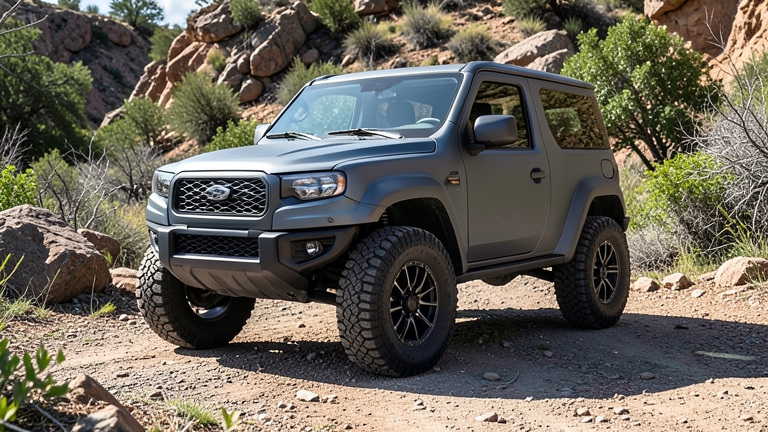
Thula Solutions, a South African automotive startup, has officially launched a purpose-built electric safari vehicle, the ESV 4×4, that promises to redefine wildlife tourism by eliminating the noise, fumes, and—most critically for photographers—the vibration of traditional diesel-powered game viewers. The vehicle is not a conversion of an existing internal combustion platform; it is an electric off-roader engineered from the ground up to operate silently across rugged terrain, offering a level of immersion and technical capability that has been absent from safari fleets for decades.
Why a Vibration-Free Ride Matters for Wildlife Photography
The most immediate and practical advantage of the Thula ESV 4×4 is its vibration-free electric drivetrain. In traditional diesel vehicles, the constant low-frequency rumble of the engine transmits through the chassis, making it difficult to capture sharp, ultra high-definition images, especially when using long telephoto lenses or shooting video at high frame rates. The Thula ESV eliminates this problem entirely. The company explicitly markets the vehicle as enabling “stunning photography opportunities without the distraction of engine vibrations,” a claim that will resonate with professional wildlife photographers, documentary crews, and discerning tourists alike. When combined with the absence of diesel particulate matter in the air, the resulting images will be clearer and crisper, showing animals in a calmer, more natural state, unalarmed by the approach of a noisy vehicle.
Beyond photography, the quiet operation allows for a fundamentally different safari experience. Tour guides and passengers can speak in normal tones without raising their voices over an engine. The soundscape shifts from mechanical noise to the ambient sounds of the bush—bird calls, rustling leaves, and the footsteps of animals. This is the core of what Thula calls a “more fully immersive wildlife experience.” The vehicle does not announce its presence from a distance, allowing for closer and less disruptive encounters with wildlife.
Thula ESV 4×4: Technical Specifications and Purpose-Built Design
The Thula ESV 4×4 is not a makeshift conversion. It is built on a dedicated off-road chassis featuring long-travel four-wheel independent suspension, designed to handle the punishing conditions of game reserves while maintaining passenger comfort. The vehicle is powered by a 225 kW (approximately 302 horsepower) electric motor that drives all four wheels, providing ample torque for climbing, traversing sand, and navigating muddy tracks. The energy is stored in a 65-kWh battery pack.
Thula claims a driving range of approximately 200 kilometers (125 miles) on a single charge. By the standards of passenger electric vehicles, this is a modest figure. However, the duty cycle of a safari vehicle is fundamentally different. Safari drives are typically short, slow-speed, stop-and-go operations that last a few hours per day. The ESV is not designed for highway commuting; it is designed for crawling through reserves, loaded with guests and equipment. Thula asserts that the 65-kWh battery is sufficient for up to three full days of operation between charges. This is a practical and credible claim for a vehicle that operates in a controlled environment with predictable daily routes and return-to-base charging. The range is an intentional design choice, balancing battery weight and cost with the specific operational needs of the safari industry.

How Does the Thula ESV Compare to Converted Diesel Safari Vehicles?
Several companies have attempted to convert existing diesel Land Cruisers or Defenders to electric power for safari use. These conversions often struggle with battery placement, weight distribution, and compromised ground clearance. The Thula ESV avoids these compromises entirely. By designing the vehicle from scratch as an electric 4×4, Thula has been able to optimize the chassis layout for battery integration, suspension geometry, and motor placement. This results in a vehicle that should offer better balance, durability, and off-road capability than a converted platform. The long-travel independent suspension is a key differentiator, designed to maintain wheel contact over uneven terrain, absorbing bumps that would jostle passengers and destabilize camera equipment in a rigid-axle vehicle.
Production, International Expansion, and Testing History
Thula Solutions has been developing the ESV 4×4 for several years. The company posted an impressive testing video to its YouTube channel three years ago, showcasing the vehicle’s off-road capabilities and silent operation in challenging terrain. That early testing phase has now transitioned into series production. According to the company, the ESV has already entered full production, and units have been shipped across South African borders, making Thula an international electric truck brand. The company has used its Facebook page to announce deliveries to customers outside of South Africa, signaling that the ESV is not a prototype or a limited-run project but a commercially available product.
The vehicle is manufactured by Thula Solutions, a South African startup that has been actively pursuing a fossil-free transit agenda. The country itself has set ambitious targets for electric vehicle adoption, and the safari tourism sector, which relies heavily on diesel vehicles, represents a significant opportunity for electrification. The ESV directly addresses the two main complaints about diesel safari vehicles: noise and air pollution. Diesel exhaust in close proximity to wildlife and tourists is not only unpleasant but can also be harmful to animal respiratory systems and human health, particularly in enclosed or slowly moving vehicle convoys.
What Is the Range and Charging Infrastructure for Safari Vehicles?
A commonly asked question is how a 200-kilometer range can be practical for a safari vehicle. The answer lies in the specific operational pattern of game drives. A typical morning or afternoon game drive covers between 30 and 80 kilometers, depending on the size of the reserve and the location of animal sightings. Vehicles return to base after each drive. A single overnight charge is sufficient for at least two full days of driving, and Thula’s claim of three days of operation between charges is plausible for lighter use. Charging infrastructure at lodges and reserve camps is becoming more common as solar installations proliferate in remote African locations. Many luxury safari camps already have substantial solar arrays to power guest facilities, and these can be used to charge the ESV’s battery pack. This creates a virtuous cycle: solar energy powers the vehicle, the vehicle produces zero emissions, and the wildlife experience improves.
The Broader Implications for Safari Tourism and Conservation
The introduction of the Thula ESV 4×4 represents a significant shift for the safari tourism industry. It directly addresses the growing demand for sustainable travel experiences. High-net-worth tourists who book private safaris are increasingly conscious of their environmental footprint. An electric safari vehicle aligns with that expectation. Furthermore, the reduction in noise pollution has conservation benefits. Vehicles that are quieter and less intrusive can approach wildlife more closely without inducing flight responses, allowing for better observation and data collection by researchers. The ability to operate silently also opens up opportunities for nocturnal safaris, where the sound of a diesel engine can be a major disturbance.
The ESV’s capabilities also extend beyond tourism. Scientists, park rangers, and conservation workers can benefit from a reliable, zero-emission vehicle that can operate for extended periods in sensitive ecosystems without introducing noise or pollution. Anti-poaching patrols that move silently and without exhaust emissions have a tactical advantage. The vehicle is therefore not just a tourism product; it is a tool for conservation and research.
That said, the vehicle’s silent operation has already prompted commentary about its potential for hunting applications. The electric drivetrain’s lack of noise and vibration makes it highly effective for stalking, and some observers have noted the “unmistakable ‘better to sneak up on and eventually shoot animals with’ vibes” of the design. This is a double-edged aspect of the technology. While the primary market is clearly photographic tourism and conservation, the same capabilities that make the ESV an excellent camera platform also make it an effective hunting vehicle. This ethical tension is inherent in the design, and it will be up to Thula to control the distribution and use of its vehicles to ensure they are used for conservation and non-consumptive tourism rather than trophy hunting.
Pricing, Availability, and Market Positioning
Thula Solutions has not publicly disclosed a precise price for the ESV 4×4, but purpose-built electric off-road vehicles with a 65-kWh battery pack and 225 kW motor typically command a significant premium over their diesel counterparts. The target market is high-end safari lodges, private game reserves, conservation organizations, and wealthy individual owners. The vehicle is being marketed as a premium, specialized piece of equipment rather than a mass-market utility vehicle. The company’s decision to begin series production and ship units internationally indicates confidence in the demand.
For the safari industry, the ESV represents the first serious, production-ready electric alternative to the Toyota Land Cruiser 70 Series or the Land Rover Defender, which have been the default safari vehicles for decades. The transition will not happen overnight, but the Thula ESV has established a new benchmark. The product’s success will depend on its reliability in harsh conditions, the availability of charging infrastructure at remote lodges, and the willingness of tour operators to invest in new technology. However, the advantages of vibration-free photography, silent operation, and zero emissions are compelling enough that the ESV is likely to find a strong niche, particularly among luxury operators who compete on the quality of the guest experience.
The vehicle’s design philosophy is clear: optimize for the specific use case, ignore the compromises of conversion, and deliver a product that makes the safari better for everyone—the guests, the guides, and the animals. Thula Solutions has demonstrated that it understands the operational realities of the safari industry, and the ESV 4×4 is a convincing answer to the question of how to electrify one of the world’s most iconic and environmentally sensitive transport applications. The next few years will show whether the industry is ready to adopt it at scale, but the technical foundation is sound, and the market logic is becoming increasingly difficult to ignore.