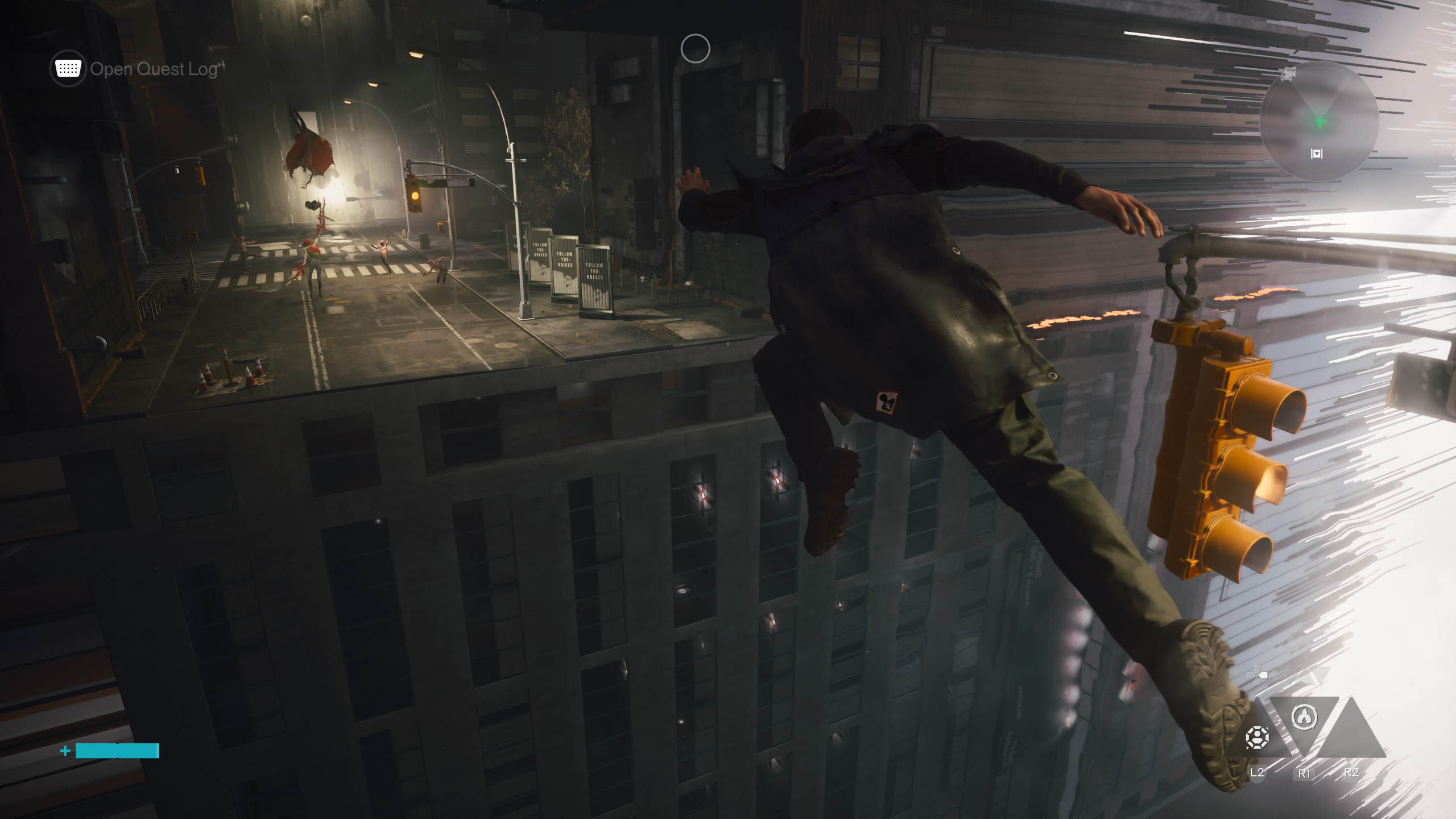
The fast-paced, blood-soaked shooter Ultrakill has unleashed its most ambitious update yet, plunging players into the eighth layer of Hell where reality itself becomes the enemy. The newly released “Fraud” layer represents a significant evolution for the critically acclaimed indie title, moving beyond its established foundations of breakneck movement and visceral combat into psychological and architectural manipulation that challenges fundamental gaming conventions.
Architectural Deception as Core Gameplay Mechanic
Fraud introduces a radical departure from traditional first-person shooter level design by implementing non-Euclidean spaces and perceptual trickery as central gameplay elements. This layer of Hell operates on principles that deliberately subvert player expectations, creating environments where walls shift, distances contract and expand, and spatial relationships follow impossible geometries. The update transforms Ultrakill from a pure action experience into something approaching psychological horror, where the environment actively works against player understanding.
Visual Perception Becomes Unreliable Narrative Device
What makes Fraud particularly innovative is its commitment to the theme of deception at every level. Developer Hakita has implemented visual systems that deliberately mislead players about their surroundings. Doorways that appear to lead forward might actually transport players backward. Corridors that seem straight contain hidden curves. Platforms that appear solid might be illusions, while seemingly empty spaces conceal critical pathways. This creates a constant state of cognitive dissonance where players must question everything they see.
Historical Precedents in Gaming Deception
The concept of deceptive architecture in games isn’t entirely new, but Ultrakill’s implementation represents a significant evolution of these ideas. The update draws clear inspiration from several gaming landmarks while pushing the concept further. Remedy Entertainment’s Control featured the now-legendary Ashtray Maze, a sequence that warped reality in service of narrative. Valve’s Portal series introduced players to thinking with non-traditional spatial relationships. Even classic shooters like DOOM contained secret rooms that played with player expectations of level boundaries.
Technical Implementation of Impossible Spaces
Creating convincing non-Euclidean spaces requires sophisticated technical solutions. The Ultrakill development team has implemented custom rendering techniques and spatial manipulation systems that allow for environments that would be physically impossible in reality. These systems work in tandem with the game’s existing movement mechanics, creating situations where players might use their signature slide-jump combos to navigate spaces that fold in on themselves or connect in paradoxical ways.

Gameplay Implications of Perceptual Warfare
The introduction of deceptive environments fundamentally changes how players approach Ultrakill’s combat. Where previously players could rely on spatial awareness to plan attacks and dodges, they must now contend with environments that actively work against their understanding. Enemy positions become harder to predict when sightlines can’t be trusted. Escape routes might disappear or lead somewhere unexpected. Even basic navigation requires constant verification of spatial relationships.
Combat Adaptation in Unreliable Environments
This environmental deception forces players to develop new combat strategies. The high-speed, precision-based gameplay that defines Ultrakill must now account for spatial uncertainty. Players might find themselves shooting at enemies through portals that connect distant parts of the level, or dodging attacks that come from directions that shouldn’t exist. The update adds a layer of cognitive load that separates experienced players from newcomers, as veterans learn to parse the visual deception more quickly.
Enemy Design Complementing Environmental Themes
The enemies in the Fraud layer have been specifically designed to complement the deceptive environments. Some foes might appear in one location only to attack from another. Others might use the non-Euclidean spaces to their advantage, appearing and disappearing through impossible pathways. This creates combat encounters that feel fundamentally different from those in previous layers, requiring players to adapt not just to new enemy types but to entirely new rules of engagement.
Narrative Integration of Deception Theme
The Fraud layer isn’t just a gameplay gimmick—it’s deeply integrated into Ultrakill’s evolving narrative about the nature of Hell. Each layer of Hell in the game represents a different sin, and Fraud explores deception as both moral failing and existential condition. The environments tell a story about truth and perception, about how reality can be manipulated and how easily we can be misled. This thematic depth elevates what could have been a simple visual trick into something more meaningful.
Player Psychology and Cognitive Dissonance
Playing through Fraud creates a unique psychological experience. The constant deception triggers cognitive dissonance as players’ brains struggle to reconcile what they see with what they know to be possible. This creates moments of genuine surprise and disorientation that are rare in modern gaming. The update plays with expectations in ways that feel fresh and innovative, creating memorable moments that stick with players long after they’ve finished the level.
Accessibility Considerations and Player Guidance
Implementing such radical environmental deception presents significant accessibility challenges. The development team has had to carefully balance disorientation with navigability, ensuring that while players feel deceived, they don’t feel unfairly lost. Subtle visual cues and environmental storytelling help guide players through the most confusing spaces, while the game’s checkpoint system prevents frustration from becoming overwhelming. This careful balancing act makes the deception engaging rather than frustrating.
Community Response and Speedrunning Implications
The Ultrakill community has responded enthusiastically to the Fraud update, with players sharing their experiences of confusion, revelation, and eventual mastery. Speedrunners in particular face new challenges, as traditional route optimization must now account for spatial deception. New categories are emerging for Fraud-specific runs, with players developing strategies to navigate the deceptive environments as efficiently as possible. This demonstrates how the update has expanded rather than replaced the game’s existing appeal.
Technical Achievement in Indie Development
From a technical perspective, Fraud represents a significant achievement for an indie development team. Creating convincing non-Euclidean spaces requires sophisticated understanding of game engines and rendering pipelines. The fact that a relatively small team has implemented these features so effectively speaks to both their technical skill and creative vision. The update sets a new standard for what indie developers can achieve with innovative level design.
Future Implications for First-Person Game Design
The success of Ultrakill’s Fraud layer may influence future first-person game design. Other developers are likely to take note of how effectively environmental deception can create unique gameplay experiences. We may see more games experimenting with non-traditional spaces and perceptual trickery, particularly in genres where player expectations have become somewhat standardized. Ultrakill has demonstrated that there’s still room for innovation in how we navigate virtual spaces.
The lasting impact of Ultrakill’s Fraud update extends beyond its immediate gameplay innovations. It represents a bold statement about the potential for video games to manipulate perception and challenge fundamental assumptions about space and reality. By forcing players to question what they see and how they navigate, the update creates a more engaged and thoughtful play experience. It demonstrates that even in a genre as established as the first-person shooter, there remains vast unexplored territory where creativity and technical innovation can combine to create something truly memorable and transformative for players willing to have their perceptions challenged.