The intersection of politics and entertainment has reached a new frontier as the White House communications strategy increasingly incorporates video game imagery and memes to spread political messages. This development has created an unprecedented dilemma for major gaming corporations, who now face mounting pressure to either distance themselves from this political co-option or risk alienating segments of their player base. The gaming industry, traditionally cautious about overt political stances, finds itself navigating treacherous waters where corporate neutrality may no longer be a viable option.
The White House Meme Strategy Targets Gaming Communities
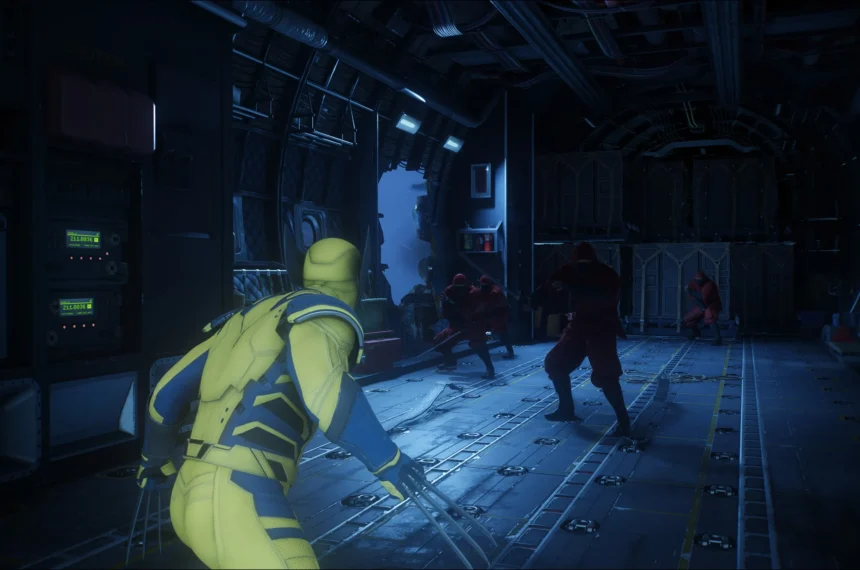
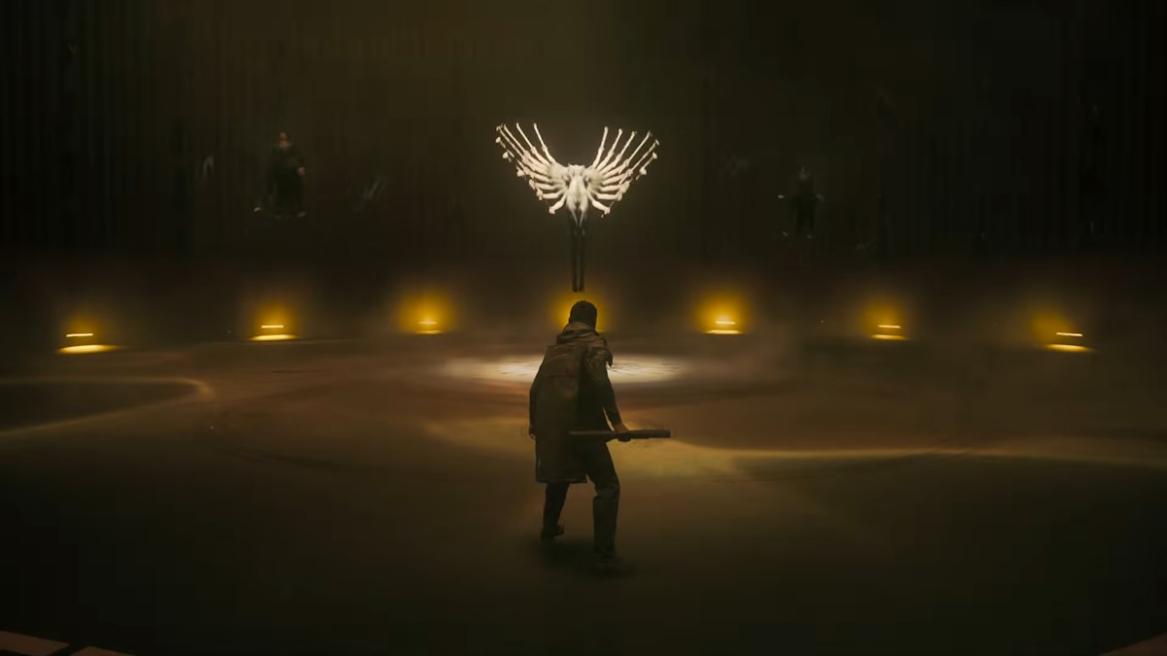
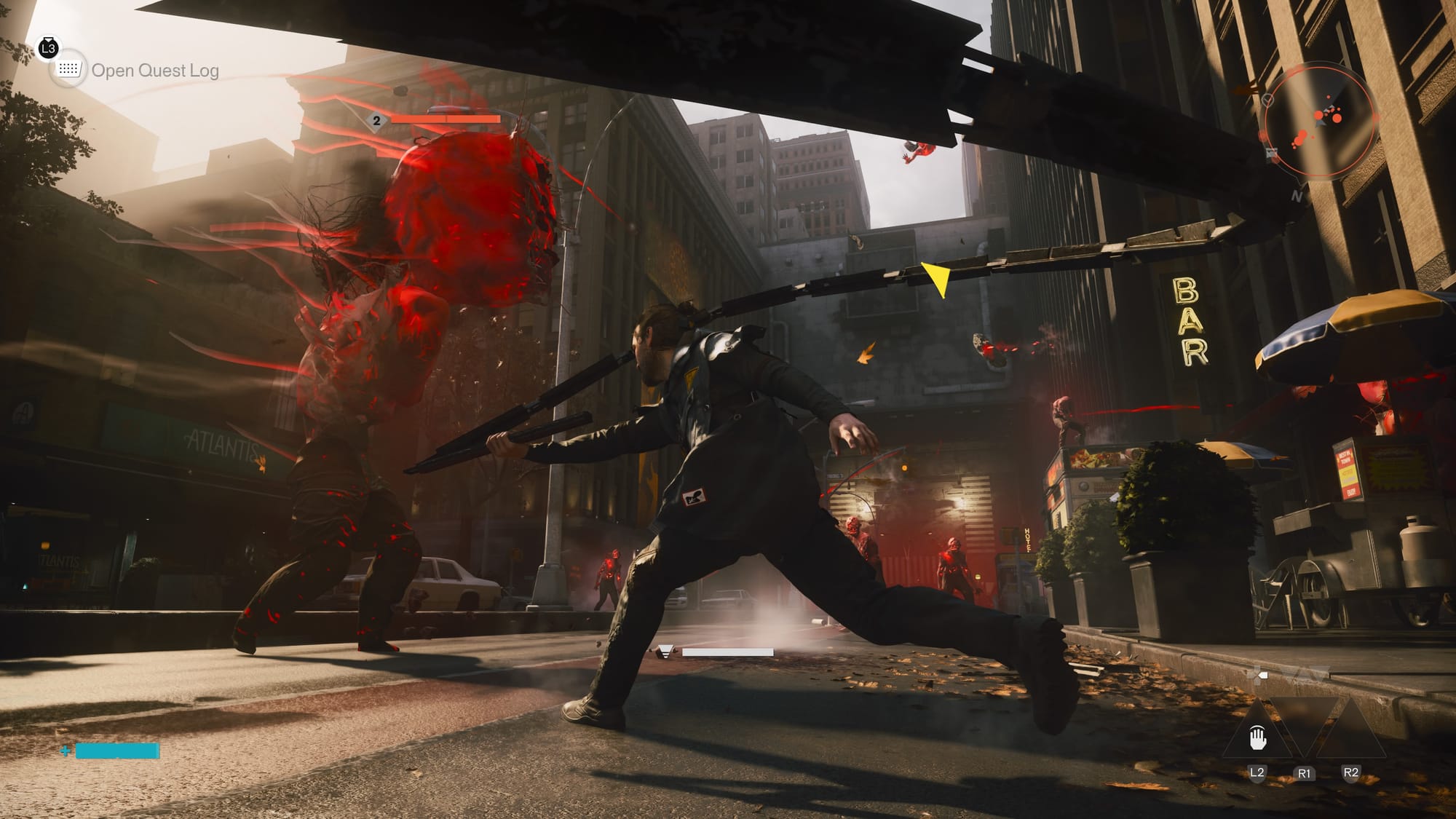
Over recent months, official White House social media channels have systematically deployed video game references and imagery to frame political narratives. These posts typically feature edited screenshots from popular titles, character models superimposed with political figures, or gaming terminology repurposed for political messaging. The strategy appears calculated to resonate with younger demographics who form the core of gaming communities, leveraging cultural touchpoints to bypass traditional media filters.
This approach represents a significant evolution in political communication tactics. Where previous administrations might have used television or radio references, the current strategy directly taps into gaming culture’s visual language and shared references. The memes often employ the aesthetic of popular game genres, from first-person shooters to role-playing games, creating instantly recognizable formats that carry political content into spaces traditionally reserved for entertainment.
Corporate Responses Range From Silence To Strategic Ambiguity
Major video game publishers have responded to this political appropriation with varying degrees of engagement. Several industry giants have maintained complete silence, neither endorsing nor condemning the use of their intellectual property in political messaging. This corporate reticence reflects the industry’s historical preference for avoiding partisan entanglements, prioritizing broad market appeal over political positioning.
The Legal Gray Area Of Political Fair Use
The legal landscape surrounding this issue remains murky. While copyright law protects game developers’ intellectual property, political communication often operates under expanded fair use provisions. Companies must weigh the potential public relations backlash of legal action against the perceived endorsement of allowing their properties to be used without objection. This creates a strategic bind where any action—or inaction—carries significant political and commercial implications.
Gaming Communities React With Divided Opinions
Player responses to the political use of gaming imagery have fractured along predictable lines. Some communities have embraced the memes as clever cultural commentary, while others view them as inappropriate politicization of entertainment spaces. Online forums and social media platforms have become battlegrounds where these conflicting perspectives clash, with moderators struggling to maintain neutral ground in increasingly polarized discussions.
The division reflects broader societal tensions about the appropriate boundaries between entertainment and politics. Many players argue that gaming should remain an apolitical escape from real-world conflicts, while others contend that all cultural products inevitably carry political dimensions. This fundamental disagreement about gaming’s social role complicates corporate decision-making, as companies attempt to satisfy conflicting customer expectations.
The Economic Calculus Of Political Neutrality
For publicly traded gaming companies, the financial implications of taking any political stance are substantial. Market analysts suggest that overt political positioning could alienate significant portions of the player base, potentially impacting quarterly earnings and shareholder value. This economic reality creates powerful incentives for continued neutrality, even as external pressure mounts for clearer corporate positioning.
The global nature of the gaming market further complicates this calculus. While political tensions might center on domestic American politics, gaming companies serve international audiences with diverse political perspectives. A statement that resonates positively with one national market might provoke backlash in another, creating a multinational balancing act that favors continued ambiguity.
The Historical Context Of Entertainment Industry Politics
The gaming industry’s current predicament mirrors historical moments when other entertainment sectors faced political pressure. The film industry’s experiences during various political eras, from McCarthyism to more recent controversies, provide instructive parallels. Like movie studios before them, game companies must navigate the tension between artistic expression, commercial interests, and political realities.
Precedents From Music And Film Industries
The music industry’s response to political co-option offers particularly relevant case studies. When political campaigns have used songs without artists’ permission, responses have ranged from lawsuits to public condemnations to strategic silence. These precedents suggest that gaming companies have multiple potential pathways, each with different risks and rewards depending on their specific corporate values and market position.
The Ethical Dimensions Of Corporate Responsibility
Beyond legal and commercial considerations, the situation raises profound ethical questions about corporate responsibility in polarized political environments. As gaming becomes increasingly central to cultural discourse, companies must consider whether neutrality constitutes an ethical position or an abdication of responsibility. This debate touches on fundamental questions about the relationship between commerce, culture, and politics in the digital age.
The Technical Challenges Of Content Moderation
The proliferation of politically charged gaming memes presents practical challenges for platform moderation. Social media companies and gaming forums must develop consistent policies about political content that uses gaming imagery. These decisions involve complex judgments about parody, fair use, and community standards that vary across jurisdictions and cultural contexts.
Automated content moderation systems struggle particularly with this category of content, as they must distinguish between political commentary and entertainment while accounting for nuanced cultural references. This technical challenge has led to inconsistent enforcement, with similar content receiving different treatment depending on platform, region, and specific moderators.
The Future Of Political Communication In Digital Spaces
The White House’s gaming meme strategy likely represents only the beginning of political adaptation to digital culture. As virtual and augmented reality technologies mature, and as gaming continues to influence broader cultural trends, political communicators will increasingly mine these spaces for resonant imagery and narratives. This trajectory suggests that the current challenges represent not a temporary anomaly but a permanent feature of the digital political landscape.
Potential Regulatory Responses And Industry Standards
Industry organizations might develop standards or best practices for handling political use of gaming content. These could include guidelines for attribution, disclaimers about non-endorsement, or mechanisms for creators to opt out of political usage. Such standards would require unprecedented cooperation across competitive companies, but could provide clearer frameworks for navigating these complex issues.
The Player-Developer Relationship In Politicized Contexts
This situation tests the fundamental relationship between game developers and their communities. Players increasingly expect transparency and ethical consistency from the companies whose products they support. When those companies’ intellectual property becomes political footballs, players look for clear communication about corporate values and boundaries. This dynamic creates pressure for more explicit positioning than many companies feel comfortable providing.
The trust between developers and players, built over decades through shared experiences and cultural moments, faces new stresses in this politicized environment. Companies must balance this relational capital against the risks of political entanglement, knowing that either choice—engagement or avoidance—will inevitably disappoint some portion of their community.
The Global Implications For Cross-Cultural Gaming
As gaming transcends national boundaries, political uses of gaming content create international diplomatic considerations. Imagery that plays well in one political context might offend or confuse audiences in others, particularly in markets with different political systems or cultural values. Gaming companies with global aspirations must develop sophisticated approaches to these cross-cultural challenges, recognizing that political neutrality might mean different things in different contexts.
The gaming industry stands at a crossroads where entertainment, technology, and politics intersect with unprecedented intensity. As political communicators increasingly mine gaming culture for resonant imagery, companies must navigate complex decisions about intellectual property, corporate responsibility, and community relationships. These decisions will shape not only individual corporate fortunes but the broader relationship between gaming culture and political discourse for years to come. In this evolving landscape, the most successful approaches will likely be those that recognize gaming’s cultural significance while maintaining the creative integrity that made these cultural touchpoints worth appropriating in the first place.