Bungie’s long-awaited extraction shooter, Marathon, has launched across PC and consoles, but its initial reception on the critical aggregator Metacritic has been stark. The game has debuted with a user score of 4.7, a figure that places it among the lower-rated major releases of recent years. This score comes primarily from player feedback, as official critic reviews have been notably absent from the platform due to a developer request for delay.
The Core of Player Criticism: UI and Gameplay Loop
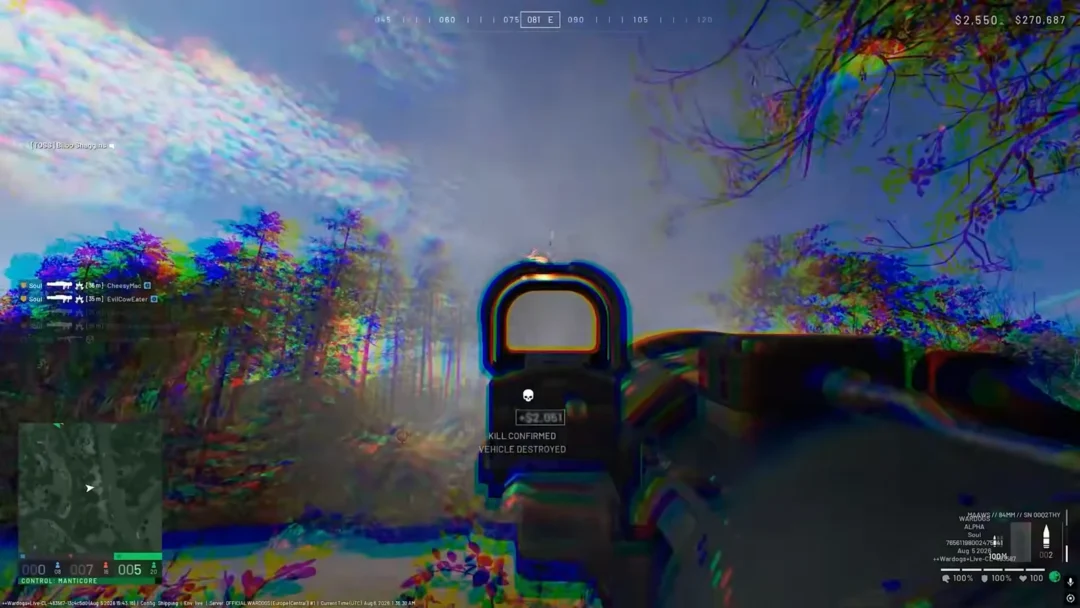
The majority of negative user reviews on Metacritic converge on two primary issues: the game’s user interface (UI) and its perceived gameplay loop. Players have described the UI as confusing, cluttered, and obstructive, claiming it makes fundamental actions like inventory management, mission tracking, and understanding in-game information unnecessarily difficult. This design flaw, according to many reviews, creates a barrier to enjoyment that persists throughout the experience.
A Game That Loses Its Appeal
Beyond the interface problems, a significant number of players report that Marathon’s core extraction shooter loop becomes repetitive and uninteresting after only a few hours of play. The cycle of entering a match, gathering resources, and attempting to escape—central to the genre—is cited as failing to introduce enough variation or compelling progression to sustain long-term engagement. This sentiment suggests that while the foundational mechanics are present, they may lack the depth or innovation needed to stand out in a increasingly competitive market.
The Paradox of Steam Reception
In contrast to the Metacritic user score, Marathon’s performance on Steam presents a more positive, albeit complex, picture. The game achieved a peak concurrent player count below 100,000, a figure that, while not record-breaking, indicates a solid initial turnout. More strikingly, the game currently holds an “Extremely Positive” approval rating on the platform, with over 90% of user reviews being favorable. This stark divergence between Metacritic and Steam highlights the potential variability in player sentiment across different platforms and reviewing communities.
PlayStation Store Shows Stronger Performance
The console reception, particularly on the PlayStation Store, also tells a different story. Marathon has garnered a user score of 4.7 out of 5 on that platform, a significant improvement over its average rating during the open beta phase. This indicates that the experience may be resonating more strongly with a dedicated console audience or that the issues flagged on Metacritic are less pronounced or differently perceived in that ecosystem.

The Absence of Critical Reviews
A notable element of Marathon’s launch is the deliberate absence of professional critic scores on Metacritic. Bungie has formally requested that reviewers and outlets withhold their scored evaluations and official reviews until late March. The stated rationale is that the game will receive a substantial content update at that time, and the developer believes the initial launch version is not the complete product upon which a final judgment should be made. This strategy is uncommon but reflects a desire to control the critical narrative and potentially secure more favorable reviews based on a more fleshed-out experience.
Commercial Performance and Industry Expectations
From a commercial standpoint, Marathon has shown mixed signals. It failed to reach Sony’s internal expectations for concurrent players at launch, yet it managed to secure a place in the top 10 of the Steam best-sellers chart. This positioning demonstrates that there is significant consumer interest and purchasing activity, even if the day-one player engagement metrics were not as high as anticipated. The game has clearly avoided the fate of titles like Concord, which faced immediate commercial collapse, but its path to sustained success remains uncertain.
The Context of Development and Public Perception
Marathon’s journey to launch has been fraught with public controversy and developmental challenges. Over the past year, reports of internal turmoil at Bungie, shifts in creative direction, and concerns about the game’s vision have created a backdrop of skepticism. For a title whose public relations narrative has been dominated by negative leaks and rumors, a strong critical and user reception at launch was seen as essential to reversing that momentum and establishing a foundation for growth. The current Metacritic user score suggests that this reversal has not yet materialized.
The Role of Metacritic in Modern Game Launches
Metacritic user scores, while often volatile and subject to review bombing, have become a significant barometer of early player sentiment in the digital age. A low score can influence potential buyers, shape media discourse, and impact a game’s perceived longevity. For Marathon, a score of 4.7 at debut places it under a harsh spotlight, regardless of the more positive data from other platforms. It creates an immediate narrative of disappointment that the developer and publisher must now work to overcome.
The Future Path for Marathon
The immediate future for Marathon hinges on several factors: the response to the late March content update, the eventual publication of professional critic reviews, and the game’s ability to retain its initial player base. Bungie’s decision to delay reviews is a gamble that the additional content will materially improve the experience and justify higher scores. Meanwhile, the studio must address the UI criticisms swiftly, as such fundamental usability issues are often prioritized in post-launch patches. The disparity between platform receptions also suggests that targeted improvements and communication could help align the overall perception.
The launch of Marathon is a reminder that in today’s market, a game’s first impression is multifaceted, spread across multiple platforms and metrics. A low Metacritic user score can cast a shadow, but concurrent player figures, store-specific ratings, and sales charts paint a more nuanced picture. For Bungie, the task now is not just to fix what players are criticizing but to bridge the gap between these differing perceptions, crafting a unified narrative of quality that can support the game’s ambitions as a live-service title. The coming months, culminating in the late March review embargo lift, will determine whether this initial 4.7 is a temporary stumble or a lasting stain on the game’s record.