Vertigo Games has officially announced a complete remake of the legendary 1993 puzzle-adventure title, The 7th Guest. The project, currently in development, is slated for release later in 2026 across a wide range of modern platforms, including Windows PC via Steam, GOG, and the Epic Games Store, as well as PlayStation 5, Xbox Series X|S, and Nintendo Switch. This announcement marks a significant revival for a game often credited with popularizing the CD-ROM format and pushing the boundaries of interactive horror storytelling.
A Foundational Title Returns with Modern Technology
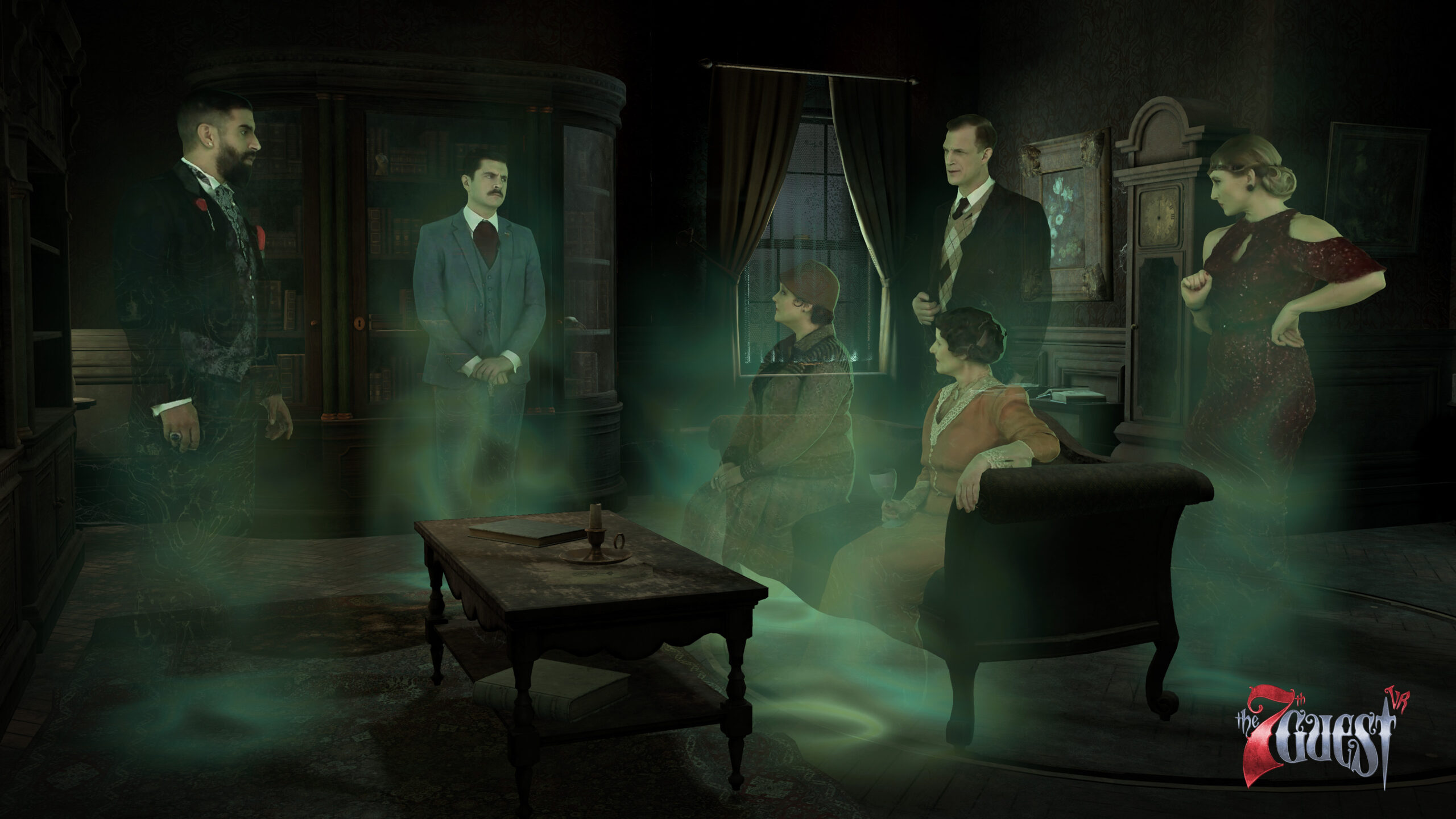
The original The 7th Guest, developed by Trilobyte and published by Virgin Interactive, was a landmark release. It was one of the first games designed specifically for the then-emerging CD-ROM technology, utilizing full-motion video (FMV), digitized actors, and high-quality audio to create an immersive haunted house experience. Players explored the sinister mansion of the deceased toy maker Henry Stauf, solving logic puzzles and uncovering a dark narrative to discover which of the six invited guests was the mysterious titular seventh. Its success spawned a sequel, The 11th Hour, and cemented its place in gaming history.
From Pixelated FMV to Modern Real-Time Rendering
The core promise of the remake is a complete visual overhaul. The original’s pre-rendered, low-resolution video sequences, while groundbreaking for 1993, are dated by today’s standards. Vertigo Games is rebuilding Stauf’s mansion and its ghostly inhabitants using contemporary real-time rendering technology. This shift from FMV to a fully interactive 3D environment promises several key improvements. Players will enjoy higher resolutions, smoother animations, and potentially more dynamic lighting and camera control, all while preserving the game’s iconic Gothic atmosphere and cinematic feel.
Early indications suggest the development team aims to maintain the original’s chilling aesthetic—the grand, empty halls, the eerie toy shop, and the ghostly visages of the characters—but with a level of detail and fidelity impossible in the early 90s. The goal is not to create a different game, but to present the same classic experience through a modern lens, making it accessible and visually compelling for a new generation of players.
Platform Strategy and Broad Accessibility
The decision to launch on PC and all major current-generation consoles underscores a commitment to maximum accessibility. By releasing on Steam, GOG, and the Epic Games Store, Vertigo Games caters to the diverse PC gaming market, including DRM-free enthusiasts through GOG. The simultaneous console release on PlayStation 5, Xbox Series X|S, and Nintendo Switch is particularly notable. It ensures that whether players prefer high-fidelity performance on powerful hardware or the portable convenience of the Switch, they will have access to the remake.

Puzzle Design: Preservation vs. Modernization
One of the most critical questions surrounding any remake of a puzzle-centric game is how the core gameplay will be handled. The 7th Guest was famous (and sometimes infamous) for its challenging and often abstract logic puzzles. Will the remake preserve these puzzles exactly as they were, warts and all, for the sake of authenticity? Or will the developers refine, rebalance, or even replace some puzzles to align with modern design sensibilities and player expectations?
A likely approach is a hybrid model. The most iconic and well-regarded puzzles are expected to return, perhaps with updated visuals and interfaces. Others might receive subtle tweaks to improve clarity or fairness. The developers may also incorporate optional hint systems or difficulty adjustments, features that were uncommon in the original’s era but are now standard in the adventure game genre. The integrity of the puzzle-solving journey—the feeling of piecing together the mansion’s secrets—will be paramount.
The Legacy and Cultural Impact of The 7th Guest
To understand the significance of this remake, one must appreciate the original’s impact. The 7th Guest was a commercial phenomenon, selling over two million copies and becoming a killer app for CD-ROM drives. It demonstrated the potential of multimedia in games, blending live-action footage, 3D environments, and a compelling narrative in a way few titles had attempted. Its success helped pave the way for an entire genre of FMV-based adventure games throughout the mid-to-late 1990s.
Narrative and Horror Elements in a New Era
The game’s story, delivered through ghostly video clips and environmental storytelling, was a masterclass in slow-burn horror. It relied on atmosphere, mystery, and psychological unease rather than jump scares. The remake faces the challenge of translating this specific, performance-based horror into a new graphical paradigm. The actors’ original performances are integral to the game’s charm; whether the remake uses the original FMV as a reference for new performances, employs advanced motion capture, or finds another solution will be a key factor in retaining the title’s unique spirit.
Furthermore, the narrative structure—non-linear exploration of the mansion, triggered story events, and the overarching mystery of the seventh guest—must be preserved. Modern game design often favors more guided experiences, but the sense of free exploration and discovery within Stauf’s mansion was a core part of the original’s appeal. Balancing that open structure with contemporary pacing expectations will be a delicate task for the developers at Vertigo Games.
Vertigo Games’ Proven Track Record
The project is in experienced hands. Vertigo Games, known for titles like Arizona Sunshine and the VR port of The 7th Guest VR (a separate, VR-specific experience released earlier), has demonstrated expertise in both horror and adapting classic experiences for new technology. Their prior work with the IP suggests a deep respect for the source material and an understanding of what made it special. This is not a studio unfamiliar with the property; they have already grappled with modernizing its presentation in virtual reality, which may inform their approach to this full-scale, non-VR remake.
Market Context and the Resurgence of Classic Adventures
The announcement arrives during a sustained resurgence of interest in classic adventure games and retro remakes. Successful projects like the remakes of Shadow of the Colossus, Demon’s Souls, and System Shock have shown there is a substantial market for thoughtfully modernized versions of beloved classics. The 7th Guest occupies a unique niche within this trend, representing a pivotal moment in gaming’s technological evolution. Its remake appeals not only to nostalgic fans but also to historians and curious players who have heard of its legend but may find the original’s technical limitations a barrier to entry.
The 2026 release window provides Vertigo Games with ample development time. This suggests an ambition for a comprehensive, high-quality production rather than a quick visual upgrade. The timeframe allows for thorough testing of puzzles, refinement of the new visual style, and ensuring the game performs optimally across all targeted platforms, from high-end PCs to the hybrid hardware of the Nintendo Switch.
As the gaming industry continues to revisit and revitalize its foundational titles, The 7th Guest stands as a prime candidate for such treatment. Its blend of horror, puzzle-solving, and narrative ambition left an indelible mark. The forthcoming remake from Vertigo Games represents a bridge between gaming’s multimedia past and its high-fidelity present, offering a chance to relive a classic nightmare with a fresh pair of eyes. The doors to Stauf’s mansion are being polished and re-hung, ready to creak open once more in 2026, inviting a new generation to solve its mysteries and discover who—or what—the seventh guest truly is.