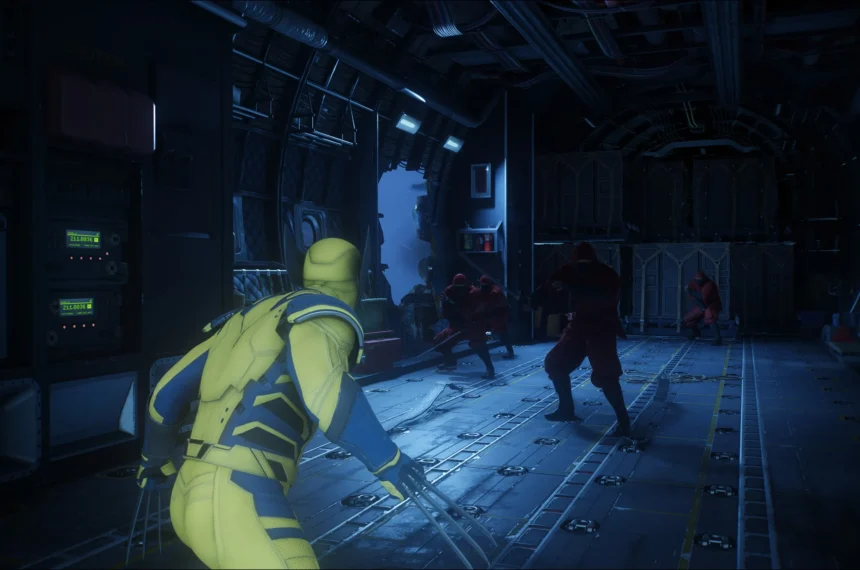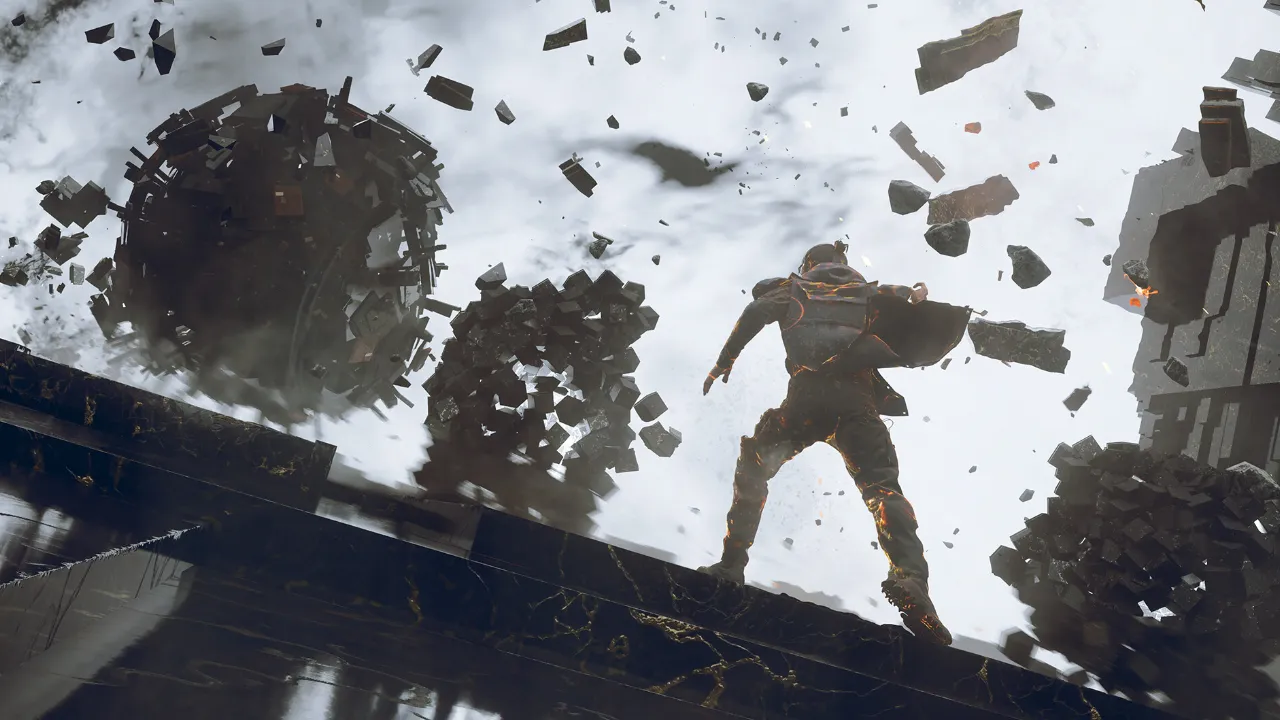
AAA studios have more or less abandoned action games that prioritize style, spectacle, and deep combat systems. Fortunately, smaller independent developers are stepping in to fill this void, and Morbid Metal from SCREEN JUICE exemplifies the kind of innovative, experimental project that deserves greater attention. Based on an early access build, the game presents a compelling foundation with significant potential, showcasing brutal survival horror gameplay wrapped in a stylish, fast-paced roguelite structure.
Character Switching as the Core Combat Innovation
The foundational loop of Morbid Metal follows a familiar roguelite template akin to titles like Hades. Players navigate through combat arenas, collect rewards and incremental upgrades during a run, and accumulate persistent currency to unlock permanent bonuses for subsequent attempts. This meta-progression framework is reliable, but Morbid Metal distinguishes itself not through randomness or progression systems, but through the intrinsic depth of its combat mechanics. Each character possesses a robust base kit, allowing the roguelite elements to enhance an already engaging system rather than define it.
The pivotal innovation is the real-time character switching mechanic. Players can swap between available characters instantaneously—during combat, while traversing, mid-air, or grounded. This seamless interoperability transforms the combat dynamic, enabling creative combo extension and strategic flexibility. Each character contributes unique utilities: for example, Ekku features a launcher attack, while Flux can blink directly toward targets. A basic sequence might involve launching an enemy with Ekku, switching to Flux to blink into proximity for follow-up strikes or a special ability, then switching back to Ekku for a finishing downward thrust. This represents only a foundational example; the system encourages extensive experimentation.
While specializing in a single character can yield higher damage output through focused build synergy, the most exhilarating and stylish combat encounters emerge from mixing and matching abilities across the roster. This freedom is central to the game’s identity.
Traversal and Environmental Navigation
Movement within Morbid Metal is swift and unrestricted, lacking a stamina bar and offering responsive mobility options. Skilled players can rapidly traverse entire biomes within minutes. However, environmental navigation presents a current challenge. The visual design of areas can feel repetitive, making it difficult to distinguish which paths lead to valuable upgrades or critical objectives. The implementation of a mini-map system, perhaps inspired by the clarity of Returnal’s HUD map, would significantly improve the user experience without compromising the pace.
Control complexity is intentionally moderated. The system eschews directional attacks, intricate input sequences, or intimidating mechanical layers, opting for an accessible yet deep approach that prioritizes fluid action over technical barrier.
Combat System Nuances and Early Access Considerations
Certain combat design choices introduce friction within the otherwise stylish flow. In established action franchises like Devil May Cry and Bayonetta, a common design principle prevents enemies from attacking from outside the player’s view. This allows developers to craft more aggressive enemy behaviors without generating perceptions of unfairness. Morbid Metal does not universally feel unfair, but some adversaries employ projectile attacks, and managing threats originating off-screen can prove frustrating despite the presence of an incoming damage indicator. This parallels a mechanic present in recent God of War titles, where enemies maintain attack states even when not visually focused, an approach that may not align with all player preferences.
Special Ability Cooldowns and Dodging Windows
The cooldown system applied to special abilities also warrants examination. Many hallmark action games reserve cooldowns for ultimate or supremely powerful attacks, keeping standard specials readily available to maintain combo momentum. In Morbid Metal, the application of cooldowns to standard specials can intermittently limit stylish chain potential, as players must actively manage timers amidst combat. Conversely, the telegraph windows for enemy attacks, which enable perfect dodges, currently feel excessively generous. A slight tightening of these reaction windows could elevate the skill-based reward and intensify combat satisfaction.
It is crucial to contextualize these observations within the Early Access Development and Sets Full Launch for April”>early access development phase. Each noted area represents an opportunity for refinement and tuning. Even with these considerations, Morbid Metal is evidently evolving into a robust action experience: accessible to pick up, rich in combo potential, and populated with characters whose playstyles generate authentic enjoyment.
Launch Details and Project Trajectory
Morbid Metal is scheduled to launch into early access on April 8, 2026. The project is currently available for wishlisting on Steam. This early access period will be instrumental in addressing the nuanced combat feedback, enhancing environmental navigation, and polishing the overall experience based on community input.
As the action genre landscape continues to shift, projects like Morbid Metal underscore the vital role of independent studios in pursuing stylistic and mechanical experimentation. By centering its identity on seamless character switching and accessible yet deep combat, the game carves a distinct niche. The early access build reveals a compelling core that, with targeted refinements to off-screen threats, ability cooldowns, and navigational aids, has the clear potential to mature into a standout title that delivers brutal survival horror gameplay wrapped in a relentlessly stylish and interactive package.