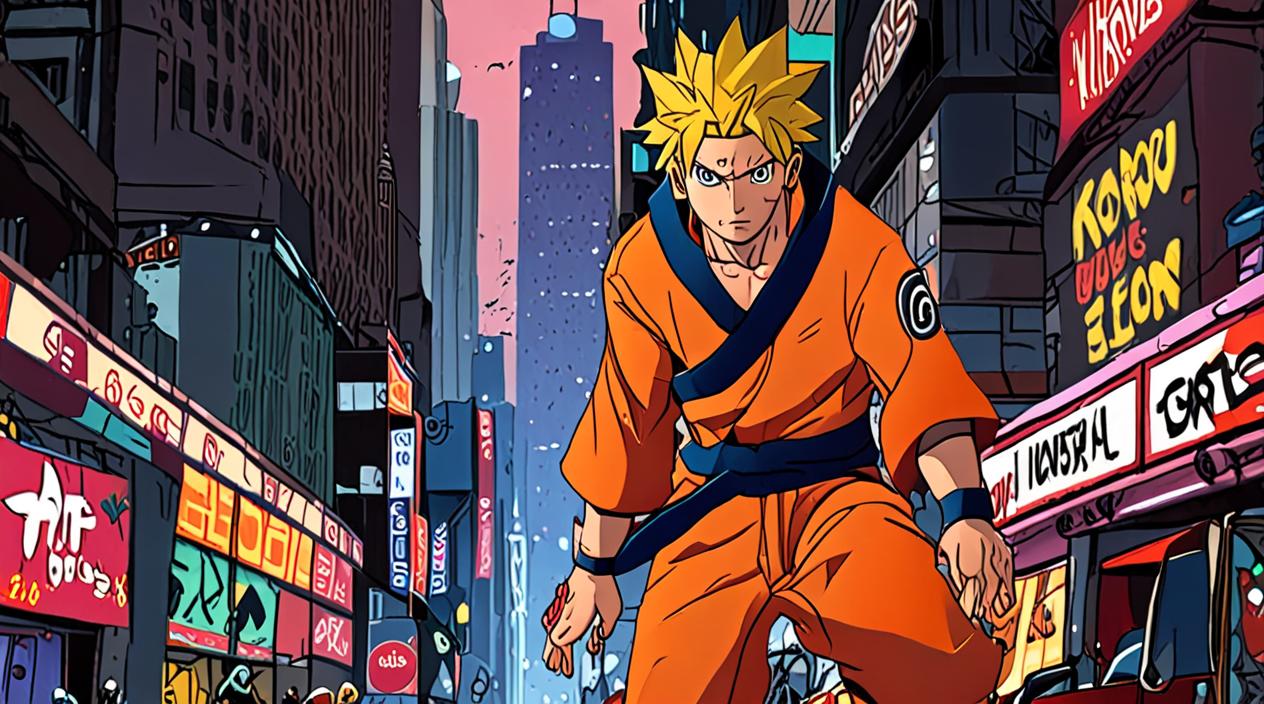
The lines between fandom, competition, and spectacle have blurred beyond recognition. Audiences who consume anime, video games, and esports no longer separate the rituals: they watch a League of Legends grand final, dissect a new season trailer, order a figurine, and scroll through cosplay clips all in the same afternoon. Esports and anime turn competition into digital spectacle by fusing narrative aesthetics with high-stakes results. This convergence is not a trend but a new cultural default, where a stunning visual style opens the door and a tense scoreboard keeps eyes locked on the screen.
Anime Expo 2026 and the Grand Stage of Worlds 2025
Large-scale events continue to anchor this hybrid culture. Anime Expo 2026 has locked its dates for July 2 to 5 in downtown Los Angeles, maintaining its status as a premier gathering for Japanese pop culture in North America. In parallel, the competitive scene reached a massive audience with Worlds 2025, where T1 defeated KT Rolster 3-2 in Chengdu, adding another monumental chapter to Faker’s legendary career. These events draw millions not solely for the outcome, but for the shared language of narrative, aesthetic, and measurable victory. The spectacle offers color; the competition provides a scoreboard. And when the scoreboard tightens, the conversation sharpens into precise analysis.
Aesthetics Capture Attention, Competition Keeps It
Anime delivers characters, visual worlds, and a sense of cultural belonging; esports injects measurable tension. A fan might arrive through a mecha-style illustration or a Riot Games music collaboration, but they stay when a best-of-five series reaches a fifth map or a team alters the draft at a critical moment. The Worlds 2025 final between T1 and KT worked because it combined the deep-rooted Korean rivalry, Faker’s enduring narrative, and a result that remained uncertain until the 3-2 finish. A revealing detail lies in the audience’s reaction: when the series stood at 2-2, every pick in the final map was interpreted as an omen, not a simple champion selection. The visual spectacle invites the audience in; the competition forces them to watch until the final moment.
Shared Rhythms in Digital Leisure
Anime and gaming communities are accustomed to fragmented consumption: 23-minute episodes, 15-second clips, quick matches, and live events with simultaneous chat streams. This pattern explains why certain classic slot games maintain relevance on mobile platforms, provided the user understands the rules and limits before playing. This digital habit aligns with the mechanics of titles like Joker’s Jewels from Pragmatic Play, a 5×3 grid game featuring payouts up to 1,040x and bonus symbols that pay between 10x and 250x. The connection is not about marketing the game as part of anime culture, but recognizing a shared habit of fast, visual, digital entertainment. The official published RTP stands at 96.50%, a useful figure for understanding theoretical return, not a prediction for any single session. Variance still dictates the experience.
Valorant Champions 2025 and the Language of the Event
Valorant Champions 2025 demonstrated how esports has adopted spectacle language familiar to convention culture. The grand final in Paris saw NRG defeat Fnatic 3-2 at the Accor Arena, with a map veto that left Sunset as the decisive fifth map and an audience that pushed every retake as if it were a season finale. The visual language is critical: recognizable agents, skins, music, casters, and massive screens transform a 40-second round into a shared moment. Yet the competitive data remains unforgiving: economy management, ultimate usage, site control, and rotation reading. A 1v3 clutch can go viral, but a team wins a tournament by repeating correct decisions across five maps. Emotion requires a structural foundation.

The Mathematics Behind the Space Theme
Space-themed slots perform well among digital audiences because they combine simple iconography with fast visual rewards. Cosmic Cash, also from Pragmatic Play, uses a 5×4 grid with aliens, blasters, UFO wilds, and 40 paylines, alongside a respin feature triggered by six or more money symbols. The game maintains rapid action with multipliers, jackpots, and free spin rounds, but it demands reading the volatility and bet size before each session. The sci-fi aesthetic can resonate with tastes close to anime and gaming, but the underlying mathematics of the slot does not change based on visual affinity. A disciplined user reviews the rules, the RTP, and their bankroll before letting the animations take over. Speed entertains; the bankroll sets the boundary.
The Community Decides What Becomes Memorable
Digital competition generates concrete memories: Faker with another trophy, NRG closing a long series in Paris, fans lining up early for Anime Expo, and a chat exploding after a near-impossible round. This mixture works because anime and esports do not live by results alone. They thrive on characters, teams, gestures, and scenes that the community repeats until they are exhausted. Casino games occupy a distinct space, closer to the visual leisure of short sessions, without taking the central role held by stories, players, and rivalries. Attention holds when there is rhythm, risk, and a visible consequence on screen. In a digital community, the scoreboard matters, but the clip that someone forwards hours later often survives longest.