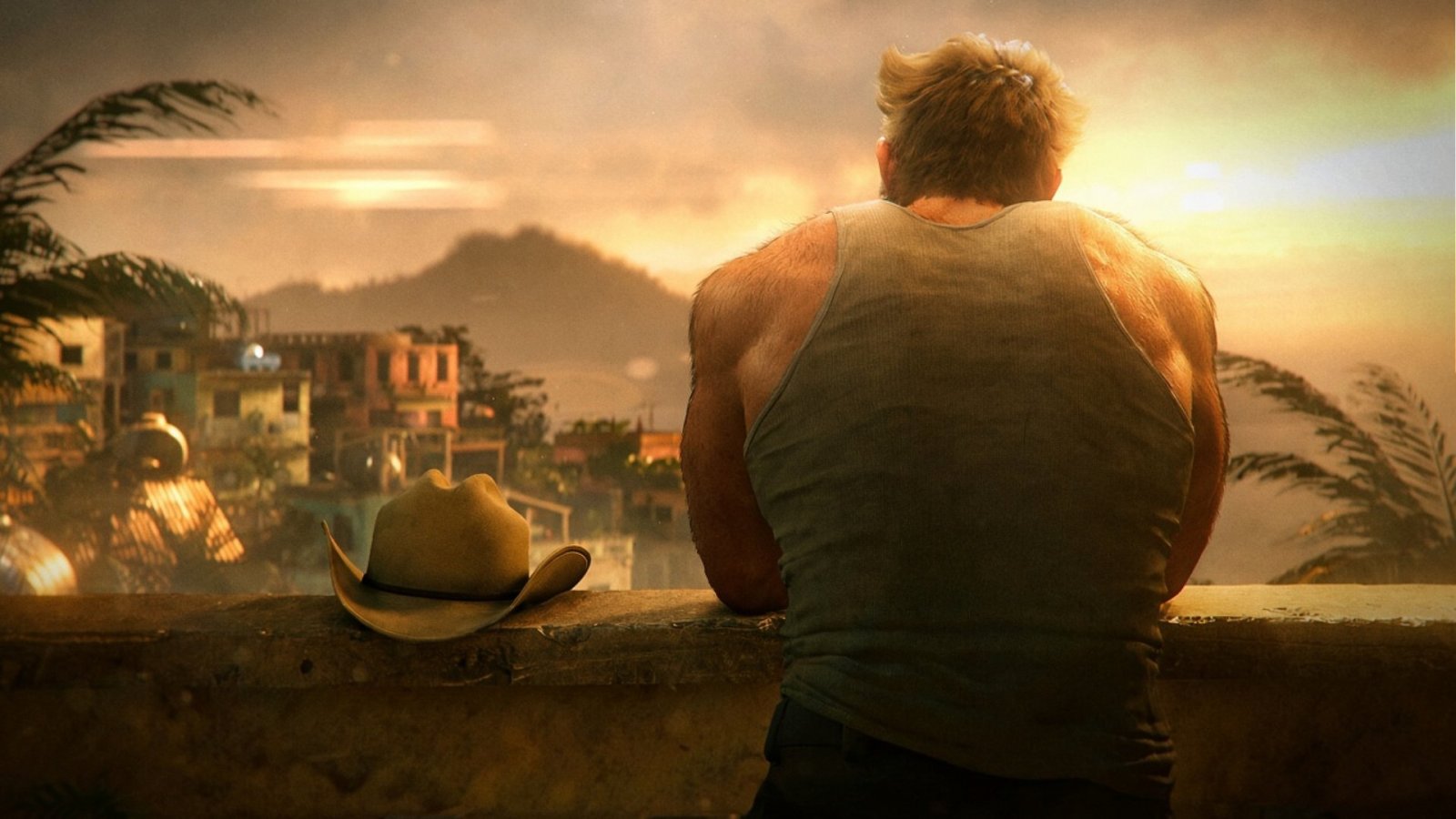
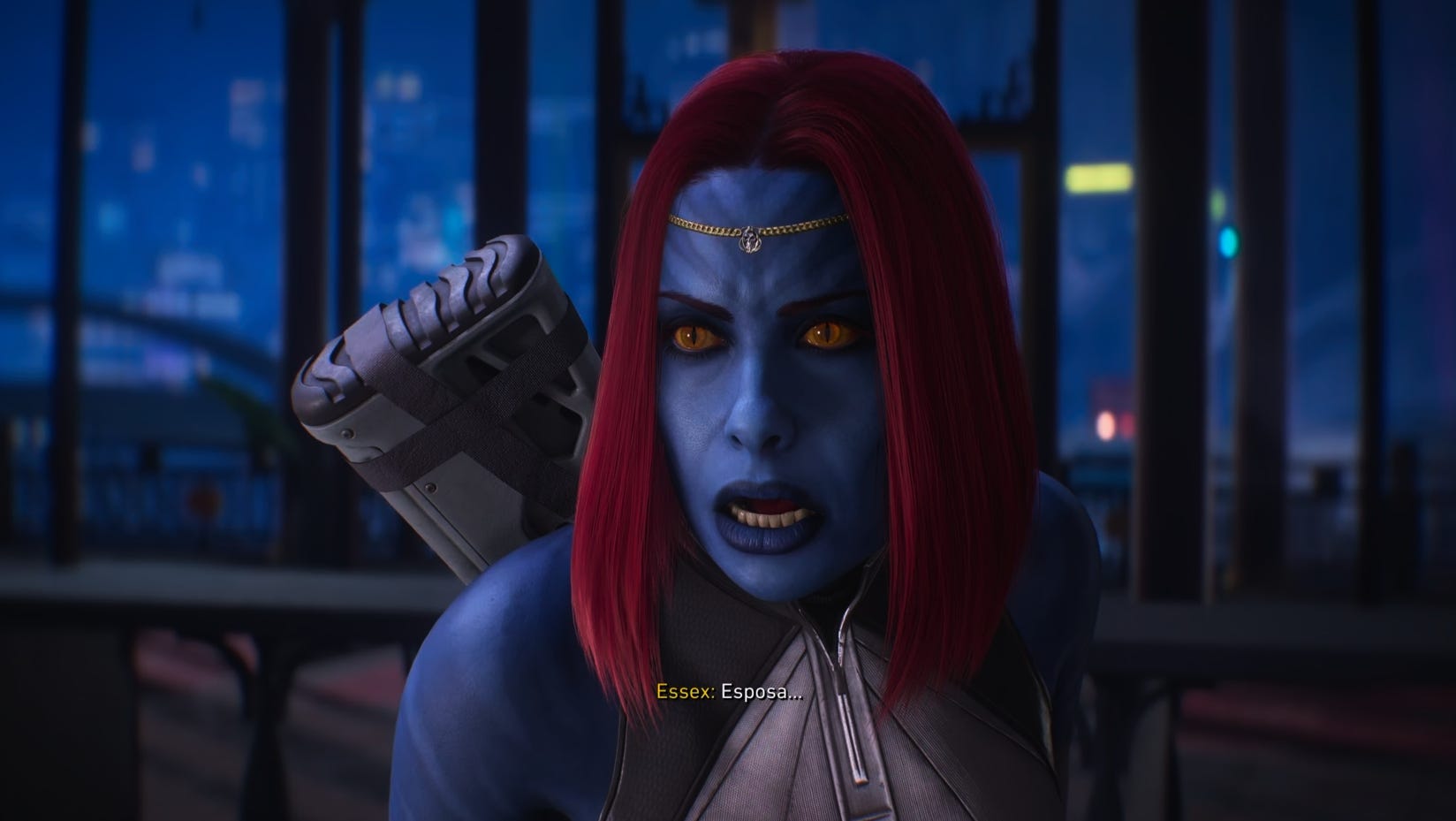
Insomniac’s Marvel’s Wolverine lands on PS5 with a story that takes most players around 15 hours to finish. A platinum run adds maybe another hour or two. That’s it. And for a $70 flagship release, that’s a problem most reviewers dance around but rarely state outright. Let’s state it: the game’s length is a genuine flaw, not a feature, and it undermines the value proposition for anyone who isn’t a die-hard X-Men fan.
The Numbers – No Padding, No Excuses
Multiple sources confirm the same range. One player reports finishing the main story in “just under 15 hours” and spending another hour and a half cleaning up trophies. Another player platinum the game in 16 hours total. A third mentions they “finished the story in just under 15 hours and spent another hour and a half to clean up.” Even an optimistic completionist run clocks in around 20 hours.
At $70, you’re paying for a quality appetizer when you could get a full meal elsewhere.
Compare that to Marvel’s Spider-Man 2 (roughly 17-25 hours for 100%), God of War Ragnarök (35-50 hours), or any other major Sony exclusive. Wolverine sits firmly on the short end. The linear structure leaves no room for open-world exploration, no dense side quests, and only a handful of optional nightmare challenges that add maybe 2-3 hours total. The collectibles (whiskey bottles and material crates) are glorified scavenger hunts that barely add playtime.
Why Length Matters for Value
The standard argument is that quality trumps quantity. Wolverine delivers a tight, polished, violent narrative that respects your time. That’s true. But “respecting your time” shouldn’t mean “finish in a weekend and put it down permanently.” At $70, players expect either a long campaign, strong replayability, or robust post-launch content. Wolverine offers none of those.
New Game Plus exists, but it doesn’t change the story or add meaningful content—it just lets you carry over upgrades and tackle harder difficulty. That’s a bandage, not a fix. The nightmare doors provide ranking challenges, but after you get the two exclusive suits and the hidden memory, there’s little reason to revisit them. The game actively discourages exploration by keeping you on a strict linear path; one player noted they had to “replay missions from the start” to find missed collectibles, but even that cleanup is short.
The price tag is the elephant in the room. Multiple guides explicitly tell players to “wait for a sale” or note that “if the price is holding you back, that’s completely understandable for how short the experience is.” That’s not a ringing endorsement for full-price purchase.
The 10-Hour Speedrun Edge Case
Here’s the specific failure scenario most discussions ignore: someone playing on the default difficulty, ignoring all optional content, no exploration, no backtracking, can finish Marvel’s Wolverine in under 10 hours. That’s not a statistic pulled from a forum—it’s a direct observation of the game’s design. The game hands you objective markers, blue scent trails, and constant waypoints. The combat is forgiving enough that a player can brute-force most encounters without mastering the systems. If you skip every collectible, every nightmare door, and every bit of lore, you can roll credits in a single evening.
At 10 hours, the game costs $7 per hour of entertainment. For context, a movie ticket averages about $15 for 2 hours ($7.50/hour), so you’re roughly parallel. But a movie doesn’t ask you to learn combat systems, manage upgrades, or repeat sections. A 10-hour linear action game at AAA price is a hard sell, especially when Spider-Man 2—from the same studio—offers nearly double the playtime for the same cost.
Where the Pro-Short Argument Falls Apart
Advocates for the short length often claim it’s a “tight, focused experience” free from bloat. That’s a fair point for some games, but Wolverine doesn’t feel tight—it feels trimmed. Moments where the camera pulls back and hints at a larger world (like the Madripoor sewer system or the Canadian wilderness) are never explored. The nightmare doors contain more interesting story lore than the main plot, suggesting cut content. Players have even found out-of-bounds areas that look like unfinished open-world hubs, complete with train tracks and NPCs that behave oddly. The infrastructure for a longer game is there, but the delivered product is a fraction of that.
The combat depth argument also falters. Yes, Wolverine’s moveset becomes more complex with techniques and adaptations, but the enemy variety doesn’t match. You fight the same militia goons, Reaver snipers, and lizard-creatures through the entire run. A longer campaign could have introduced more enemy types, more boss phases, and more environmental encounters. Instead, you get a relentless but shallow loop that runs out of surprises after the halfway point.
The Verdict: A Good Game at the Wrong Price
Marvel’s Wolverine is not a bad game. The combat is visceral, the story is competent, and the presentation is top-tier. But its length is a genuine liability. For completionists or trophy hunters, 15-20 hours is fine. For the average player who wants a weekend game, it works. For the customer paying full price expecting a flagship exclusive comparable to Horizon Forbidden West or The Last of Us Part I, it falls short.
The most honest advice from players who’ve finished it isn’t “you must play this now.” It’s “wait for a sale.” That single sentence says more about the game’s value than any score out of ten. If you can get it for $40 or less, the length becomes acceptable. At $70, you’re paying for a quality appetizer when you could get a full meal elsewhere.
- How long does it take to finish Marvel's Wolverine?The main story takes around 15 hours, with a platinum run adding another hour or two. Some players can finish in under 10 hours on default difficulty ignoring optional content.
- Why is Marvel's Wolverine's length a problem at $70?At $70, players expect a long campaign, strong replayability, or robust post-launch content, but Wolverine offers none of those. The short length undermines the value proposition.