In a fusion of retro gaming nostalgia and modern audio technology, a compact device resembling Nintendo’s iconic Game Boy has emerged as a specialized MP3 player with a singular purpose: to exclusively play the original music from Pokémon Red and Blue. The $70 gadget, which mimics the appearance of the 1989 handheld console, represents a growing trend of hyper-specific retro devices that cater to dedicated fan communities rather than attempting mass-market appeal.
The Technical Specifications of a Single-Purpose Device
Unlike modern multi-function devices, this specialized MP3 player operates with remarkable focus. Measuring approximately the size of a credit card, the device contains only the soundtrack from the original 1996 Pokémon Red and Blue games, which defined a generation of gamers. The music has been meticulously extracted and optimized for the device’s hardware, preserving the distinctive 8-bit sound quality that characterized the Game Boy’s audio capabilities.
The player features basic physical controls reminiscent of the original Game Boy interface, including directional buttons, start and select functions, and volume adjustment. However, these controls are adapted specifically for music playback rather than gameplay. The device connects via standard audio jack or Bluetooth, allowing users to pair it with headphones or speakers while maintaining the nostalgic aesthetic of carrying what appears to be a miniature Game Boy.
Manufacturing and Market Positioning
Produced by independent hardware developers rather than Nintendo or The Pokémon Company, this device occupies a unique space in the retro gaming accessories market. Priced at $70, it positions itself as a premium collectible rather than a practical audio solution, appealing specifically to fans who value the intersection of nostalgia and novelty. The limited functionality—playing only Pokémon music—transforms what might be considered a limitation into its primary selling point.
Nostalgia Economics and the Retro Gaming Renaissance
The emergence of such specialized devices reflects broader trends in the gaming memorabilia market. As millennials who grew up with Pokémon reach their peak earning years, demand for nostalgia-driven products has created a lucrative niche market. This MP3 player represents just one example of how entrepreneurs are monetizing specific aspects of gaming history that major companies often overlook.

Market analysis suggests that devices with extremely narrow functions can succeed precisely because they don’t attempt to compete with smartphones or mainstream audio players. Instead, they offer an emotional connection and conversation piece that multi-function devices cannot replicate. The physicality of the device—its buttons, form factor, and visual design—contributes significantly to its appeal beyond mere audio playback functionality.
The Psychology of Constrained Technology
Psychologists specializing in consumer behavior note that purpose-limited devices like this Pokémon music player can create stronger emotional attachments than versatile technology. The constraints themselves become part of the appeal, offering a respite from the overwhelming choices presented by modern smartphones and streaming services. By focusing exclusively on one aspect of the Pokémon experience, the device creates a ritualistic listening experience that many users find more meaningful than scrolling through endless playlists.
Disgaea’s Departure from Tactical Roots in New Spin-Off
In a parallel development within the gaming industry, the long-running Disgaea series is making a significant departure from its established formula. Known for its deep tactical RPG mechanics and complex systems, the franchise is launching a spin-off that abandons turn-based tactics entirely. This move represents a bold experiment for a series that has built its reputation on strategic depth and numerical excess.
The new Disgaea project shifts toward action-oriented gameplay while maintaining the series’ distinctive art style, humor, and character development. Early previews suggest a faster-paced experience that prioritizes real-time combat over the methodical planning that defined previous entries. This transition reflects broader industry trends where established franchises are exploring different genres to reach new audiences.
Fan Reactions and Industry Implications
Initial reactions from the Disgaea community have been mixed, with some fans expressing concern about the abandonment of tactical elements that defined the series’ identity. However, other players welcome the change as an opportunity to experience the franchise’s world and characters through fresh gameplay mechanics. Industry analysts note that such genre shifts represent calculated risks for established intellectual properties seeking to expand beyond their traditional audiences.
The simultaneous emergence of these two developments—a hyper-focused retro device and a major franchise departing from its roots—illustrates the diverse strategies companies and creators are employing in today’s gaming market. While one approach embraces extreme specialization, the other pursues genre expansion, suggesting that no single strategy dominates the industry’s approach to engaging audiences.
The Legal Landscape of Unofficial Gaming Merchandise
The Pokémon-themed MP3 player exists in a complex legal territory. While it doesn’t contain any game code or enable gameplay, it does utilize copyrighted music and trade dress that closely resembles Nintendo’s intellectual property. Historically, companies like Nintendo have aggressively protected their trademarks and copyrights, leading to questions about how such devices can operate in the market.
Legal experts suggest several factors might explain why such products can exist: their small-scale production might fly under corporate radar, they might be considered parody or fan art in some jurisdictions, or they might operate in a gray area of copyright law regarding archived game music. However, the continued availability of such devices often depends on the discretion of rights holders rather than clear legal precedent.
The Ethics of Nostalgia Commercialization
Beyond legal considerations, ethical questions surround the commercialization of nostalgia through unofficial merchandise. Some critics argue that such products capitalize on emotional attachments to childhood experiences without supporting the original creators. Others counter that these devices fill a market need that official companies have neglected, serving dedicated fans who want physical manifestations of their favorite gaming memories.
The debate extends to questions of preservation and access. While official re-releases of classic games sometimes include original soundtracks, they rarely offer them in dedicated hardware formats. Devices like the Pokémon MP3 player demonstrate demand for tangible connections to gaming history that digital downloads and streaming services cannot fully satisfy.

Technical Innovation in Constrained Devices
Despite its simple premise, the Pokémon music player incorporates several technical innovations. Its battery life reportedly exceeds 20 hours of continuous playback, a significant achievement for such a small device. The audio processing maintains the authentic sound quality of the original Game Boy hardware while providing sufficient amplification for modern listening preferences.
The device’s construction also represents advances in miniaturization and manufacturing. Components that would have filled the original Game Boy’s considerable chassis now fit into a pocket-sized device while maintaining physical controls that provide satisfying tactile feedback. This balance between nostalgic design and modern engineering defines the appeal of such specialized retro devices.
The Future of Single-Function Entertainment Devices
Market trends suggest that specialized devices like the Pokémon MP3 player represent more than a passing fad. As digital entertainment becomes increasingly homogenized across multi-purpose devices, consumers are demonstrating renewed interest in dedicated hardware that offers focused experiences. This counter-trend parallels similar movements in other industries, from dedicated e-readers resisting tablet convergence to standalone cameras maintaining relevance despite smartphone advancements.
Industry observers predict that future nostalgia-driven devices will become even more specialized, potentially focusing on specific aspects of individual games rather than entire franchises. This hyper-specialization could create new markets for boutique hardware developers while challenging traditional models of gaming merchandise and licensing.
The convergence of these developments—a $70 device playing only Pokémon music and a major franchise abandoning its tactical roots—reveals an industry in transition. As gaming culture matures and diversifies, both extreme specialization and genre experimentation are emerging as viable strategies. The success of niche products demonstrates that emotional resonance can sometimes outweigh practical functionality, while established franchises must balance tradition with innovation to remain relevant. What connects these seemingly disparate developments is their shared recognition that gaming nostalgia represents not just a sentimental feeling but a substantial market force with the power to shape product development and consumer behavior in unexpected directions.




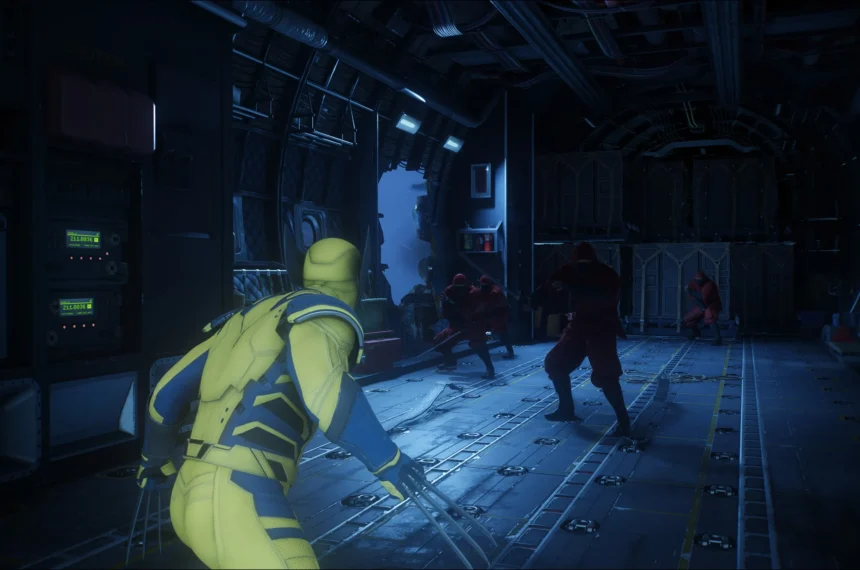
/i.s3.glbimg.com/v1/AUTH_08fbf48bc0524877943fe86e43087e7a/internal_photos/bs/2026/q/p/xkrnfASUWa5SSkay0x6A/marvels-wolverine-20260907193401.jpg "Marvel’s Wolverine Best Techniques to Unlock First")