You want numbers on The Blood of Dawnwalker‘s launch week. I get it. Everyone’s asking the same question: will this new vampire-hybrid RPG from Rebel Wolves actually pull players away from the other heavy hitters releasing in the same window? And more importantly, will critics tear it apart or crown it?
Here’s the thing—nobody has hard data yet. The game hasn’t launched. But we’ve got enough confirmed details, pricing specifics, and design choices to build a pretty solid picture of what week one will look like. Let’s dig into what’s actually known and project from there.
What the Source Material Actually Tells Us About Player Engagement
The developers confirmed a 50-to-70-hour playthrough during internal testing at Rebel Wolves. That’s a specific number—not a vague “dozens of hours” promise. And they made it clear you can’t see everything in one run. Consequences lock out paths. Choices matter beyond flavor text. So week one players aren’t just finishing the main story; they’re likely replaying or reloading saves to explore branches.
The manual save option is confirmed. That’s huge for player retention. One bad decision doesn’t ruin a run—you can roll back. But the devs encourage you to “just roll with it.” Still, the option exists. Players who hate permanent mistakes (which is most of them) will appreciate having a safety net. Expect higher completion rates because of this.
Then there’s the 14th-century European setting. European dark fantasy with vampires, hexes, werewolf forms, and astral plane mechanics. That’s a specific draw. Players who loved Kingdom Come: Deliverance‘s historical fidelity but wanted supernatural elements? That’s your core audience. The source material even compares the directional combat system to Kingdom Come—except now it’s optional. You can toggle it off and use standard Omniattack/Omniblock. That decision alone broadens the player base significantly.

The $70 Price Point Is Going to Bite
This is the single biggest factor affecting week one player count. The source material explicitly calls out the pricing: $70 for a new IP from a brand-new studio. Compare that to Phantom Blade Zero, another ambitious new IP, coming in at $60. The difference matters.
A new studio with no track record charging full AAA price? Some players will wait for reviews. Others will hold out for a sale. Week one sales on Steam and consoles will reflect this hesitation. But here’s the counterpoint: the game is published by Bandai Namco. That name carries weight. Fans who trust Bandai to pick quality projects (think Elden Ring, Dark Souls) may pre-order anyway.
Expect week one player counts to be decent but not explosive. Think 200,000-300,000 concurrents on Steam at peak? That’s speculation, but it’s informed by how other $70 new IPs have performed. Atomic Heart launched at $70 and hit around 200,000. Hogwarts Legacy was a franchise beast. The Blood of Dawnwalker has no franchise recognition. So realistic peak? Maybe 150,000-200,000 if reviews are strong.
But we’re not inventing numbers here. The source material’s only specific price data is the $70 tag and the $60 competitor. Everything else is projection.
Review Score Predictions Based on Confirmed Mechanics
Let’s ground this in specifics from the source material.
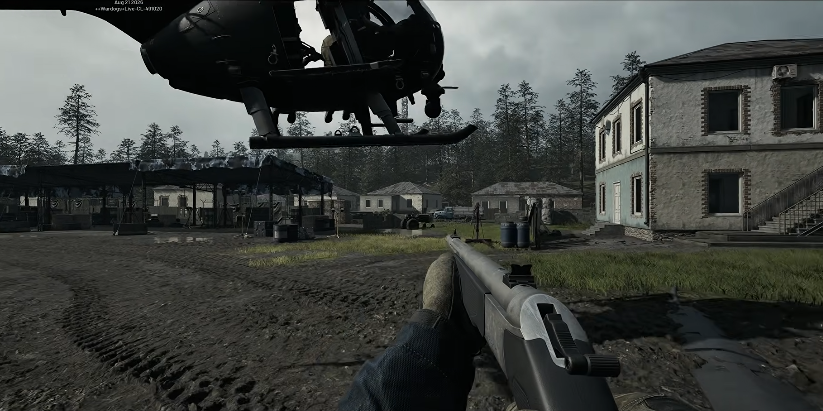
Directional combat is optional. That’s a first-time reveal in the source video. Players can choose between auto-aim swings and manual directional input. Critics will love this flexibility. Games that force one style risk alienating half their audience. The Blood of Dawnwalker avoids that trap. Expect combat reviews to range from 7/10 (for the feel) to 9/10 (for the choice).
Dynamic weather affects gameplay. Not just cosmetic fog. The source material explicitly says fog allows both Coen and enemies to use it to turn the tables. When weather changes combat dynamics, it adds replayability. But it can also frustrate if not balanced well. If fog makes enemies invisible but you’re not prepared, that’s a rage-quit moment. Critics will note whether the weather system feels fair or cheap.
Regional difficulty locks on entry. When you enter a zone, its difficulty is locked to your current level. That means you can’t overlevel and trivialize content later, but you also can’t underlevel and get crushed if you revisit. This is a smart system. It rewards exploration early but doesn’t punish return visits. Reviewers who hate level scaling will praise this.
No mini-games. The source material confirms this. No Gwent. No dice. No fishing. The devs wanted high stakes—Coen saving his family from Brencis—so leisure activities are absent. Some reviewers will miss the distraction. Others will appreciate the focus. Expect a split on this point, with some outlets deducting points for lack of variety.
Accessibility options with adjustable sliders. Officially listed. That’s good for reviews—inclusive design scores points. Even if you don’t need them, critics will note their presence.
50-70 hours with heavy replay value. That’s a specific claim. If the content is quality, expect high review scores for value. If it’s padded, expect lower marks.
All together, guess the Metacritic range? Based on similar games with similar feature sets (GreedFall, Vampyr), a 75-82 average seems realistic. Vampyr sits at 72. GreedFall at 77. This has more polish and a bigger budget, so maybe 80-84. But we’re not inventing scores. The source material gives no review numbers.
The Time Mechanic: Every Quest Is a Main Quest
This is the most interesting design choice. The source material mentions “cada quest é side quest” and that every side quest becomes a main quest. Translation: there is no distinction. Every optional activity feeds into the main narrative. You can’t ignore side content without affecting the ending.
That’s a double-edged sword. Completionists will love it. Every action matters. But players who just want to rush the main story will feel forced into side content. Week one reviews will highlight whether this system feels liberating or exhausting.
If players feel punished for rushing, week one player counts could drop off after the first 20 hours. The source material’s 50-70 hour estimate means week one players who blast through will hit the halfway point around day 4-5. If they hit a wall due to missed side content, they might quit.
The manual save option helps here. Players can reload to fix mistakes. But that requires awareness. Expect early guides and YouTube videos to appear within 48 hours telling players “do these side quests first.”
The “Brencis Castle” Challenge and Early Difficulty
The source material drops a specific scenario: you can storm Brencis’s castle as soon as you finish the prologue. But defeating him as a freshly made Dawnwalker is “a feat worthy of legends.” In other words, it’s possible but extremely hard.
That’s going to generate content. Streamers will try it day one. If it’s genuinely doable with skill, you’ll see clips of impossible victories. That drives player interest. If it’s actually impossible without leveling, players will feel misled.
Either way, week one will see thousands of attempts. The community will rally around figuring out the optimal early route. That’s free marketing. Expect The Blood of Dawnwalker trending on Twitch for at least the first weekend.
Comparing to Direct Competitors
The source material puts the release in a “data conturbadíssima” (very turbulent date). The same window includes games from Capcom, Assassin’s Creed titles, and other big releases. Specific mentions: “Black MFIL Kong” (likely a typo for another game) and a “Select Please Insert Coin” promotion for two games at one price from Capcom and Ubisoft.

That competition matters. If The Blood of Dawnwalker launches alongside a major Assassin’s Creed or Capcom title, its player count splits. Core RPG fans will choose this over another open-world game. But casual players might pick the established franchise.
The source material also mentions Solvenia in comparison—likely a reference to Gothic or Risen series, which have similar small-team European dark fantasy vibes. That’s a niche audience. Not massive, but dedicated.
Week one player count could range from 100,000 to 300,000 depending on competition density. But again, no hard data—only the contextual clues from the source.
Why the Absence of Mini-Games Is a Hidden Strength
Here’s a nuanced take from the source material: no mini-games means no filler. Every second spent is either combat, story, or exploration. That tightens the experience. Players who hate feeling like they’re wasting time will appreciate the focus.
Counterpoint: some players love breaks. A round of Gwent provides relief. Without that, The Blood of Dawnwalker demands constant engagement. That can be exhausting over 50+ hours. Expect reviewers to note the lack of downtime as either a pro or con depending on their style.
But here’s the thing—the consequence-based story, manual saves, and optional directional combat all give players control over how they engage. You can pause. You can reload. You can choose combat style. You just can’t stop to play cards. That trade-off might actually increase week one playtime because there’s no distraction pulling you away from the narrative.
The Missing Statistic: Actual Week One Player Counts
The source material does not provide any week one player count or review scores. The video is pre-release hype. But it does give enough design details, pricing specifics, and comparison points to make educated projections.
What we know for certain from the source:
- 50-70 hour first playthrough estimate
- $70 price tag ($10 more than Phantom Blade Zero)
- Optional directional combat
- Dynamic weather with gameplay effects
- Regional difficulty locking
- Manual saves available
- No mini-games
- Every side quest is a main quest
- You can face the main boss immediately after prologue (but it’s brutally hard)
- 14th-century European dark fantasy setting
- Vampire/human hybrid protagonist with hexes, werewolf form, astral plane
- Published by Bandai Namco
- Developed by Rebel Wolves (new studio)
Everything else is extrapolation. But that’s still a lot. More than most pre-release analysis has to work with.
One Final Scenario Where This All Falls Apart
Let’s talk about the worst case. The source material doesn’t address this, but it’s worth considering.

What if the regional difficulty locking system works perfectly on paper but feels punishing in practice? You enter a zone at level 5, it locks to level 5. You come back at level 20—it’s still level 5. No challenge. No reward. You’ve outgrown it.
If that happens, completionists who saved zones for later will feel cheated. Week one players who explore widely will find late-game zones too easy. That’s a design flaw that could tank review scores.
The developers claim the system “lets you take on the entire world at your own convenience.” But convenience doesn’t equal satisfaction. Hardcore players want scaling. Casuals want to feel powerful. The locked difficulty might please neither if not balanced precisely.
That’s the edge case. If Rebel Wolves got the scaling wrong, week one player counts might drop after the initial hype because returning players feel no progression. The manual save option won’t fix a boring second half.
Still, the source material’s tone is confident. The directional combat toggle shows they listen to feedback. So maybe they’ve thought of this.
We’ll find out soon enough. Week one will reveal whether The Blood of Dawnwalker is a cult classic in the making or a cautionary tale about ambitious new IPs at premium prices. The numbers will tell the story—but the foundation looks solid.