“Play Control before Resonant.” “You need to understand the Remedy Connected Universe.” “Read every document.” — This is the standard advice for anyone jumping into Control Resonant. It’s wrong.
Not harmful wrong. Just unnecessary. And in some ways, it actually makes the game harder to enjoy. The sequel does something rare: it welcomes new players on its own terms.
The sequel does something rare: it welcomes new players on its own terms.
The Myth of Required Backstory
The first Control is a dense, brilliant game. It’s also a labyrinth of jargon, floating bodies, and a building that rearranges itself. The FBC, the Hiss, the Board, Objects of Power — none of it lands cleanly on a first playthrough. Expecting a new player to digest that before Resonant is like forcing someone to read a textbook before watching the movie.
Remedy knows this. That’s why Control Resonant opens with a four-minute recap video on the main menu. It covers the essentials: Jesse Faden becomes director, Dylan gets possessed by the Hiss, and the Oldest House breaches into Manhattan. That’s it. That’s all you need.
What Control Resonant Does Better
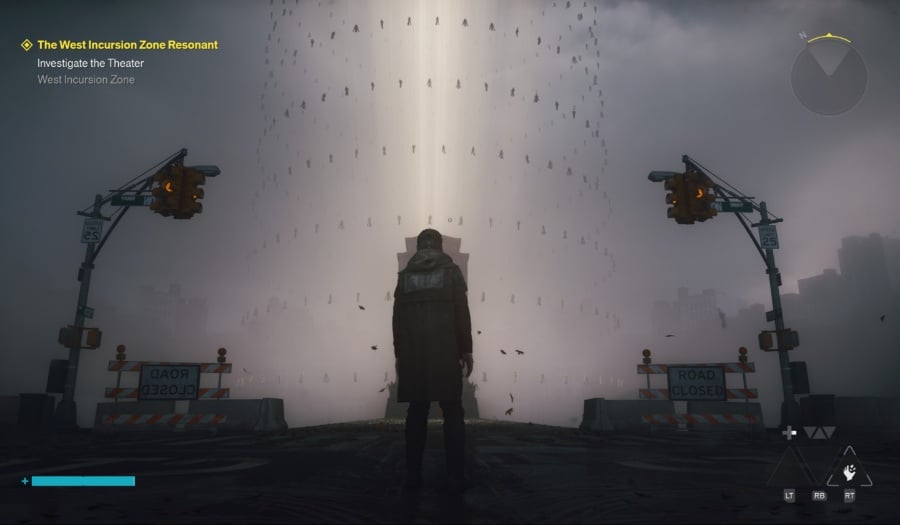
The story centers on Dylan Faden, not Jesse. He wakes from a seven-year coma and immediately starts asking the same questions a new player would: “What happened to me? Why is the city twisted? Who can I trust?” His confusion mirrors yours. That’s intentional.
Dialogue with characters like Emily Pope and Zoe De Vera reintroduces FBC concepts as if you’ve never heard them. The Board communicates in that signature staccato style, but the game explains what “We hear the resonance” means through context, not codex entries. Side characters like Langston and Arish have their own arcs that don’t require knowing their history from Control.
The game even re-explains Polaris, the astral plane, and the Hiss through Dylan’s interactions. Nothing is lost by coming in fresh.
The FBC Story in One Paragraph
Still want context? Here’s the minimum: The Federal Bureau of Control contains paranormal threats. The Hiss (a hostile resonance) escaped the Oldest House headquarters and infected Manhattan. Dylan Faden, brother of former director Jesse, was experimented on as a child and became a Hiss host. Now he’s awake, guilt-ridden, and the only one who can fight back. The Board (pyramid-shaped entities) helps him unlock powers. The Resonants are new bosses tied to a phenomenon called “patterning.” That’s the foundation. The game builds everything else on top.
Why Chasing Lore Can Hurt Your Experience
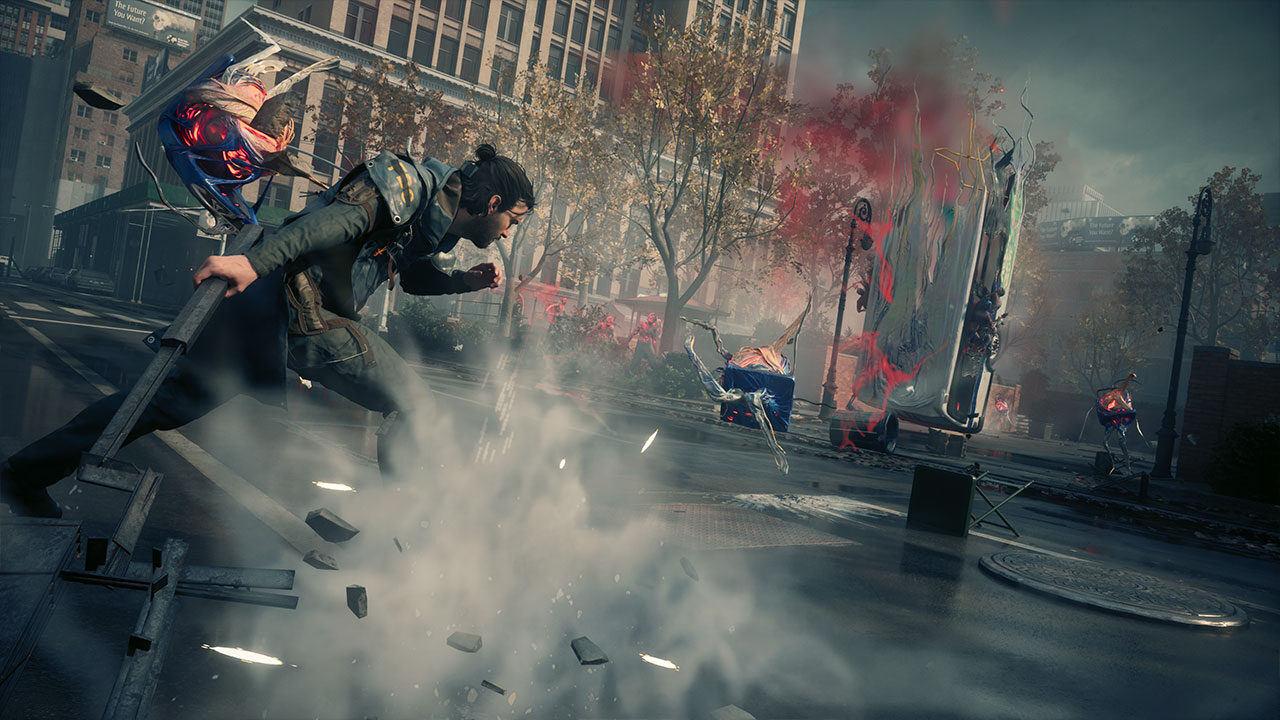
Control Resonant rewards exploration and combat, not homework. Hunting down every collectible from the first game or reading every document in Resonant can turn the game into a chore. The combat system is the star here — a melee-focused, dodge-heavy flow that demands your attention mid-fight. Stopping to read a note about an altered fridge kills momentum.
The documents and side quests add flavor, not plot. Missing them leaves the main story intact. If you want deeper FBC lore, treat it as post-game content, not a prerequisite.
The Real Reason to Play Control
None of this means Control isn’t worth playing. It’s a masterpiece. But play it because it’s a great game, not because you’re required to for Resonant. The sequel stands alone. The recap, the dialogue, the pacing — all designed so that new players can hit the ground swinging.
One specific detail most advice overlooks: the “report” function in Resonant (hold a button to call in observations) replaces large chunks of the first game’s collectible-driven storytelling. You get context as you play, in real time. Remedy deliberately streamlined the narrative to avoid the info-overload that plagued the original.
So stop telling new players to finish Control first. Let them meet Dylan Faden on his own terms. If they love the world, they’ll go back and explore the original. And if they don’t? They still got a complete story.
**
- Why is it unnecessary to play Control before Resonant?Control Resonant includes a four-minute recap and contextual dialogue that reintroduces FBC concepts, making it a standalone experience.
- What minimum backstory does a player need for Control Resonant?The game itself explains the Hiss, FBC, and Dylan's role through natural dialogue, so no prior knowledge is required.
- How does Control Resonant's storytelling differ from the original?It replaces collectible-driven lore with a real-time report function and a protagonist who shares the player's confusion.