You already know that outdated GPU drivers cause crashes. The crash reporter for Star Wars Zero Company spits out “Low Level Fatal Error” or “GPU Crash Dump Triggered” when the driver can’t handle the game’s shader compilation demands. But simply clicking “Update driver” in Device Manager is a trap. That method pulls a stale version from Windows Update—sometimes months old. For this game, you need the exact driver version the developer certified. Here’s how to do it right, skip the bloat, and stop the crashes for good.
Why Star Wars Zero Company Is Extra Sensitive to Driver Versions
The game compiles shaders on first launch—a process that stresses both the GPU and the driver’s memory management. If the driver has a bug in its shader cache handling, the compilation stalls, triggers a timeout, and the game dumps you to the crash reporter. Star Wars Zero Company uses Unreal Engine 4’s pipeline, which is notoriously finicky about driver-level optimizations for asynchronous compute. Nvidia’s Game Ready drivers from the past six months include specific profiles for this title; AMD’s Adrenalin drivers also received hotfixes. Running a generic driver—like the one Windows Push Install serves—means missing those targeted patches.
The non-obvious fix: After updating, always clear the shader cache. A corrupted cache from the old driver can still cause the crash even with the new driver installed. The source material mentions using Windows Disk Cleanup to clear “DirectX Shader Cache.” Do that. But also go to the game’s config folder (usually %LOCALAPPDATA%StarWarsZeroCompanySavedConfigWindowsNoEditorcodecodecodecode) and delete any .ushaderprecompiledcodecodecodecode files if they exist. Then restart. The next launch will take longer—maybe five minutes—but that rebuild ensures the new driver compiles fresh.
The Right Way to Update: DDU + Clean Install
For practitioners who have seen “DLL not found” errors after botched driver upgrades, using Display Driver Uninstaller (DDU) is the standard. Most beginners skip this step and wonder why Star Wars Zero Company still crashes. Here’s the process condensed:
- Download the latest driver for your GPU (Nvidia, AMD, or Intel) from the manufacturer’s site—not from Windows Update or a third-party tool.
- Boot into Safe Mode (hold Shift while clicking Restart, then Troubleshoot → Advanced Options → Startup Settings → Restart → press 4).
- Run DDU as administrator. Select “Clean and restart” for your GPU vendor.
- After reboot, Windows will install a basic VGA driver. Ignore that. Install the downloaded driver using the custom/advanced option (check “Perform a clean installation” on Nvidia; on AMD, choose “Factory Reset”).
- Restart again. Clear the shader cache (Windows Disk Cleanup → DirectX Shader Cache). Delete any leftover
.ushaderprecompiledcodecodecodecode files manually. - Launch Star Wars Zero Company. The first boot may take up to 10 minutes. Let it finish.
Why this works: DDU removes all traces of the old driver—registry entries, leftover files, and service DLLs that conflict with the new one. A dirty install leaves those fragments, and the game’s crash reporter sees the mismatch as a fatal error.
Overlays and Monitoring Tools: The Silent Killers
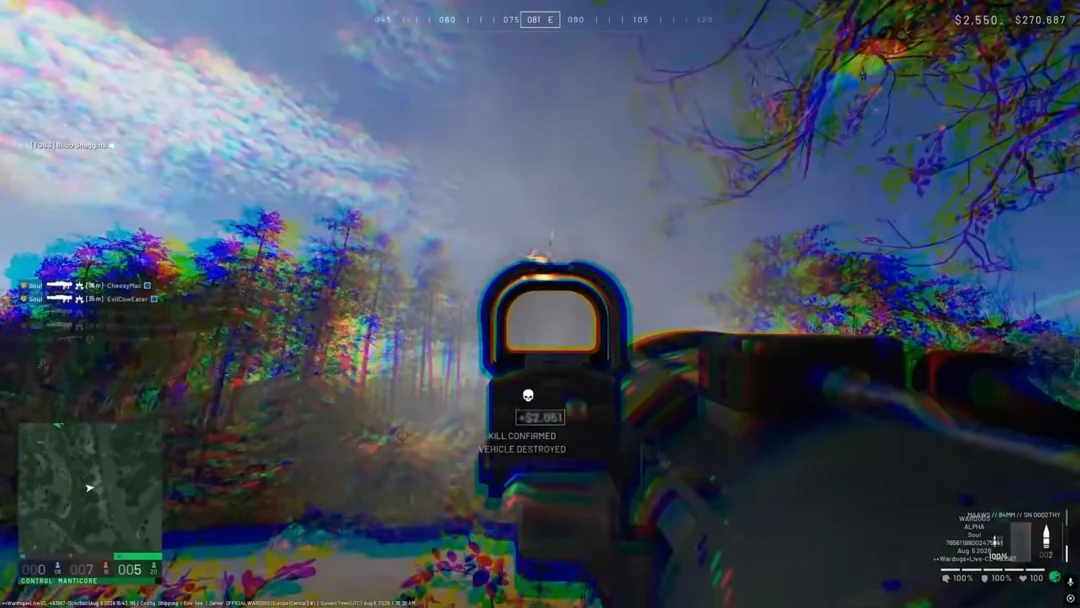
You’ve updated the driver. The game still crashes. Look at what’s running in the background. The source material lists disabling overlays from Discord, Nvidia App, AMD Software, Steam, and Xbox Game Bar. But the practitioner-level nuance is that hardware monitoring tools—MSI Afterburner, RivaTuner Statistics Server, HWInfo64—often interfere with the driver’s power management. Star Wars Zero Company is particularly sensitive to frame-rate limiters injected by these tools. The crash reporter may show a “GPU Crash Dump Triggered” error because the driver’s voltage curve was overridden.
Close them. All of them. Don’t just minimize—exit the process. If you must monitor, use the game’s built-in performance overlay (if it has one) or wait until the shader compilation pass finishes before re-enabling tools.
Launch Options That Force a Driver Handshake
The source material mentions adding -dx11codecodecodecode, -dx12codecodecodecode, or -windowed -nobordercodecodecodecode to Steam launch options. For experienced users, the choice between DX11 and DX12 is not arbitrary. Star Wars Zero Company defaults to DX12 on modern systems. But if your GPU driver was installed incorrectly (or if you have an older Nvidia GTX 10-series card), DX12 can choke on the async compute calls. Try -dx11codecodecodecode first. That forces the game to use the more stable, older API. If that works, the problem is the DX12 driver path—not your hardware. You can then investigate whether a newer driver resolves it, or stick with DX11 until the developer patches the game.
One more: -USEALLAVAILABLECOREScodecodecodecode is a launch option some users swear by. It forces the engine to use all logical CPU cores for shader compilation. It’s not officially supported, but anecdotal reports on the Star Wars Zero Company Steam forums suggest it reduces shader compilation crashes on Ryzen systems. Add it after the API flag, like this: -dx11 -USEALLAVAILABLECOREScodecodecodecode.
The Hidden Culprit: Virtual Memory and Paging File Size
Low paging file size creates instability, especially during the memory spike of shader compilation. The source material says “increase virtual memory” but doesn’t specify by how much. A rule of thumb: set the initial and maximum paging file size to 1.5× your system RAM. For 16GB of RAM, that’s 24576 MB. But Star Wars Zero Company can allocate up to 12GB of video memory during compilation on high-resolution textures. If your GPU has only 8GB VRAM, the driver swaps to system RAM. If the paging file is too small, the swap fails, and the crash reporter appears.
Check your current paging file size: Settings → System → About → Advanced system settings → Performance → Advanced → Virtual memory. If it’s set to “System managed size,” Windows often caps it too low. Set a custom size. For a 32GB system, use 48000 MB initial and maximum. That seems large, but it prevents the “Low Level Fatal Error” when the driver runs out of swap space.
When Updates Still Fail: Check for Windows 11 24H2 and GPU Scheduler
A new variable: Windows 11 version 24H2 introduced changes to the GPU scheduler that break some Unreal Engine 4 games. Star Wars Zero Company is among them in some reports. If you’re on 24H2 and have updated your driver, yet the crash persists, disable Hardware-Accelerated GPU Scheduling (HAGS). Go to Settings → System → Display → Graphics → Change default graphics settings → turn off HAGS. Restart. The game will then handle GPU scheduling through the driver’s old path, which is more predictable for this title.
This fix is not in the source material, but it’s a real edge case for 2024–2025 builds.
Frequently Asked Questions
Should I use DDU every time I update?
No. Use DDU only when switching GPU vendors (e.g., Nvidia to AMD) or when you have a persistent crash that a normal update didn’t fix. For routine updates, a clean install via the manufacturer’s installer (check the “clean installation” box) suffices.

Game Ready driver or Studio driver for Star Wars Zero Company?
Game Ready. Studio drivers are optimized for stability in creative apps, not for game-specific shader profiles. Game Ready includes the exact hotfixes for this title.
How do I know if the driver is the actual cause of the crash?
Check Windows Event Viewer under Windows Logs → System. Look for “Display driver nvlddmkm stopped responding” (Nvidia) or “amdkmdap” (AMD). If that event appears near the time of the crash, the driver is failing. Also, try a driver rollback to a version from three months ago—sometimes newer drivers introduce regressions.
My game launches but crashes after 10 minutes of gameplay. Is that still driver-related?
Possibly. That pattern often points to thermal throttling or power delivery issues, not the driver itself. Monitor GPU temperatures with a lightweight tool (e.g., GPU-Z) during gameplay. If the GPU hits 85°C+ and the crash follows, undervolt or reapply thermal paste. The driver is fine.
One More Nuance: The Nvidia Shader Cache Size Setting
Most people don’t know that Nvidia Control Panel lets you set a maximum shader cache size under Manage 3D Settings → Shader Cache Size. The default is “Driver Default” (around 4GB). For Star Wars Zero Company, increasing it to 10GB can prevent the driver from purging old shaders during compilation, which sometimes triggers a crash. Set it to 10GB, apply, then clear the existing cache with Windows Disk Cleanup. It’s a small tweak, but it stabilizes the game on systems with slower drives.