Jeff Kaplan, the visionary director behind Blizzard Entertainment’s global phenomenon Overwatch, has broken his extended silence. After nearly two years away from the public eye following his abrupt departure from the company in 2021, Kaplan has announced a new ambitious multiplayer survival simulator titled The Legend of California. More significantly, he has provided the first detailed account of the circumstances that forced his exit after 19 years at Blizzard, citing sustained pressure and coercive tactics from parent company Activision.
Coercion and Creative Differences at Activision Blizzard
In a series of candid interviews and statements released alongside his new project’s announcement, Kaplan described an untenable working environment that emerged following Activision’s increased operational control. “It was presented as a choice,” Kaplan explained, “but it was an ultimatum. The direction for the franchise, for the teams, and for the kind of games we were allowed to make was being dictated by metrics and quarterly reports, not by player experience or creative vision.” This conflict represents a pivotal moment in the ongoing narrative of corporate influence within major game studios, highlighting the tension between artistic leadership and shareholder-driven management.
The Final Push Overwatch 2’s Development
Sources close to the development of Overwatch 2 corroborate Kaplan’s account, pointing to specific clashes over the game’s monetization strategy, release schedule, and core design philosophy. According to these sources, Activision executives demanded a faster transition to a free-to-play model with more aggressive live-service monetization than the development team, led by Kaplan, deemed sustainable for the game’s community health. “The phrase ‘player-first’ became a point of contention,” one former developer stated anonymously. “For Jeff and many of the original team, it was a guiding principle. For the new oversight, it was a marketing slogan to be balanced against revenue targets.”
A Legacy of 19 Years Under Siege
Kaplan’s tenure at Blizzard was legendary long before Overwatch. As a key designer on World of Warcraft, he was instrumental in shaping some of the MMORPG’s most beloved early content, earning him the affectionate nickname “Tigole” within the community. His transition to lead the new intellectual property that would become Overwatch was seen as a return to Blizzard’s core strength: creating genre-defining games with compelling worlds. The success of the team-based shooter, which garnered Game of the Year awards and a massive, dedicated fanbase, initially seemed to secure creative autonomy for Kaplan’s team. However, the 2008 merger between Activision and Vivendi Games, which owned Blizzard, set in motion a gradual cultural shift that would culminate in the reported pressure Kaplan faced.
The Human Cost of Corporate Consolidation
Kaplan’s departure was not an isolated incident but part of a broader exodus of veteran talent from Blizzard in recent years. Figures like Chris Metzen, Michael Chu, and numerous other long-term developers have left, often with little public explanation. Kaplan’s revelations suggest a pattern where foundational creators found themselves at odds with an evolving corporate structure prioritizing integration with the Activision ecosystem, including battle pass systems, cross-promotion with other Activision titles, and streamlined development cycles that compromised on polish.
“There’s a human element that gets lost in spreadsheets,” Kaplan reflected. “Game development is about trust—trust within the team, and trust with your audience. When that trust is broken because decisions are made to please a boardroom thousands of miles away instead of the people who play your games every day, the soul of the project evaporates. I couldn’t be the face of decisions I didn’t believe in.” This sentiment echoes widespread criticism of Activision Blizzard’s workplace culture, which has been the subject of lawsuits and investigations alleging harassment and discrimination, further contextualizing Kaplan’s decision to leave.
The Birth of The Legend of California
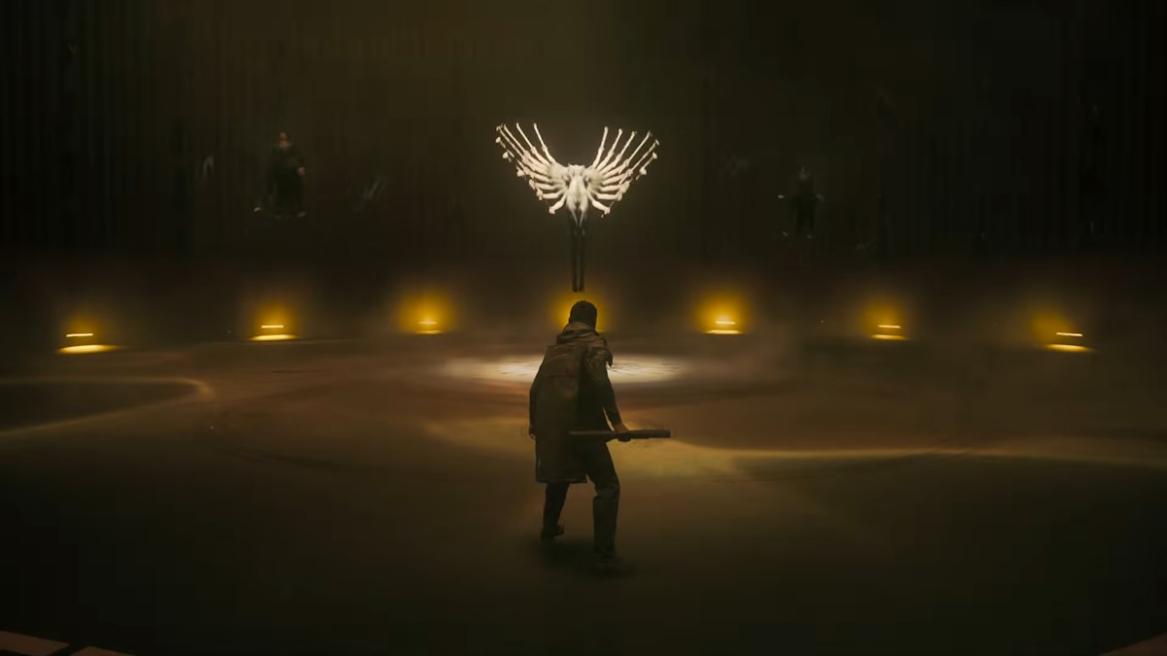
His new venture, The Legend of California, appears to be a direct response to these constraints. Described as a multiplayer survival simulator set in a mythologized, post-event version of California, the project is being developed by a new, independent studio founded by Kaplan. Early details suggest a focus on cooperative world-building, deep narrative emerging from player interaction, and a commitment to avoiding predatory monetization—a clear philosophical stand against the trends he resisted at Activision Blizzard. “This is a return to why I got into this industry,” Kaplan said. “It’s about building a world with a team that shares a vision, and inviting players in to make it their own, without a corporation dictating how they should enjoy it or how much they should spend.”
Industry Implications and the Future of AAA Development
The public clarification of Kaplan’s exit serves as a critical case study in the gaming industry’s current state. As consolidation continues, with giants like Microsoft now acquiring Activision Blizzard, the question of how to preserve creative integrity within massive corporate frameworks becomes more urgent. Kaplan’s story underscores the risk of alienating the very talent responsible for building billion-dollar franchises. When visionary leaders are forced out due to clashes with monetization and production strategies, the long-term health of the intellectual property itself may be at stake, as seen in the troubled development and mixed reception of Overwatch 2 following his departure.
Player and Developer Reactions
The reaction from the Overwatch community and industry peers has been one of significant support for Kaplan. Many have expressed frustration, noting that the game’s direction and content updates changed perceptibly after his exit. On developer forums and social media, his candidness has been praised as a rare moment of transparency in an industry often shrouded in non-disclosure agreements and carefully managed PR statements. It has sparked renewed debate about the sustainability of current AAA development models and the importance of protecting creative leadership from purely financial oversight.
A Broader Pattern in the Games Business
Kaplan’s experience is not unique to Activision Blizzard. Similar stories have emerged from other major publishers, where founding developers or creative directors have parted ways with studios following acquisitions or management shifts. The pattern suggests a systemic issue where the initial, often risky, creative spark that builds a franchise is later at odds with the risk-averse, scale-focused management that seeks to maximize its profitability. The challenge for the industry moving forward is to find models that allow for both financial success and the creative freedom necessary for genuine innovation and player satisfaction.
As Jeff Kaplan turns the page to a new chapter with The Legend of California, his revelations about his Blizzard departure offer a sobering look behind the curtain of blockbuster game development. They highlight the fragile balance between art and commerce, and the very real human cost when that balance tips too far in one direction. His new project will be watched closely, not just for its own merits, but as a testament to whether the vision that created a generation-defining game can flourish outside the corporate machinery that eventually sought to constrain it. The legacy of his fight, and the future of his new world, will undoubtedly influence how both developers and publishers approach the sacred trust of game creation for years to come.