In an era where every dollar counts, the pursuit of lower gas prices has become a near-daily ritual for many drivers. Yet, the question persists: does driving across town to save a few cents per gallon actually move the financial needle? The answer, as with most personal finance dilemmas, depends heavily on context. This article examines the true cost of scouting for fuel, and then addresses a range of other pressing August money questions, from back-to-school budgeting to investment strategies in a volatile market.
The Hidden Costs of Hunting for Cheap Gas
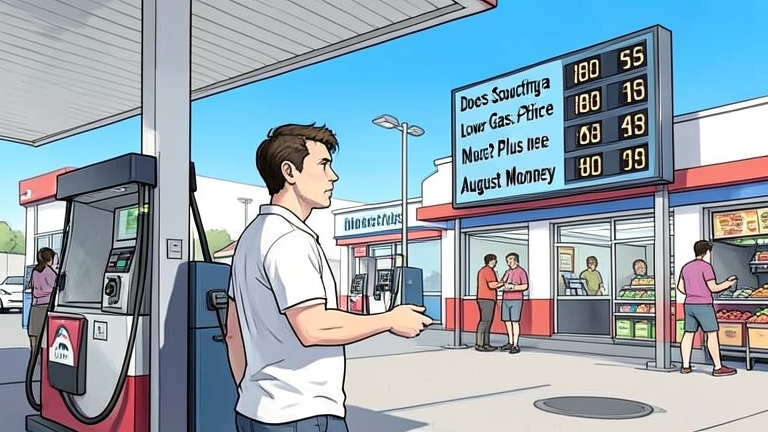
Scouting a lower gas price often feels like a victory, a small act of defiance against rising costs at the pump. However, the financial benefit can evaporate quickly when you factor in the actual costs. The most obvious expense is your time. If you spend 15 minutes driving an extra two miles to save three cents per gallon on a 10-gallon fill-up, you have saved just 30 cents. The depreciation on your vehicle, the wear and tear on tires, and the additional fuel burned during that detour can easily erase that gain. According to the IRS, the standard mileage rate for business use in 2023 was 65.5 cents per mile. Using that metric, a two-mile round trip costs you over $1.30, making the “savings” a net loss.
Furthermore, the psychology of discount hunting can lead to broader spending pitfalls. The principle of “salience” suggests that if a consumer is hyper-focused on gas prices, they may become less attentive to other, much larger household expenses. For example, saving 60 cents on a tank of gas might feel significant, while ignoring a subscription service costing 20 dollars a month goes unnoticed. The opportunity cost is real: the time spent driving to a cheaper station could be used for meal prepping, negotiating a lower insurance premium, or reviewing credit card rewards. A far more effective strategy is to use a gas price app from the comfort of your home to find the best price on your regular route, rather than actively searching while driving.
Back-to-School Spending: Avoiding the Budget Trap
August is a peak month for back-to-school spending, which often catches families off guard. The National Retail Federation estimates that families plan to spend hundreds of dollars per child on school supplies, clothing, and electronics. The key to managing this expense is to avoid impulse buying. Begin by inventorying what you already have. Pencils, binders, and backpacks from last year may still be viable. Create a strict list based on school requirements and stick to it. Furthermore, consider the timing of purchases. While waiting for sales is wise, waiting too long can lead to last-minute, full-price panic buys. A strategic approach involves buying core items like paper and pens in bulk at warehouse clubs, and postponing trendy clothing purchases until later in the season when discounts deepen. Another crucial step is to involve children in the budgeting process, explaining that the total amount is finite, which teaches valuable lessons about trade-offs and needs versus wants.
The August Market Volatility and Your Portfolio
August historically brings lower trading volumes, which can exacerbate market volatility. For investors, the temptation to react to daily headlines—be it about inflation, interest rates, or geopolitical events—is strong. However, a long-term perspective remains the most reliable anchor. If you have a diversified portfolio aligned with your risk tolerance and time horizon, the seasonal ups and downs of August should not trigger drastic changes. Instead, use this period to rebalance. If your asset allocation has drifted due to a strong first half of the year, August is an excellent time to sell some winners and buy laggards to bring your portfolio back to its target. Also, consider tax-loss harvesting opportunities if certain positions have declined. The most significant financial mistake during volatile periods is to lock in losses by selling out of fear. Staying the course, while making minor adjustments, is often the most prudent path.

Credit Card Debt: The August Interest Rate Hike Trap
With the Federal Reserve’s interest rate hikes, credit card APRs have climbed to record highs. August often presents a perfect storm: families overspend on vacations or back-to-school items, and then face crushing interest charges. If you carry a balance, a 0% balance transfer offer can be a lifeline. Many cards offer 12 to 21 months of no interest on transferred balances. This allows your payments to directly attack the principal. However, be warned of the balance transfer fee, typically 3% to 5% of the amount transferred. Another tactic is to call your current card issuer and request a lower rate. While success is not guaranteed, it is a simple ask that can shave off several percentage points. If you cannot get a rate reduction, prioritize paying down the card with the highest APR first (the avalanche method), while making minimum payments on others. The psychological relief of eliminating high-interest debt can be as impactful as the financial savings.
Summer Travel Refunds and Cancellations
August is a peak travel month, and with it comes the risk of cancellations due to weather, staffing shortages, or other disruptions. Knowing your rights is critical. If an airline cancels your flight, you are entitled to a full refund to the original form of payment, not just a travel voucher. This is a Department of Transportation regulation. Do not accept a voucher if you prefer cash. For hotel or rental car cancellations, policies vary wildly. Always review the cancellation policy at the time of booking. Using a credit card with travel insurance can provide an extra layer of protection. Many premium cards offer trip cancellation and interruption insurance, covering non-refundable expenses for covered reasons such as illness or severe weather. If you are stranded, document all expenses and keep receipts for meals and lodging that may be reimbursable under your card’s travel delay coverage.
The Summer Mindset: Financial Self-Care and Planning Ahead
August acts as a financial inflection point. The lazy days of summer can lead to a lax attitude toward spending, which needs to be corrected as we approach the fall. This month is ideal for conducting a “mid-year financial checkup.” Review your retirement contributions. Are you on track to maximize your 401(k) or IRA for the year? If you have extra cash, consider making a catch-up contribution. Next, review your insurance policies. Does your homeowner’s or renter’s insurance still reflect the value of your possessions? Did your driving patterns change, which might lower your auto premium? Also, use August to set your financial goals for the final four months of the year. Whether it is building an emergency fund, paying off a specific debt, or saving for a holiday trip, having a concrete goal with a dollar amount attached increases the likelihood of success. The end of summer is not a signal for financial complacency; it is a call to refocus and recalibrate, ensuring that the financial habits of July give way to the discipline required for a strong finish to the year.
The net effect of these August-specific financial questions reveals a common thread: small, deliberate actions often outweigh grand, reactive gestures. Scouting a lower gas price, while a sensible instinct, usually yields negligible returns when weighed against time and vehicle costs. Similarly, panic-selling a portfolio or ignoring credit card interest rates can have outsize negative consequences. The smartest move an individual can make this month is to step back, audit their financial landscape, and apply targeted, low-cost strategies to the areas that offer the greatest impact. The discipline of planning, from back-to-school lists to portfolio rebalancing, is a far more powerful tool than the fleeting satisfaction of a cheap tank of gas. Embrace the end of summer as a moment to fortify your financial foundation, recognizing that the most profound improvements come not from chasing pennies, but from managing the dollars.