The electric vehicle industry continues to evolve at a rapid pace, with automakers racing to address one of the most persistent pain points for EV owners: the fragmented and often frustrating public charging experience. General Motors has taken a significant step forward with the introduction of two new technologies designed to simplify the charging process for drivers of its Cadillac, Chevrolet, and GMC electric vehicles. Dubbed Energy Pass and Plug and Charge, these innovations aim to eliminate the need for multiple apps, payment methods, and membership cards, offering a seamless, plug-and-go experience that brings EV charging closer to the simplicity of refueling a traditional gasoline vehicle. This article examines GM’s new offerings in the context of the broader EV landscape, while also exploring other developments in the electric mobility sector, including SpaceX’s controversial energy decisions and Tesla’s ongoing promises regarding the long-awaited Roadster.
What Are GM’s Energy Pass and Plug and Charge Technologies?
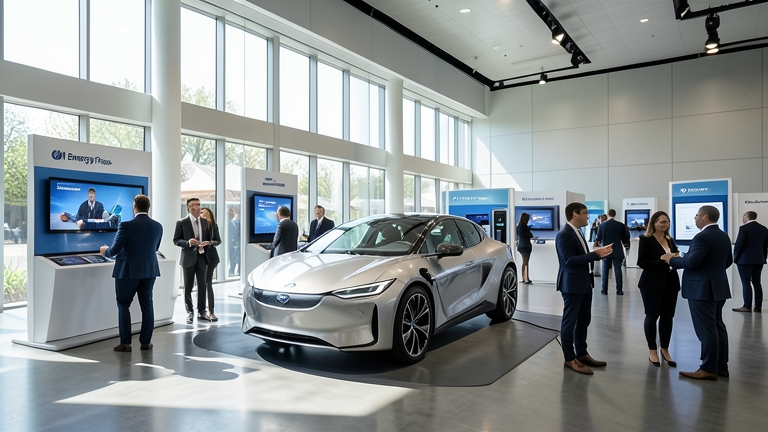
General Motors has introduced two complementary technologies that together represent a significant leap forward in the usability of public EV charging infrastructure. Energy Pass is a unified account system that consolidates multiple charging network memberships and payment methods into a single, streamlined interface. Rather than requiring drivers to maintain separate accounts with different charging providers, Energy Pass allows GM vehicle owners to access participating charging stations using a single credential. This eliminates the need to juggle multiple apps, RFID cards, or payment methods, significantly reducing the friction associated with public charging.
Plug and Charge takes this convenience a step further by enabling automatic authentication and billing when a GM electric vehicle is connected to a compatible charging station. The technology leverages the ISO 15118 standard, which allows the vehicle and the charger to communicate securely, automatically identifying the vehicle and initiating the charging session without any driver intervention. When a driver pulls up to a participating station, they simply plug in the charging cable, and the session begins immediately. There is no need to pull out a phone, swipe a credit card, download a new app, or navigate through a touchscreen interface. The charging session is authenticated, billed to the driver’s Energy Pass account, and completed entirely automatically. As GM has put it, drivers just plug and charge—as it should be.
Why GM’s New Charging Solutions Matter for EV Adoption
The introduction of Energy Pass and Plug and Charge addresses one of the most significant barriers to widespread electric vehicle adoption: the complexity and inconsistency of the public charging experience. Surveys have consistently shown that concerns about charging infrastructure—including range anxiety, charger availability, and the hassle of using different networks—are among the top reasons consumers hesitate to switch to electric vehicles. By simplifying the charging process, GM is removing a key psychological and practical barrier that has deterred many potential EV buyers.
The fragmented nature of the EV charging market has been a persistent challenge for the industry. In many regions, drivers must sign up for multiple charging network accounts, each with its own app, payment system, and pricing structure. This complexity can be particularly daunting for new EV owners who are already navigating the transition from gasoline-powered vehicles. GM’s unified approach, which consolidates these disparate systems into a single, seamless experience, represents a significant improvement in the user experience and could help accelerate the adoption of electric vehicles among mainstream consumers.

Moreover, the integration of Plug and Charge technology aligns with broader industry trends toward standardization and interoperability. The ISO 15118 standard, which underpins the Plug and Charge functionality, is increasingly being adopted by automakers and charging network operators worldwide. As more vehicles and chargers become compatible with this standard, the vision of a truly seamless charging experience—where drivers can simply plug in and charge at any public station, regardless of network—is becoming increasingly attainable. GM’s adoption of this technology positions the company at the forefront of this movement.
How GM’s Energy Pass and Plug and Charge Compare to Other EV Charging Solutions
GM is not the only automaker working to simplify the EV charging experience. Tesla, for example, has long offered a proprietary charging network that provides a similarly seamless experience for its owners, with automatic billing and authentication integrated into the vehicle. However, Tesla’s system has historically been closed to non-Tesla vehicles, limiting its utility for the broader EV market. GM’s approach, by contrast, is designed to work with a wide range of charging networks and is compatible with the growing ecosystem of non-proprietary chargers.
Ford has also introduced a similar feature, known as FordPass, which provides access to multiple charging networks through a single app. However, GM’s Plug and Charge technology goes a step further by enabling fully automatic authentication and billing, eliminating the need to interact with an app at all. This distinction is significant, as it reduces the cognitive load on the driver and makes the charging experience feel more like a seamless utility rather than a transactional process.
Other automakers, including Volkswagen, Mercedes-Benz, and BMW, have also been working to streamline the charging experience through partnerships and unified payment systems. However, GM’s combination of Energy Pass and Plug and Charge represents one of the most comprehensive efforts to date, integrating multiple networks into a single account while also enabling fully automatic charging sessions. This puts GM in a strong competitive position as the EV market continues to grow and evolve.
The Economic Implications of Simplified EV Charging
Beyond the convenience benefits for drivers, the simplification of EV charging has significant economic implications for the broader EV ecosystem. By reducing the friction associated with public charging, GM’s new technologies could help increase the utilization of public charging infrastructure, making it more economically viable for network operators to expand their coverage. This, in turn, could accelerate the deployment of charging stations, further reducing range anxiety and supporting the continued growth of the EV market.
For GM, the introduction of Energy Pass and Plug and Charge also represents a strategic move to strengthen its position in the rapidly evolving EV market. By offering a superior charging experience, GM can differentiate its vehicles from competitors and build customer loyalty among existing and prospective EV owners. The technologies also support GM’s broader strategy of transitioning to an all-electric future, with the company aiming to phase out internal combustion engine vehicles by 2035.
Contrasting Developments: SpaceX’s Fossil Fuel Decision
While GM is advancing the electrification of transportation, another major player in the technology sector has made a controversial decision regarding energy use. SpaceX, the aerospace company founded by Elon Musk, has reportedly chosen to power its newest mega chip factory with fossil fuels rather than renewable energy. This decision has drawn criticism from environmental advocates and raised questions about the company’s commitment to sustainability, particularly given Musk’s prominent role in the electric vehicle industry through Tesla.
The conflict is emblematic of a broader tension in the technology sector, where the rapid expansion of computing infrastructure is driving significant energy demand. Data centers, semiconductor fabrication plants, and other high-tech facilities require vast amounts of electricity, and the source of that energy has significant environmental implications. While many companies have committed to using renewable energy for their operations, the transition is not always straightforward, particularly for facilities that require massive and reliable power supplies.
SpaceX’s decision to rely on fossil fuels for its new factory highlights the ongoing challenges of decarbonizing the technology sector. It also underscores the complexity of evaluating the environmental impact of individual companies, as even those associated with green technology may have aspects of their operations that are less sustainable. As the tech industry continues to grow, the pressure to adopt renewable energy sources will likely intensify, and companies will need to demonstrate a genuine commitment to sustainability to maintain public trust.
The Tesla Roadster: A Decade of Promises
Another recurring theme in the EV landscape is the ongoing saga of the Tesla Roadster, which has been promised for nearly a decade. Tesla first unveiled the second-generation Roadster in 2017, with a planned launch in 2020. Since then, the timeline has been repeatedly pushed back, with Tesla CEO Elon Musk and design chief Franz von Holzhausen continuing to assure the public that the vehicle is coming “soon.” Most recently, von Holzhausen made an appearance on Jay Leno’s show to reaffirm that the Roadster is still in development and will be released eventually.
The repeated delays have become a source of frustration for Tesla fans and investors, who have been waiting to see the company deliver on its ambitious promises. The Roadster is intended to be a high-performance electric sports car, with claimed specs that include a 0-60 mph time of 1.9 seconds and a range of over 600 miles. However, the technological challenges of achieving these performance targets, combined with Tesla’s focus on high-volume vehicles like the Model 3 and Model Y, have likely contributed to the delays.
The Roadster saga highlights the challenges that even leading automakers face in bringing innovative new vehicles to market. Developing a high-performance electric vehicle with cutting-edge technology requires significant investment in research, development, and testing, and delays are not uncommon in the automotive industry. However, the extended timeline for the Roadster has tested the patience of many Tesla supporters and raised questions about the company’s ability to deliver on its most ambitious projects.
The Broader Implications for GM and the EV Industry
GM’s introduction of Energy Pass and Plug and Charge comes at a critical time for the electric vehicle industry. Competition is intensifying, with traditional automakers, startups, and technology companies all vying for market share in the rapidly growing EV sector. To succeed in this environment, automakers must offer not only compelling vehicles but also a seamless and convenient ownership experience. GM’s new charging technologies address this need and position the company as a leader in the transition to electric mobility.
The move is also consistent with GM’s broader strategy of building an integrated ecosystem around its electric vehicles. The company has been investing heavily in battery technology, software, and charging infrastructure, with the goal of offering a complete solution that makes EV ownership as convenient and stress-free as possible. Energy Pass and Plug and Charge are key components of this strategy, providing drivers with a unified and automated charging experience that sets GM apart from many competitors.
As the EV market continues to mature, the importance of charging infrastructure and user experience will only grow. Automakers that can offer a seamless, convenient, and reliable charging experience will have a significant competitive advantage, and GM’s investment in Energy Pass and Plug and Charge positions the company well for the future. At the same time, the broader industry will need to continue working toward standardization and interoperability, ensuring that all EV drivers can enjoy a consistent and hassle-free charging experience regardless of their vehicle make or model.
Looking Forward: The Future of EV Charging
The introduction of GM’s Energy Pass and Plug and Charge technologies marks an important milestone in the evolution of electric vehicle charging. By simplifying the user experience and automating the authentication and billing process, GM is making EV ownership more accessible and appealing to a broader audience. This, in turn, could help accelerate the adoption of electric vehicles and support the transition to a more sustainable transportation system.
However, challenges remain. The public charging infrastructure must continue to expand and improve to meet the needs of a growing EV fleet. Charging networks must work toward greater interoperability, ensuring that drivers can access any station regardless of network membership. And the industry must continue to innovate, developing new technologies and business models that make EV charging more convenient, affordable, and reliable.
For GM, the path forward involves not only continuing to improve its charging technologies but also working with partners across the industry to build the infrastructure needed to support mass EV adoption. The company’s partnerships with charging network operators, utilities, and other stakeholders will be essential to realizing the full potential of Energy Pass and Plug and Charge. And as the EV market continues to evolve, GM will need to remain agile and responsive, adapting its strategies to meet the changing needs and expectations of consumers.
In the broader context of the EV industry, GM’s efforts to simplify charging are part of a larger movement toward making electric vehicles a practical and compelling choice for all drivers. While challenges remain, the progress made in recent years is undeniable, and the future of electric mobility looks increasingly bright. As automakers, technology companies, and governments continue to invest in the EV ecosystem, the vision of a sustainable, convenient, and accessible transportation system is becoming ever more attainable.