Few franchises have reshaped the video game industry as profoundly as Grand Theft Auto. What began in 1997 as a relatively simple, top-down chaos simulator has evolved into one of the most influential and profitable brands in modern pop culture. Over nearly three decades, the series has traversed console generations, reinvented the open-world concept multiple times, and become the benchmark against which virtually every urban sandbox game is measured. But Grand Theft Auto was never merely about stealing cars or evading police with five stars flashing on the screen. From its earliest days, the franchise functioned as an exaggerated portrait of American society, blending satire, biting humor, stylized violence, social criticism, and morally ambiguous characters. Now, with Grand Theft Auto VI scheduled for release on November 19, 2026, for PlayStation 5 and Xbox Series X/S, anticipation has reached levels that border on the absurd. More than a decade has passed since the launch of Grand Theft Auto V, a game that simply refused to die thanks to the phenomenon of GTA Online. As the next chapter prepares to transform timelines, forums, and WhatsApp groups into collective frenzy, it is worth revisiting the entire evolution of the franchise from the days of 2D chaos to the towering ambition of GTA 6.
The Three Universes of Grand Theft Auto
The Grand Theft Auto series spans more than fifteen releases, not counting the countless updates that have arrived for GTA Online. Since its debut, the franchise has been organized into three distinct universes, each representing a technological and narrative leap.
The 2D Universe includes Grand Theft Auto (1997), Grand Theft Auto: London 1969 (1999), Grand Theft Auto: London 1961 (1999), and Grand Theft Auto 2 (1999). The 3D Universe encompasses Grand Theft Auto III (2001), Grand Theft Auto: Vice City (2002), Grand Theft Auto: San Andreas (2004), Grand Theft Auto Advance (2004), Grand Theft Auto: Liberty City Stories (2005), and Grand Theft Auto: Vice City Stories (2006). The HD Universe, which continues to the present day, includes Grand Theft Auto IV (2008), Grand Theft Auto IV: The Lost and Damned (2009), Grand Theft Auto: Chinatown Wars (2009), Grand Theft Auto IV: The Ballad of Gay Tony (2009), Grand Theft Auto V (2013), Grand Theft Auto Online (2013), and Grand Theft Auto VI (2026).
How Grand Theft Auto Evolved from 2D Sandbox to Cultural Phenomenon
When the first Grand Theft Auto launched in 1997, developed by DMA Design the studio that would later become Rockstar North, no one anticipated that this criminal 2D mess would transform into one of the most important franchises in gaming history. The game used an aerial camera, simple graphics, and a structure closer to a chaotic arcade experience than a cinematic one. Yet many pillars of the series were already present. Players could ignore missions, steal random cars, cause accidents, flee from police, and simply turn the city into a festival of horns, explosions, and pedestrian collisions. The GTA spirit existed even before the franchise became a technical reference point.
A curious detail: the original game already featured early versions of Liberty City, San Andreas, and Vice City, fictional cities inspired by New York, San Francisco, and Miami. Rockstar had not yet developed the narrative grandiosity that would come later, but it already demonstrated an interest in creating satirical versions of the United States.

The expansions Grand Theft Auto: London 1969 and Grand Theft Auto: London 1961 were significant because they proved the franchise could also experiment with different eras and settings. Curiously, these remain the only mainline games in the series set outside the United States.
Grand Theft Auto 2 began adding more elaborate systems, including different criminal factions and dynamic reputation mechanics. It was a timid preview of what the series would achieve on a gigantic scale years later.
The 3D Revolution: Grand Theft Auto III Redefines an Industry
If there is one game that completely changed the trajectory of the franchise and the entire industry, that game is Grand Theft Auto III. Released in 2001 for the PlayStation 2, it took the chaotic structure of its predecessors and transported it into a fully three-dimensional environment. It may seem commonplace today, but at the time it was almost absurd. Liberty City felt alive, filled with traffic, pedestrians, licensed music playing on radios, and small details that made players believe a world was functioning beyond the missions.
Grand Theft Auto III effectively established the modern blueprint for urban open-world games. Free-form missions, barrier-free exploration, satirical radio stations, dynamic police chases, and cities brimming with side activities began influencing the entire industry. For years, any similar game was automatically labeled a GTA clone.
Another critical element was the cinematic tone. Even with a silent protagonist, the game invested in directed cutscenes, more structured narratives, and memorable characters tied to the criminal underworld. It was a paradigm shift that set the standard for open-world storytelling.
When World-Building Became Everything: Vice City and San Andreas
Grand Theft Auto: Vice City, released in October 2002 for the PlayStation 2, was not merely a sequel. It marked the moment Rockstar realized that atmosphere could be as important as gameplay. Heavily inspired by films like Scarface and 1980s police dramas, Vice City dove shamelessly into neon-drenched Miami aesthetics. Floral shirts, extravagant sports cars, orange sunsets, questionable hairstyles, and a soundtrack packed with synth-pop helped Vice City forge a unique identity. The city ceased to be just a backdrop and became a character in its own right. Everything had personality: the radio stations, the absurd commercials, the costumes, the dialogue, even the lighting. This was where GTA consolidated its obsession with pop culture and social satire.
Another milestone was Tommy Vercetti, the protagonist voiced by Ray Liotta. For the first time, the main character had his own voice and a strong narrative presence, a reference point for all future Grand Theft Auto titles.
If Grand Theft Auto III reinvented the formula and Vice City gave the series personality, Grand Theft Auto: San Andreas was the moment Rockstar decided to simply go wild with scale. Released in 2004, the company showcased its full power on the PlayStation 2. The game delivered an entire state inspired by California and Nevada, featuring three massive cities: Los Santos, San Fierro, and Las Venturas. In addition, there were deserts, rural areas, forests, long highways, and small towns in the middle of nowhere. For the first time, traveling in GTA felt like a genuine journey.
The game also vastly expanded the number of systems. CJ could gain or lose weight, improve physical skills, learn fighting moves, customize cars, gamble in casinos, buy properties, and even pilot airplanes. It was almost a simulation of chaotic criminal life. Narratively, San Andreas delved into themes of urban violence, police corruption, gang warfare, and structural racism in the 1990s without abandoning the absurd humor typical of Rockstar. It was a gigantic, exaggerated, and completely unhinged game, and precisely for that reason, it became a classic.
Controversy and the Hot Coffee Scandal: GTA as a Lightning Rod
As the franchise grew, so did the controversies. Grand Theft Auto became a frequent target in debates about video game violence, creative freedom, and media influence. The most famous incident involved the infamous Hot Coffee modification for San Andreas, which revealed a hidden sexual mini-game within the game code. The situation led to lawsuits, changes in age ratings, and a monumental headache for Rockstar and Take-Two Interactive. Other games in the series faced criticism involving violence, torture, drug use, and social representation. In Grand Theft Auto V, for example, a mission involving torture became the subject of intense media scrutiny.
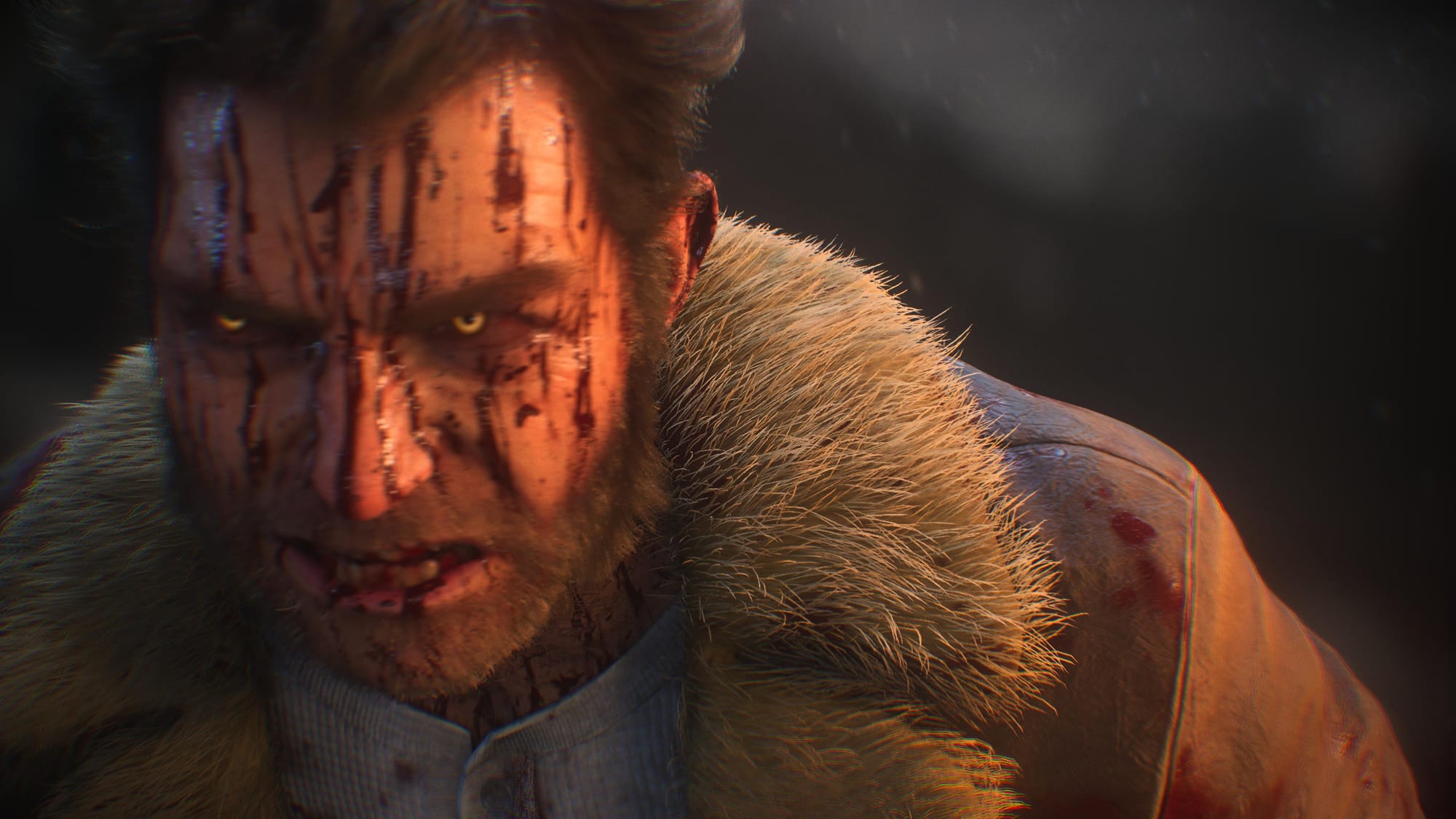
Love it or hate it, controversy has always been part of the franchise identity. GTA consistently exaggerates situations precisely to satirize human behavior, sensationalist media, and American culture.
Grand Theft Auto IV: The HD Era Dawns with a Darker Vision
After the colossal excess of San Andreas, which fully exploited the PlayStation 2 potential, Grand Theft Auto IV completely changed the series direction. The game inaugurated the Rockstar HD era with a new approach. The studio bet on a much more realistic Liberty City, directly inspired by contemporary New York. The focus shifted to advanced physics, urban detail, a more serious narrative, and emotionally broken characters. Niko Bellic quickly became one of the most memorable protagonists in the franchise. A former soldier trying to escape his past, he represented a bitter vision of the American dream, addressing immigration, war trauma, violence, and disillusionment.
The game divided opinions because it reduced many of San Andreas activities in favor of a more grounded experience. Still, Grand Theft Auto IV was essential for consolidating the Rockstar HD era. The downloadable content Grand Theft Auto IV: The Lost and Damned and Grand Theft Auto IV: The Ballad of Gay Tony also helped expand the concept of multiple perspectives within the same city.
Grand Theft Auto V and the Three-Protagonist Formula
In 2013, Grand Theft Auto V arrived and once again redefined the franchise scale. The concept of three protagonists Michael, Franklin, and Trevor allowed Rockstar to explore different social classes, lifestyles, and types of humor within the same narrative. Los Santos became a gigantic caricature of contemporary American culture: superficial social media, empty celebrities, excessive consumerism, opportunistic influencers, and millionaires completely detached from reality. In other words, the internet turned into a playable map.
The game also marked an absurd obsession with detail. Rockstar conducted extensive research in Los Angeles, registering thousands of photos and videos to recreate the city with remarkable fidelity. Despite feeling dated in some aspects, the title aged well, especially with the improvements Rockstar delivered. The game received an enhanced version with upgrades for the PlayStation 5 and Xbox Series X/S, making the experience as timeless as Grand Theft Auto San Andreas and other classics in the saga.
What Is GTA Online and Why Did It Change the Franchise Forever?
While Grand Theft Auto V was a success, one part of the game grew even larger than Trevor, Michael, and Franklin combined. The launch of Grand Theft Auto Online completely transformed the franchise business model, introducing a new protagonist: the player themselves. Initially seen as merely a multiplayer complement, GTA Online evolved into a massive platform with constant updates, new heists, vehicles, properties, and special events. The game remained relevant for over a decade, spanning three console generations and surviving even the announcement of Grand Theft Auto VI.
GTA Online also achieved the miraculous feat of reinventing itself thanks to the power of its community. Beyond receiving official expansions, the title gained a second life through roleplay modes, which brought players creating more realistic stories within the game and even forced Rockstar to acquire Cfx.re, the team behind the modified FiveM and RedM servers. This effect directly changed how Rockstar produces its games, keeping Grand Theft Auto V alive across generations. The absurd financial success of the online component also increased the pressure on Grand Theft Auto VI, as the company spent years sustaining one of the industry most prominent live-service offerings.
Grand Theft Auto VI: Returning to Vice City in the Age of TikTok
Grand Theft Auto VI arrives on November 19 for PlayStation 5 and Xbox Series X/S, surrounded by expectations that are almost impossible to measure. The game represents not just a new sequel but Rockstar attempt to update the franchise identity for an era dominated by social media, digital culture, and hyper-connectivity. Vice City returns in a modern reinterpretation inspired by contemporary Florida, with more realism and cynicism. The formula now includes influencers, viral moments, crimes recorded on cell phones, and the chaotic logic of today internet. If Vice City in the 1980s was exaggerated, imagine Vice City in the middle of TikTok.
Another historic point is the presence of Lucia, the first female playable protagonist in the main series. The change marks an important evolution for the franchise without abandoning its narrative identity focused on organized crime, promising a Bonnie and Clyde dynamic with the co-protagonist Jason. With a megalomaniacal formula, all indications suggest that Grand Theft Auto VI will be more than just a bigger GTA. The game appears to be an attempt to redefine once again what an open world can offer exactly as Grand Theft Auto III did in 2001.
Today, the Grand Theft Auto series has sold hundreds of millions of copies and established itself as one of the most valuable properties in entertainment. But GTA impact goes beyond numbers. The franchise has influenced game design, interactive narrative, open-world construction, cinematic direction, dynamic radio use, urban artificial intelligence, and even marketing strategy in the games industry. Each new release in the series becomes a global event, and the arrival of Grand Theft Auto VI proves this with every passing day.

Over nearly thirty years, GTA has evolved from pixelated 2D chaos to absurdly detailed cities and worlds that attempt to simulate entire societies. Few franchises have managed to evolve so thoroughly without completely losing their essence. And perhaps that is Grand Theft Auto greatest strength: regardless of the technology, the generation, or the controversy of the moment, the series always finds a new way to transform chaos into spectacle.