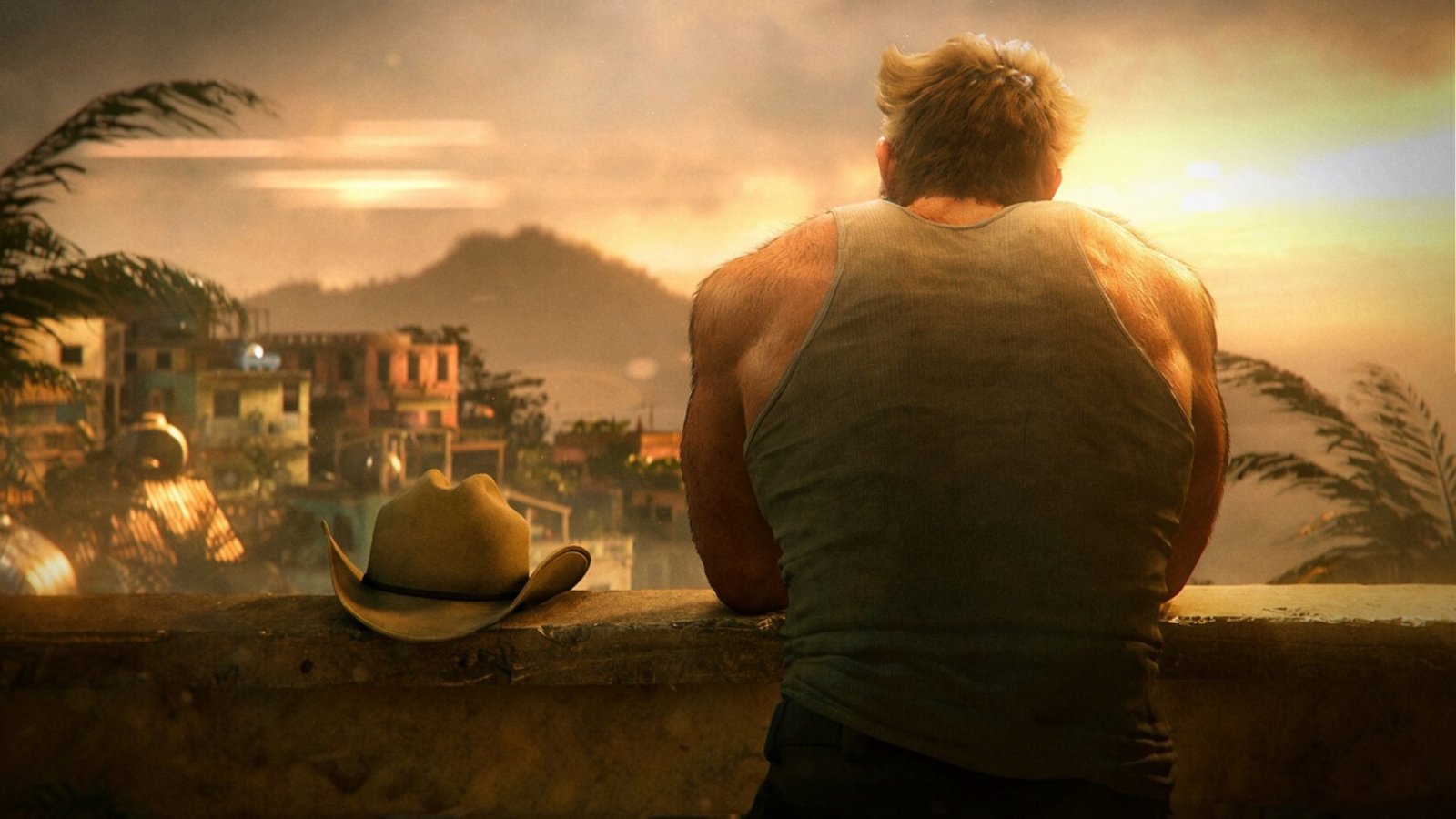
With the highly anticipated launch of Crimson Desert just around the corner, many players are beginning to wonder exactly what kind of game they are getting into. While the project was initially announced years ago as a traditional RPG, developer Pearl Abyss has since clarified that the final product is something different entirely. According to the studio, Crimson Desert is not an RPG, but rather an open-world action-adventure game. For fans of the genre, this distinction raises a crucial question: if there are no experience points or traditional leveling, how does progression actually work? More importantly, how does this philosophy shape the combat and exploration that sit at the very heart of the experience? In this article, we break down everything you need to know about the game’s unique approach to character growth and its dynamic, brawler-inspired combat system.
The Heart of the Game: A Combat System Built on Physics and Fluidity
When the developers at Pearl Abyss state that combat is the “heart” of Crimson Desert, they aren’t exaggerating. Unlike traditional RPGs where success often depends on statistical damage calculations and dice rolls, Crimson Desert focuses on player skill, timing, and environmental interaction. The combat starts grounded and realistic—reminiscent of games like Kingdom Come: Deliverance or Mount & Blade—but quickly escalates into something far more fantastic as you progress.
At its core, the melee system is physics-based and highly interactive. Players controlling the protagonist, Cliff, can punch, grab, and throw enemies with surprising fluidity. The trailers have showcased moves straight out of a martial arts film, including suplexes, tackles, and even a devastating “Izuna Drop” that would make any Ninja Gaiden fan smile. You aren’t just limited to your own weapon, either; the environment is your arsenal. You can hurl an enemy through a wooden palisade or grab one bandit and throw him into another to knock them both down.
What truly sets this system apart, however, is the apparent depth of the hand-to-hand combat. Early previews suggest that the character’s fists have their own damage attributes. This opens the door for players to potentially create a dedicated “brawler” build, focusing entirely on wrestling and striking rather than swordplay—a rarity in games of this scale.
From Grounded Brawls to Supernatural Spectacles
As you explore the five massive regions of the map, your combat capabilities evolve from simple sword-and-shoulder tactics to full-blown supernatural abilities. The game introduces a skill system that allows Cliff to teleport across the battlefield, perform torpedo kicks from absurd heights, and chain together aerial combos.
Magic plays a significant role in this evolution. An elemental wheel featured in the gameplay reveals at least five distinct schools of magic: Fire, Ice, Lightning, and Wind. These aren’t just particle effects; they fundamentally change how you approach encounters. For example, using Wind magic allows you to suspend multiple enemies in the air before delivering a divekick that sends them scattering. Lightning, on the other hand, can chain between three foes at once, offering a tactical advantage against groups.
This blend of raw physicality and elemental power creates a combat loop that feels less like a stat-check and more like a character action game. Whether you are dueling a human swordsman in a tactical showdown or using a grappling hook to board a giant mechanical monster, the emphasis remains on moment-to-moment action rather than menu navigation.
No Experience Bars: How Progression Actually Works
If Crimson Desert lacks experience points and character levels, how does Cliff actually grow stronger? The answer lies in a three-pronged system that rewards exploration, observation, and combat prowess rather than grinding. According to the developers, progression is tied directly to three core pillars: Equipment, Artifacts, and Observation.
Equipment functions much as you would expect in an action game. Weapons and armor can be purchased from vendors, found in hidden chests, or crafted and upgraded at blacksmiths. To enhance your gear, you will need to gather materials through mining, hunting, and defeating bosses. There is also an enchanter NPC who allows for stat customization and the application of special effects, ensuring that your gear can be tailored to your specific playstyle. Notably, weapons can also receive “Abyss Gear” enhancements, which add bonuses such as increased attack speed, critical hit chance, or extra damage against powerful foes.
Artifacts serve as the closest thing to a traditional stat increase. These items are scattered throughout the world and are obtained through quests, exploration, clearing enemy camps, and defeating bosses. Instead of granting experience points, artifacts directly improve your base attributes like health and stamina. More importantly, they are the primary method for unlocking new active abilities or enhancing the ones you already have. This means that if you want to expand your move set, you cannot simply grind mobs; you must venture out and discover these hidden relics.
Learn by Watching: The Observation System
Perhaps the most innovative and intriguing progression mechanic in Crimson Desert is the Observation system. Rather than learning new skills solely from menus or trainers, Cliff can acquire abilities by simply watching the world around him. The first trailer demonstrated this by showing Cliff learning to fish just by observing an NPC cast a line.
However, the system extends far beyond peaceful activities. During combat, if an enemy lands a particularly effective move on you—perhaps a combo that sends you flying—you have the opportunity to learn that technique. By paying attention to enemy tactics, you can eventually turn the tables and use those same moves against them. This mechanic, while reminiscent of cult classics like Shenmue, feels revolutionary in a game of this scale and budget. It encourages players to slow down and observe rather than simply hack and slash their way through encounters.
To top it all off, Pearl Abyss has confirmed that players can reset their stats. The menus clearly show a reset button, allowing you to redistribute your attributes without punishment if you feel you have made a mistake or simply want to try a new build. This flexibility ensures that players are free to experiment with the brawler, mage, or hybrid playstyles without the fear of permanently “ruining” their character.
Three Characters, Three Combat Philosophies
For years, marketing material led players to believe that Crimson Desert would be a solo journey centered entirely on Cliff, the leader of the Greymane clan. However, recent revelations have confirmed that the final game will feature three distinct playable characters. This addition significantly expands the tactical depth of the game and reinforces the idea that this is an action-adventure title first and foremost, offering varied gameplay styles rather than rigid class systems.
Cliff remains the primary protagonist for the main story quests. His combat style is best described as a versatile all-rounder. He starts with grounded sword-and-shield tactics but gradually evolves into a supernatural warrior capable of teleportation, elemental magic, and aerial combat. His traversal abilities include spectral wings, allowing for extended gliding and dynamic approaches to encounters.

Damien offers a stark contrast to Cliff’s balanced approach. She is a ranged specialist, wielding pistols, muskets, and rifles to eliminate threats from a distance. When enemies close the gap, she is far from defenseless; she employs a rapier and shield for precise, tactical close-quarters combat, or can switch to a massive greatsword for devastating power. Her toolkit also includes acrobatic kicks, including a spinning maneuver that transitions into an Izuna drop and execution. For traversal, Damien utilizes a thruster system, replacing Cliff’s ethereal wings with a more technological approach to mobility. This makes her feel less like a mage and more like a gun-slinging duelist.
Unka, an imposing orc, represents the pure brute force option. His combat is heavy, impactful, and designed for crowd control. Wielding massive two-handed axes and giant hammers, Unka can charge his strikes to send five or six enemies flying with a single swing. He can pick up foes and hurl them into others, using the environment and enemies themselves as projectiles. His most unique tool is the “rendicannon”—literally a cannon mounted on his hand—which allows for devastating explosive firepower. For players who prefer to simply bulldoze through opposition, Unka is the ideal choice.
Crucially, these are not simple reskins. Each character has exclusive armor sets and unique gadgets that fundamentally alter how they interact with the world. Damien’s royal warrior aesthetic, complete with white capes and golden gauntlets, contrasts sharply with Unka’s brutal, war-torn appearance. This variety suggests that side content and exploration will feel radically different depending on which character you choose, greatly enhancing replayability.
Mounted Combat and Vertical Mayhem
The action-adventure philosophy extends to how players interact with the world while mounted. Crimson Desert features a robust mounted combat system that goes beyond simply swinging a sword from horseback. Players can fight atop bears, controlling the beast’s movements while simultaneously swinging their own weapon. The environment becomes a playground for improvisation; if you lack a mount, you can use your grappling hook to knock an enemy off theirs and steal it mid-combat—a mechanic that perfectly encapsulates the game’s blend of fantasy and chaotic freedom.
This focus on verticality and traversal ties directly into the combat sandbox. The grappling hook, combined with a stamina-based glider, allows for dramatic entrances and escapes. You can swing from cliffs, pull yourself toward flying enemies, or combine the hook with the glider to cross enormous distances. As you progress, you gain access to even more outlandish traversal options, including mechs, flying dragons, and double jumps. The game actively encourages players to experiment, turning the massive map into a playground that would make even the protagonist of Just Cause jealous.
A World Without Icons: Exploration as Progression
When Pearl Abyss claims that the Crimson Desert map is twice the size of Skyrim and technically larger than Red Dead Redemption 2, the immediate reaction is often skepticism. However, the developer has been careful to emphasize that size alone is meaningless without density and purpose. What truly sets this world apart is the philosophy behind its design: exploration is the reward.
The game is divided into five distinct regions, each with its own visual identity and thematic tone. Herdand, the starting area, offers a bucolic, almost English countryside aesthetic with rolling pastures, mountains, and rivers. Palum serves as the snowy northern homeland of the Greymane clan, steeped in tradition and harsh beauty. Denos functions as the political and military heart of the continent, featuring imposing castles and bustling military camps. Then there is Delia, the technological marvel of the world, where steampunk aesthetics dominate with flying machines, robots, and scientific wonders that feel completely alien compared to the rest of the game. Finally, the titular Crimson Desert itself is a lawless, arid wasteland brimming with mystery and danger.
What makes exploration in these regions so compelling is the absence of traditional level gates. From the moment you start the game, you have access to the entire map. Want to wander into the high-tech cities of Delia with its crazy robots? Go ahead. Feel like braving the lawless sands of the Crimson Desert? Nothing stops you—except, of course, the very real possibility that you will encounter enemies far beyond your current capabilities. This “no level gate” approach respects player agency while encouraging organic discovery.
Unmarked Secrets and Zelda-Like Puzzles
In an era where open-world games are often criticized for cluttering maps with hundreds of collectible icons, Crimson Desert is taking the opposite approach. Pearl Abyss has made it clear that most of the world’s content is unmarked. There are no endless checklists of fetch quests or meaningless trinkets to collect. Instead, the game wants you to stumble upon its secrets naturally.
Treasure maps, reminiscent of Red Dead Redemption, guide players toward hidden loot without simply placing a waypoint on the screen. Secret doors blend into cliff faces, waiting for observant players to notice the subtle crack in the stone. Puzzles are scattered throughout the world, ranging from simple environmental challenges to complex mechanical conundrums.

The floating ruins, in particular, showcase the game’s ambition in this area. These sky-bound structures feature puzzles where players must manipulate objects with lasers and reposition geometric pieces to activate ancient mechanisms. If you have played The Legend of Zelda: Tears of the Kingdom, you will immediately recognize the vibe—a sense of discovery that comes from interacting with the world rather than simply following a marker.
Bosses as Landmarks
Perhaps the most exciting aspect of exploration is how Crimson Desert integrates its bosses into the open world. Some of the most memorable encounters are not triggered by quests or cutscenes but by sheer curiosity. You might be walking through a canyon, turn a corner, and come face-to-face with a giant yeti or a mechanical pterodactyl that you were clearly not prepared to fight. These encounters are optional, terrifying, and utterly exhilarating.
This design philosophy turns the map itself into a character. The sky is also part of the exploration, connected to a mysterious dimension known as the Abyss, which plays a crucial role in the story. Floating ruins and portals lead to this otherworldly realm, offering vertical exploration that complements the ground-level adventure. And yes, you can fly on a dragon to reach these sky-high secrets, further reinforcing the idea that if you can see it, you can probably find a way to get there.
Boss Battles: From Duels to Warships
If combat is the heart of Crimson Desert, then the boss battles are its pulse. Pearl Abyss has pulled out all the stops when it comes to variety and spectacle, creating encounters that range from intimate one-on-one duels to large-scale chaos that wouldn’t feel out of place in a disaster movie. The developers seem determined to ensure that no two boss fights feel the same.
At the grounded end of the spectrum, players can expect tactical sword duels against human opponents. These encounters focus on timing, parries, and reading enemy movements—a test of skill that rewards mastery of the core combat mechanics. However, things quickly escalate from there. Trailers have revealed a menagerie of colossal creatures, including a giant yeti, a hairy white spider straight out of a nightmare, and a massive serpent made of pure energy that coils through the sky.
The technological side of the world introduces even more absurd threats. Delia’s influence extends to the bestiary, with mechanical dragons and tanks inspired by Leonardo da Vinci’s drawings making appearances. Perhaps the most jaw-dropping reveal so far is Cliff fighting a warship. Yes, a full-scale naval vessel, seemingly lifted from an Ace Combat game, becomes a boss encounter. Players must contend with artillery barrages, board the ship, and dismantle it piece by piece.
What makes these encounters truly special is the dynamic shift in gameplay they require. Some bosses force you into aerial combat, utilizing your dragon or glider to stay alive. Others might require you to pilot a mech to even the playing field. And then there are the pure, grounded duels that strip away all the spectacle and force you to rely on nothing but skill. This variety demonstrates a level of confidence from Pearl Abyss; they are showing off the craziest ideas they have, and if this is what they are revealing before launch, one can only imagine what remains hidden.
Factions That Actually Change the World
Exploration and combat are further enriched by a dynamic faction system that gives players meaningful choices with tangible consequences. Unlike many open-world games where factions serve as little more than quest hubs, the groups in Crimson Desert actively shape the state of the world around you.
Missions come in the style of The Witcher, with contracts and bounties that send you after specific monsters or threats. However, faction-specific missions offer far greater stakes. These can range from simple tasks, like gathering resources, to full-scale castle sieges featuring exclusive bosses that cannot be found anywhere else. The outcomes of these missions have real weight.
If you choose to help a faction retake a city, the effects are immediate and visible. Civilians move back into the area, shops reopen for business, and the region becomes safer for travel. Conversely, if you clear out enemy fortresses, the balance of power shifts, altering who controls that territory. Unlike Fallout: New Vegas, where you often have to pick a side and lock yourself out of others, Crimson Desert treats factions as fixed entities—some are friendly, some are hostile. The choice lies in whether you decide to aid them, and the world evolves based on those decisions.

The Mystery of Reconstruction
One of the most intriguing mechanics hinted at in trailers and gameplay reveals is the Reconstruction system. Cliff’s primary motivation is to reestablish the Greymane clan, and it appears that this goal extends beyond simple narrative progression. Players will need to collect resources—stone, wood, and supplies—likely obtained through faction missions or exploration, to rebuild.
This suggests some form of village or base-building mechanic. The exact depth of this system remains unclear. It could be similar to the Ravensthorpe settlement in Assassin’s Creed Valhalla, where building upgrades unlock new services and quests. Alternatively, it might be a more involved system that allows for meaningful customization of your clan’s home. Vendors selling tools like hammers and picks further support the idea that gathering and construction will play a significant role.
Given that finding a home for your people is one of the central objectives of the game, it is safe to assume that Reconstruction will tie directly into both gameplay and story progression. Whether it remains a side activity or becomes a core loop, it adds another layer to an already dense package.
Release Date, Platforms, and Community Feedback
After years of anticipation and speculation, Crimson Desert finally has a concrete release date. The game is scheduled to launch on March 19 for PlayStation 5, Xbox Series X|S, and PC. This simultaneous release across current-generation consoles and PC ensures that the vast majority of players will be able to experience the game at the same time, maximizing the potential for community discussion and discovery.
Perhaps the most encouraging sign for potential players is Pearl Abyss’s approach to community feedback. The developer has already demonstrated a willingness to listen and adapt based on player reactions to trailers and previews. When some viewers expressed concern that the visual effects during combat were overly flashy or cluttered, Pearl Abyss responded by implementing a slider that allows players to reduce or turn off these effects entirely. This level of responsiveness, implemented even before the game’s launch, suggests a developer that is confident in its product and attentive to player preferences.
This attention to detail extends to performance as well. While specific frame rate and resolution targets have yet to be fully detailed for each platform, the trailers showcase incredibly detailed environments, complex physics interactions, and massive battles with dozens of enemies on screen. The game runs on Pearl Abyss’s proprietary engine, the same technology that powered Black Desert Online, but heavily upgraded to handle the scale and fidelity of Crimson Desert.
The Potential and The Risk
It would be irresponsible to ignore the elephant in the room. Crimson Desert looks almost too good to be true. The gaming industry has a long and painful history of ambitious projects that promised the moon but delivered something far less remarkable. From the outside looking in, Pearl Abyss is promising a game with a map twice the size of Skyrim, combat that rivals dedicated character action games, three fully fleshed-out playable characters, dynamic factions, village building, and boss encounters that span warships and mechanical dragons.
That is an absurdly ambitious checklist.
However, what inspires cautious optimism is the consistency of what has been shown. Every trailer, every gameplay deep dive, and every developer interview reinforces the same vision. The combat footage is not pre-rendered CGI; it appears to be actual in-engine gameplay. The systems described—Observation, Artifacts, unmarked exploration—are not vague promises but mechanics that have been demonstrated in some form. Even the questionable decision to clarify that the game is “not an RPG” feels less like a downgrade and more like a reframing of expectations. They are not trying to sell a sprawling stat-driven epic; they are selling a focused, action-first experience.
The Verdict: What to Expect on March 19
If Pearl Abyss delivers even 70% of what they have shown, Crimson Desert could easily stand alongside the giants of the open-world genre. The potential is there to capture the sense of discovery that made The Legend of Zelda: Breath of the Wild so magical, the combat depth that keeps players returning to games like Devil May Cry or Ninja Gaiden, and the world reactivity that made The Witcher 3 so beloved.
The comparison to The Witcher 3 is particularly apt. That game set a new standard for narrative-driven open worlds when it launched. Crimson Desert has the potential to do the same for action-focused open worlds, proving that you can have depth, spectacle, and player freedom without relying on RPG stat mechanics.
Of course, it could also be the next cautionary tale—a game that looked incredible in trailers but crumbled under the weight of its own ambition. The video game graveyard is filled with such tombstones.
On March 19, we will finally know which path Crimson Desert takes. Until then, the trailers, the previews, and the detailed breakdowns offer plenty of reason to hope. The map is massive, the combat looks fluid, the characters are distinct, and the world seems alive with secrets. Whether you plan to play as Cliff, Damien, or Unka, one thing is certain: the journey through the five regions of this world will be one of the most talked-about gaming experiences of 2026.