The roguelite genre has exploded in recent years, producing both indie darlings and mainstream successes that redefine what procedural generation and permadeath mechanics can achieve. From the deck-building mastery of Slay the Spire to the poker-inspired chaos of Balatro, the formula has proven endlessly adaptable. When publisher Fireshine Games—known for curating interesting indie titles—attached its name to a new sci-fi roguelite called ITER-8, expectations naturally followed. The premise promised a compelling loop: pilot a modular ship through hazardous sectors, managing crew, resources, and combat in a desperate bid for survival. After extensive play, however, the reality of ITER-8 is a experience that feels more like a promising prototype than a polished final product, struggling to find its identity amidst a sea of superior competitors.
First Impressions and Core Gameplay Loop
Loading into ITER-8 initially presents a clean, if somewhat sterile, sci-fi aesthetic. The hub interface is functional, introducing the player to the core conceit: you command a spacecraft, assembling a crew and outfitting modules before embarking on runs through a branching map of sectors. The promise of deep systems is immediately apparent. You manage power allocation between ship systems, direct crew members to repair breaches or man battle stations, and engage in real-time space combat. On paper, this synthesis of roguelite progression, real-time tactics, and simulation elements is ambitious.
Where the Systems Begin to Crumble
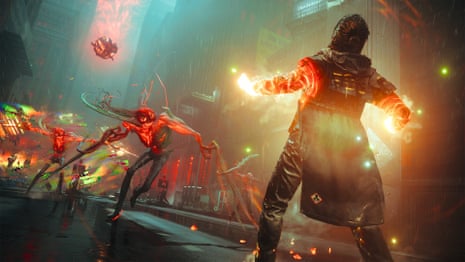
Unfortunately, ambition often outpaces execution. The real-time combat, which should be the thrilling climax of each sector, frequently devolves into a confusing mess. Visual clarity is a significant issue; with multiple enemy ships, projectile effects, and UI elements on screen simultaneously, it becomes extraordinarily difficult to parse what is happening. The feedback for taking damage or successfully destroying an enemy module is underwhelming, lacking the visceral or audiovisual punch that makes combat in similar games satisfying. This lack of clarity extends to the strategic layer. Decisions about power management and crew assignment feel impactful in theory, but in practice, their effects are often obscured by unclear tooltips and a UI that buries critical information.
The Roguelite Progression Problem
A successful roguelite lives or dies by its meta-progression—the permanent upgrades and unlocks that make each failed run feel like a step forward. ITER-8 implements this system, but it feels perfunctory and unsatisfying. Unlocks between runs often grant minor statistical boosts or new, marginally different crew members. They rarely introduce transformative new mechanics or dramatically alter playstyle, which is the lifeblood of genre greats. After several hours, the drive to “just one more run” to unlock the next incremental upgrade fades quickly, replaced by a sense of repetition without meaningful evolution.
Comparison to Genre Standouts
Contrasting ITER-8 with its inspirations and peers highlights its shortcomings. FTL: Faster Than Light mastered tense, tactical ship management with crystal-clear communication of game states. Slay the Spire offers breathtaking depth in its card synergies, where every unlock can inspire a wholly new archetype. Even within the niche of “crew management roguelites,” titles like Space Crew deliver a more focused and enjoyable experience. ITER-8 seems caught between wanting to emulate these successes and carving its own path, ultimately doing neither with enough conviction or polish to stand out.
Narrative and World-Building Shortfalls
The game’s setting—a fractured galaxy where humanity iterates on itself through cloning and AI—is ripe for interesting storytelling. Roguelites have proven adept at weaving narrative through environmental clues, item descriptions, and incremental discovery. ITER-8, however, leaves its narrative potential almost entirely untapped. Crew members are defined by a portrait and a handful of stats, devoid of personality or backstory. Sector descriptions are generic, and the overarching goal lacks any compelling context. This creates a profound sense of detachment; you are not fighting for a cause or characters you care about, but simply pushing numbers around a board until you lose.
Technical Performance and Presentation
On a technical level, ITER-8 runs without major crashes or game-breaking bugs, which is a baseline expectation. However, the presentation consistently undermines the experience. The art style is serviceable but lacks a distinctive flair, making sectors blur together. The sound design is particularly lackluster; weapon impacts sound weak, and the soundtrack fails to build tension or excitement during critical moments. In a genre where atmosphere is key to immersion, these elements feel like an afterthought, further distancing the player from the action on screen.
The Publisher Paradox: Fireshine Games’ Role
Fireshine Games’ involvement is perhaps the most puzzling aspect of ITER-8’s release. The publisher has a track record of bringing interesting and often polished indie experiences to market. Their backing suggests a level of quality assurance and developmental support that ITER-8 does not visibly reflect. This raises questions about whether the game was released prematurely, before its interconnected systems could be refined and its identity solidified. For players, it serves as a reminder that a reputable publisher’s name, while a positive signal, is not an absolute guarantee of a finished or fulfilling product.
Potential and the Road Ahead
It would be disingenuous to claim ITER-8 is without merit. The foundational idea—blending real-time ship combat with crew simulation in a roguelite framework—remains a good one. In isolated moments, when systems align, there’s a glimpse of a compelling game. The modular ship customization offers a tangible sense of ownership, and managing a crisis with multiple hull breaches while under fire can create genuine, if fleeting, tension. These moments suggest that with significant post-launch support, focused patching, and perhaps a major content overhaul, ITER-8 could evolve into something noteworthy.
Who Might Find Value in ITER-8?
The game is not without a potential audience. Die-hard roguelite enthusiasts who have exhausted the genre’s classics and crave any new system to dissect may find some intellectual curiosity in its mechanics. Players deeply fascinated by spaceship simulation, who prioritize system interaction over polished presentation or tight balance, might also extract some enjoyment. However, for the vast majority of players, especially those new to the genre or seeking a refined, engaging experience, ITER-8 in its current state is a difficult recommendation. Its asking price positions it against titans of the genre, and it simply does not compete on any front—depth, polish, originality, or sheer fun.
In the crowded landscape of indie gaming, a title must either execute a familiar concept with exceptional polish or dare to innovate in a meaningful way. ITER-8 attempts a bit of both but stumbles in the execution of its core gameplay and the implementation of its progression systems. The result is a game that feels perpetually in early access, showcasing a skeleton of interesting ideas desperately in need of flesh, blood, and a cohesive soul. For now, it remains a curious footnote—a game that serves better as a case study in ambitious design than as a destination for players seeking their next roguelite obsession. The journey of iteration, much like the game’s title implies, appears to be far from complete.