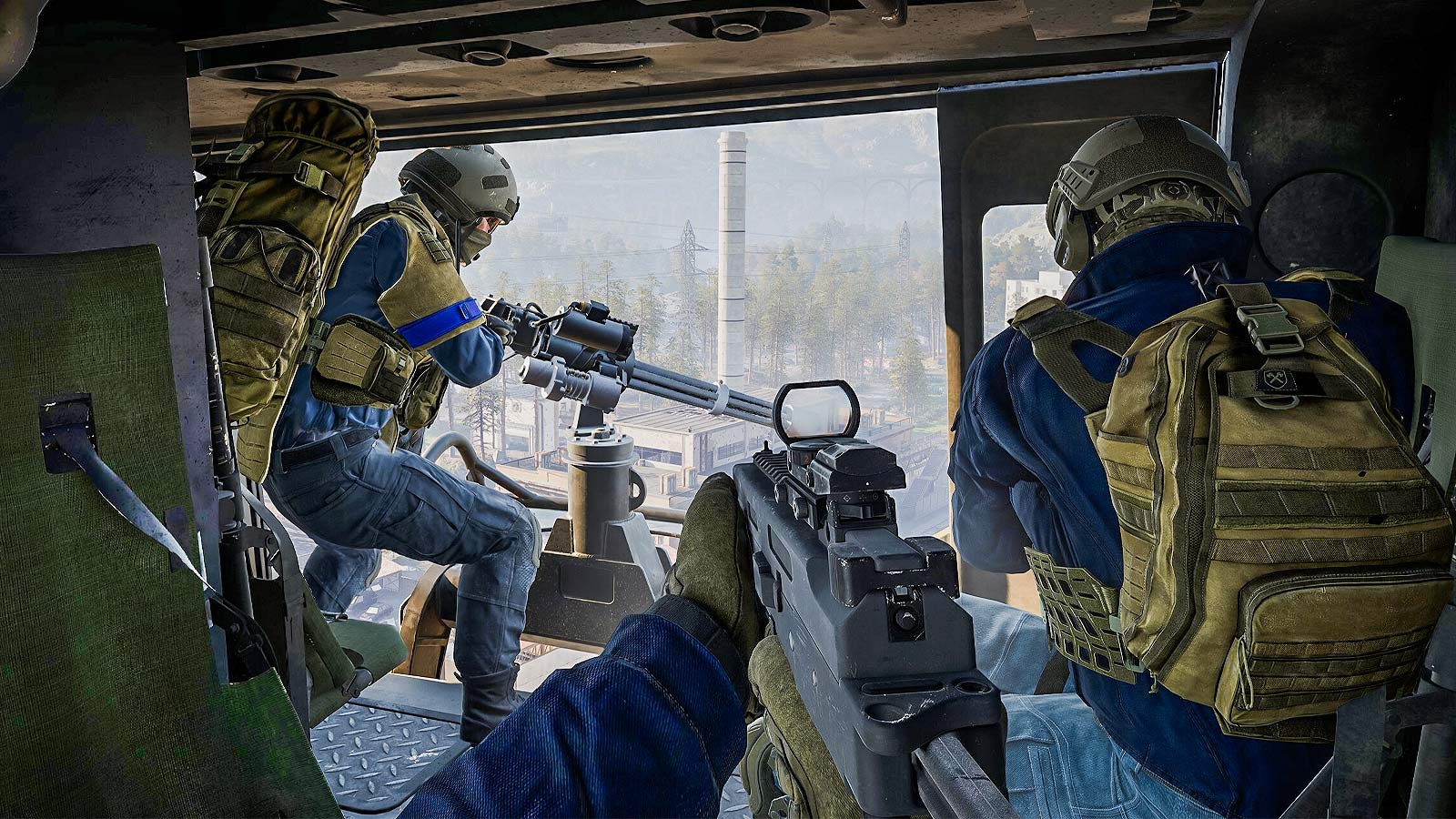
Among the first sights in the Marathon reboot playtest is a close-up of a barcoded moth, eagerly consuming larval diodes—a cybernetic insect motif that sets the tone for an experience where players navigate overheated silicon canyons, nuzzling at chips in a world that feels like a living Nvidia graphics card. This visual direction, revealed in recent testing phases, underscores a broader trend in first-person shooters where graphical fidelity and hardware-inspired aesthetics merge to create immersive, technologically resonant worlds. As developers push the boundaries of real-time rendering, Marathon emerges as a potential benchmark for how GPU architecture can influence game design, blending art with the very silicon that powers it.
The Rise of Hardware-Inspired Visual Design in Gaming
In recent years, the gaming industry has increasingly drawn inspiration from the underlying technology that drives it, particularly graphics processing units (GPUs). Nvidia, as a leader in this space, has not only advanced rendering techniques like ray tracing and DLSS but has also influenced artistic directions in games. The Marathon reboot, developed by Bungie, exemplifies this by crafting environments that echo the intricate, neon-lit pathways and cooling systems of modern GPUs. This isn’t merely a technical showcase; it’s a deliberate aesthetic choice that reflects the era of high-performance computing, where games are as much about visual storytelling as they are about gameplay mechanics.
Marathon’s Visual Philosophy: From Cybernetic Insects to Silicon Landscapes
The playtest introduces players to a dystopian sci-fi universe where cybernetic motifs dominate, from barcoded moths to larval diodes. These elements serve as more than just set dressing; they symbolize the integration of biology and technology, a theme central to the game’s narrative. The environments are designed to resemble the internal components of a GPU, with sprawling silicon canyons, glowing circuit boards, and thermal management systems that double as level geometry. This approach creates a cohesive world that feels both alien and familiar, tapping into the subconscious recognition of computer hardware that defines contemporary digital culture.
Symbolism and Player Immersion
The use of cybernetic insects, such as the moth feeding on diodes, acts as a metaphor for players themselves—consumers of technology navigating a world built on chips and code. This layer of symbolism enhances immersion, encouraging players to reflect on their relationship with hardware while engaging in fast-paced shooter action. By embedding these motifs, Bungie aims to foster a deeper connection between the game’s world and the real-world technology that enables it, making the experience feel relevant to an audience accustomed to Nvidia’s dominance in the GPU market.
Technical Foundations: Ray Tracing and GPU-Driven Graphics
Behind Marathon’s visuals lies a robust technical framework leveraging Nvidia’s latest advancements. Ray tracing, for instance, is employed to simulate realistic lighting within the silicon canyons, casting dynamic shadows and reflections that mimic the behavior of light in a GPU’s intricate architecture. Additionally, features like DLSS (Deep Learning Super Sampling) ensure smooth performance without compromising detail, allowing the game to maintain high frame rates even in densely rendered scenes. This technical prowess isn’t just for show; it directly impacts gameplay by enhancing visibility, environmental interaction, and overall responsiveness.
Comparison to Other FPS Titles Embracing Hardware Aesthetics
Marathon isn’t the first game to draw from hardware inspiration, but it stands out for its holistic integration. Titles like “Cyberpunk 2077” have utilized ray tracing to create neon-drenched cities, while “Doom Eternal” incorporates fast-paced action optimized for high-end GPUs. However, Marathon takes this further by making the GPU’s physical structure a core part of its world-building. Unlike games that use technology as a backdrop, Marathon’s environments are explicitly modeled after Nvidia graphics cards, offering a unique blend of artistry and engineering that could set a new standard for future shooters.
Player Feedback and Community Reactions
Early playtest responses have highlighted the visual novelty, with many players praising the game’s ability to evoke the feeling of “being inside a graphics card.” Community forums and social media discussions often note the seamless blend of cybernetic elements with shooter mechanics, suggesting that this aesthetic could appeal to both hardcore gamers and tech enthusiasts. However, some have raised concerns about accessibility, questioning whether lower-end hardware can adequately render these detailed environments. Bungie has yet to address these points fully, but the playtest indicates a focus on cutting-edge technology, potentially aligning with a 2026 release that targets next-gen GPUs.
The Future of Graphical Fidelity in First-Person Shooters
As games like Marathon push visual boundaries, the industry is poised for a shift where hardware aesthetics become a more prominent design language. This trend is driven by the increasing capabilities of GPUs, which allow developers to create worlds that are not only realistic but also conceptually tied to the technology itself. In the coming years, we may see more shooters incorporating elements inspired by CPU architectures, memory modules, or even cooling systems, turning technical specs into artistic assets. This evolution could redefine immersion, making players more aware of the hardware that powers their experiences while delivering unprecedented visual depth.
Implications for Game Development and Hardware Marketing
The synergy between game design and GPU technology has significant implications for both developers and companies like Nvidia. For developers, it offers new avenues for creative expression, enabling worlds that resonate with tech-savvy audiences. For hardware manufacturers, it serves as a marketing tool, showcasing their products’ capabilities through immersive demonstrations. Marathon, in this context, could function as a benchmark title, encouraging players to upgrade their systems to fully appreciate its aesthetics. This symbiotic relationship may accelerate innovation, leading to games that are increasingly tailored to specific hardware features.
Ultimately, Marathon’s reboot playtest reveals a future where first-person shooters are not just played on graphics cards but are designed to feel like them. By weaving cybernetic motifs with Nvidia-inspired visuals, Bungie crafts an experience that celebrates the technology underpinning modern gaming. As players navigate those silicon canyons, they’re reminded that every frame rendered is a testament to the artistry of both game developers and hardware engineers, blurring the lines between virtual worlds and the real devices that bring them to life.