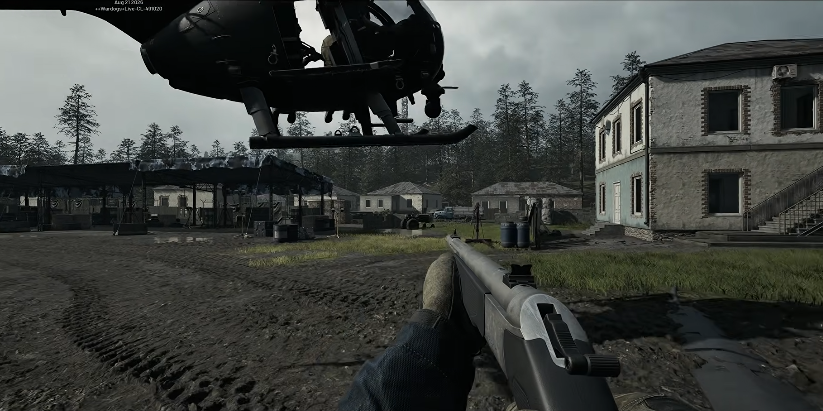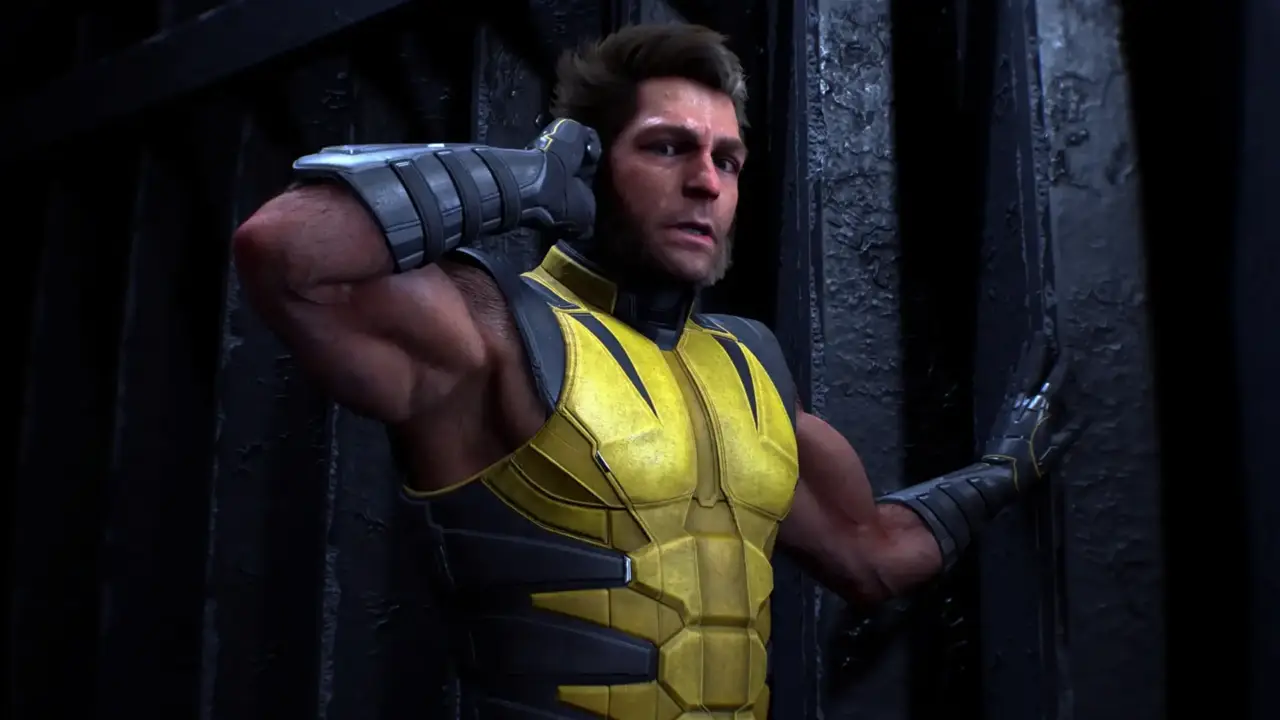
In a rare moment of corporate candor within the video game industry, Pearl Abyss CEO Heo Jin-young has openly admitted to one of Crimson Desert’s most persistent criticisms. During a recent shareholder Q&A session, Heo directly addressed the widespread feedback that the game’s narrative failed to match the ambition and quality of its gameplay systems. This admission is not just a response to players and critics but reflects an internal sentiment shared by the development team itself.
The CEO’s Candid Admission on Narrative Shortcomings
Heo Jin-young did not mince words when discussing the title’s reception. “The disappointment with the lack of story is something the development team feels as keenly as the users,” he stated, bridging the gap between creator and consumer. He went a step further, taking direct responsibility for the creative misstep: “The fact that we were not able to improve this is due to our own shortcomings.” This level of transparency is uncommon, particularly for a game that has achieved significant commercial success, nearing five million units sold.
The CEO’s comments validate a critical consensus that emerged following Crimson Desert’s launch. Reviewers and players alike praised the game’s visceral combat, deep character progression, and vast, reactive open world. However, the narrative—a key pillar for any story-driven RPG—was frequently cited as underwhelming, disjointed, or forgettable. Heo’s acknowledgment confirms that this was not an oversight by reviewers but a recognized flaw in the product’s execution.
Development Priorities and the Gameplay Focus
Heo provided context for how the narrative ended up as a secondary concern. The development philosophy, he explained, was to double down on the studio’s established strengths. “We focused on strengthening the gameplay aspects we are good at,” he said. For Pearl Abyss, renowned for the complex systems of Black Desert Online, this meant perfecting action-oriented combat, intricate class mechanics, and a living, breathing world. This strategic focus yielded a game that is mechanically rich and engaging for hundreds of hours but left its central story feeling underdeveloped.
This trade-off is evident throughout the experience. Players invest time in mastering combos, managing their character’s lineage and skills, and exploring every corner of the world, yet the emotional drive provided by the plot often fails to anchor these activities. The lore exists in fragments, delivered through environmental details and codex entries, but the core narrative thread struggles to provide a compelling reason to push forward beyond the next skill unlock or gear upgrade.

The Impact of Player Feedback on Studio Direction
The decision to address this criticism publicly signals a shift in how Pearl Abyss is listening to its community. By vocalizing the team’s own disappointment, Heo is aligning the studio’s internal goals with the explicit desires of its player base. This move builds a different kind of credibility—one based on honest assessment rather than promotional optimism. It suggests that player feedback on narrative depth is not just being logged but is fundamentally shaping the studio’s self-critique and future roadmap.
Future Projects and the Promise of a Better Story
The most significant takeaway from the shareholder meeting was Heo’s commitment to improvement. Looking beyond Crimson Desert, he expressed a clear intent: “We hope to better supplement this part in our next project.” This statement is a direct promise to players that narrative craft will be elevated to a primary pillar of development alongside gameplay. It indicates that the next major title from Pearl Abyss will be built with the lessons of Crimson Desert firmly in mind, potentially marking a new era for the studio where story and systems are developed in tandem.
This pledge raises intriguing questions about the studio’s upcoming slate. Pearl Abyss is known to be working on DokeV and Plan 8, among other projects. Heo’s comments could apply broadly, suggesting a company-wide mandate to invest more heavily in writers, narrative designers, and story integration. The goal appears to be creating worlds that are not only fun to play in but also unforgettable to experience.
Uncertainty Surrounds Crimson Desert DLC and Expansions
With a massive installed player base, questions about additional content are inevitable. However, Heo was notably cautious when discussing post-launch plans for Crimson Desert. “It is difficult to give a definitive answer about the direction of DLC,” he stated, leaving the door open but uncommitted. He emphasized the studio’s guiding principle for expansions: “Our concept of DLC is to create an environment where players can enjoy the game for longer.” Crucially, he noted that player demand must guide these decisions, implying that formal plans will only solidify once a clear, sustained desire from the community is evident.
For now, the studio’s public focus seems oriented more toward supporting the base game with quality-of-life updates and fixes rather than announcing major narrative expansions. This approach suggests that while the story of Crimson Desert may not receive a dramatic overhaul, the team is dedicated to ensuring the core gameplay experience remains polished and engaging for its existing community.
The Broader Industry Context of AAA Accountability
Heo Jin-young’s frank discussion places Pearl Abyss within a small but growing trend of developers publicly grappling with their games’ flaws post-launch. In an industry often characterized by relentless positivity in marketing, such admissions can be powerful. They humanize developers, build trust with a skeptical player base, and set clearer expectations for future work. It transforms a criticism from a point of conflict into a shared challenge for both the studio and its community to overcome together in the next project.
This episode also highlights the ongoing tension in AAA development between scope, polish, and vision. Crimson Desert is a technically impressive, systems-driven masterpiece in many regards, yet its narrative faltered. The CEO’s comments underscore the immense difficulty of achieving excellence in every dimension of a modern blockbuster game and the tough prioritization calls that must be made during development.
The true test of this admission will come with Pearl Abyss’s next major release. Acknowledging a weakness is the first step; systematically addressing it in development is another. Players who felt let down by Crimson Desert’s story now have a clear benchmark against which to measure the studio’s future efforts. The commitment has been made publicly, raising expectations and accountability in equal measure. For a studio with proven technical prowess, mastering the art of storytelling could be the final piece needed to create a genre-defining classic.