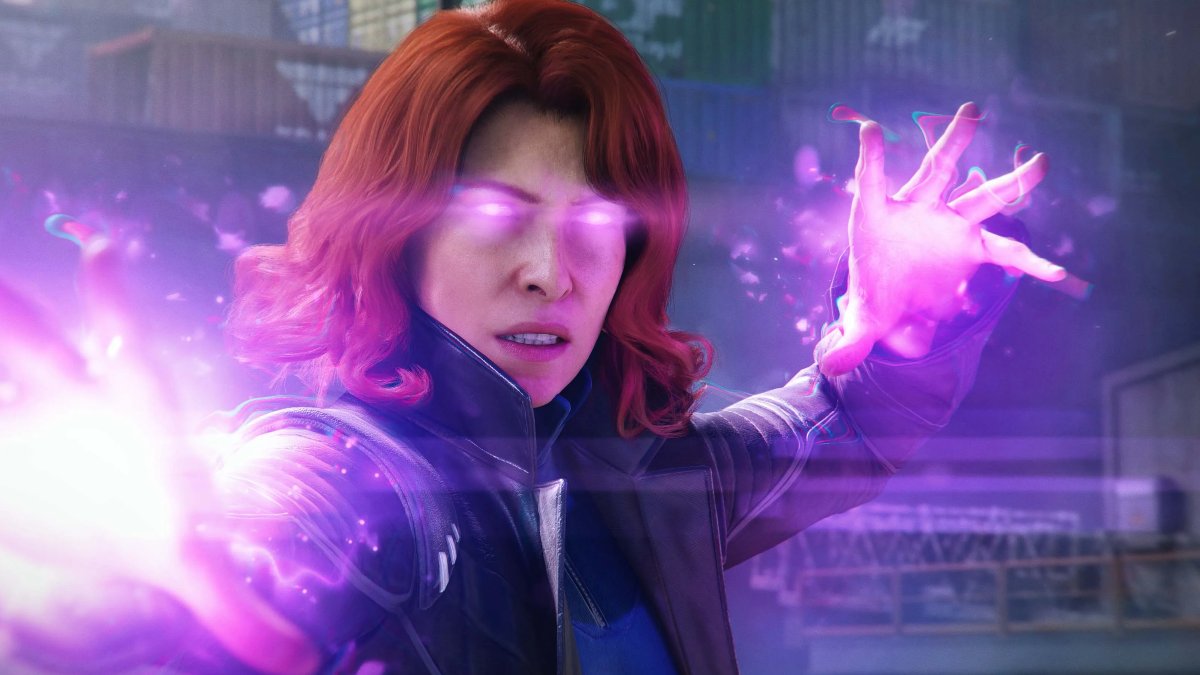
Remedy Entertainment has officially confirmed that two of its flagship titles, Alan Wake 2 and Control: Ultimate Edition, will receive dedicated updates to support PlayStation Spectral Super Resolution (PSSR) 2.0 on the PlayStation 5 Pro. This move places the Finnish developer at the forefront of leveraging Sony’s latest AI-driven upscaling technology, promising players tangible visual enhancements in both atmospheric adventures.
What PSSR 2.0 Brings to Remedy’s Worlds
The announcement, made via the studio’s official social media channels on March 13, 2026, signals a significant commitment to post-launch support for the PlayStation 5 Pro’s advanced hardware. PSSR 2.0 represents a refined iteration of Sony’s proprietary upscaling system, which uses machine learning to reconstruct images at higher resolutions from a lower-resolution base render. The primary benefits touted for this developer-implemented support include superior image stability, increased sharpness in motion, and an overall more consistent performance profile.
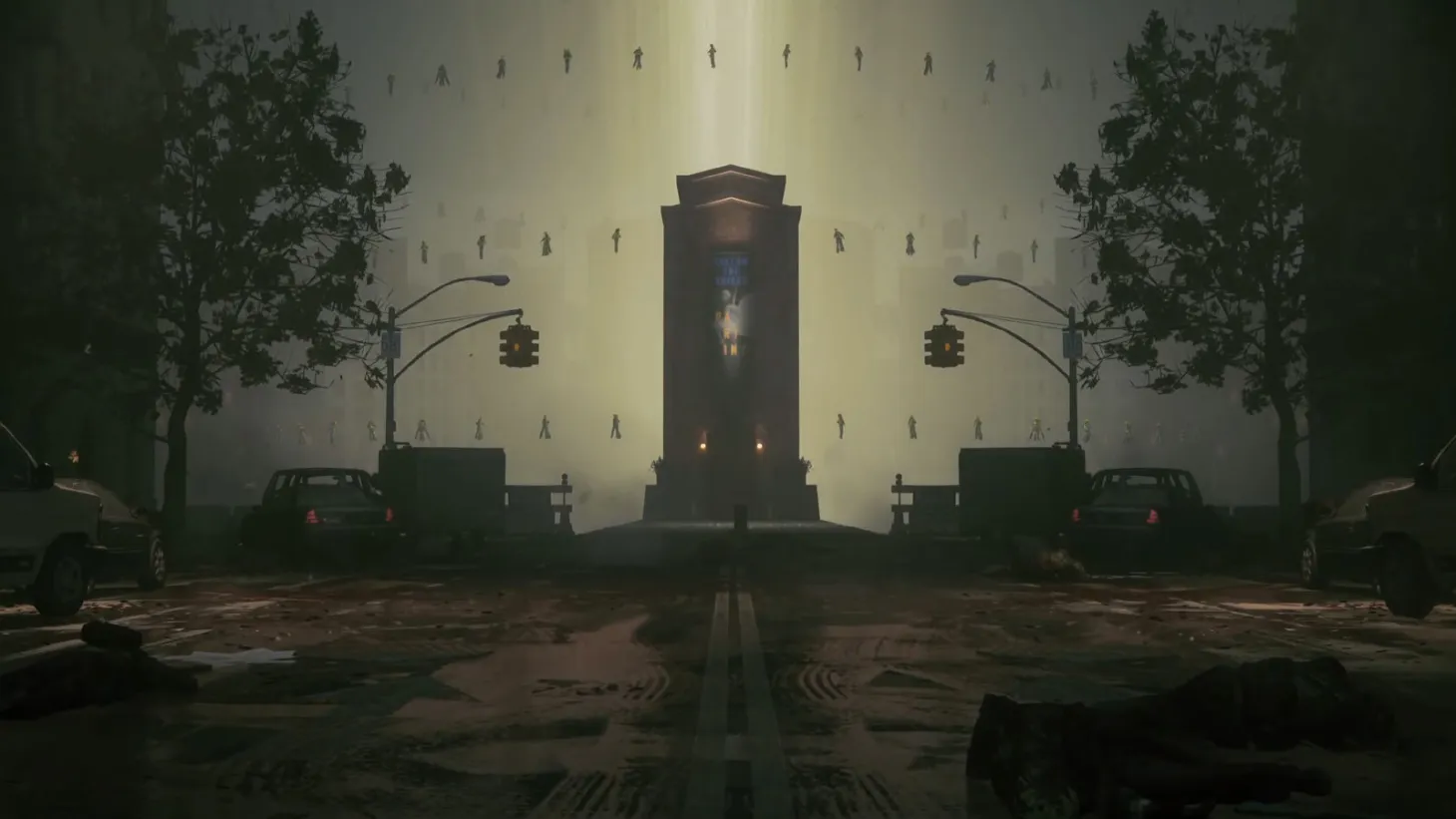
Unlike a generic system-level toggle, a dedicated game patch allows developers to fine-tune the technology’s implementation specifically for their game’s engine and artistic vision. For Remedy’s Northlight Engine, powering both titles, this means the surreal, shifting architecture of the Oldest House in Control and the fog-drenched, nightmare landscapes of Bright Falls in Alan Wake 2 can be presented with greater clarity and detail without necessarily sacrificing frame rates.
The Technical Edge of Native Implementation
Sony has indicated that all PS5 Pro consoles will feature a system-level option called “Enhance PSSR Image Quality,” which can force the updated algorithm on games using the initial version of PSSR. However, the experience is not equivalent. When support is baked directly into the game’s code through a developer-led update—as is the case with Remedy’s upcoming patches—the improvements are more comprehensive and perceptible.
This native integration allows the PSSR 2.0 algorithm to work in concert with the game’s own rendering pipeline, temporal anti-aliasing solutions, and art direction. The result is a more cohesive visual output where the AI reconstruction complements the original assets rather than applying a blanket filter. For graphically intensive titles like Alan Wake 2, renowned for its cutting-edge ray tracing and dense environmental detail, this tailored approach is crucial for maintaining artistic integrity while boosting performance.
Control: A Legacy Title Gets a Next-Gen Boost
The inclusion of Control: Ultimate Edition is particularly noteworthy. Originally released in 2019, the game received a substantial visual overhaul for the PlayStation 5 and Xbox Series X|S. This new PSSR 2.0 update represents another layer of enhancement, specifically for the more powerful PS5 Pro hardware. It demonstrates how advanced upscaling technologies can extend the visual lifespan of older titles, allowing them to better utilize new console generations without requiring a full ground-up remaster.
Players can expect the brutalist interiors, chaotic particle effects during combat, and the ever-shifting nature of the Federal Bureau of Control’s headquarters to appear sharper and more stable, especially in performance-oriented display modes that prioritize high frame rates.
The Broader Industry Shift Towards AI Upscaling
Remedy’s confirmation follows Sony’s recent presentation of PSSR 2.0 and the announcement that Resident Evil Requiem will feature native support at launch. This creates a growing precedent for other studios to follow. As the installed base of PlayStation 5 Pro consoles grows, the incentive for developers to release similar performance-enhancing patches for their back catalogs and new releases increases significantly.
This trend underscores a broader industry pivot where AI-powered reconstruction techniques are becoming a standard tool in the graphics pipeline, similar to the widespread adoption of technologies like DLSS and FSR on PC. The goal is no longer just about pushing native resolution higher, which is computationally expensive, but about intelligently reconstructing a high-quality image from less raw data, freeing up system resources for other graphical features like ray tracing, higher-quality textures, or more complex physics.
What This Means for PlayStation 5 Pro Owners
For gamers who have invested in Sony’s premium console, announcements like this validate the Pro model’s value proposition. It’s not merely about higher clock speeds or more memory; it’s about access to a new generation of image quality technologies that are actively being supported by leading developers. The promise is a library of games that look and perform better over time, not just at launch.
The focus on visual clarity and stability is especially critical for narrative-driven, atmospheric games like those from Remedy, where environmental storytelling and mood are paramount. A sharper, more stable image enhances immersion, making the haunting whispers in the Dark Place or the eerie hum of a Hiss-corrupted object feel more tangible and present.
The Road Ahead for Enhanced Gaming
While no specific release date for the patches has been provided beyond “soon,” the commitment is clear. The gaming community will now be watching closely to see which other studios announce similar support for their major titles. High-profile franchises and recent AAA releases are the most likely candidates, as their player bases are large and the visual payoff from such an update would be most pronounced.
The success of these early implementations will also serve as a benchmark for Sony. Effective, widely adopted PSSR 2.0 support could become a key marketing point for the PS5 Pro in the latter half of the console’s lifecycle, differentiating it from the standard model in a meaningful way beyond simple spec comparisons.
The evolution of console gaming has increasingly become about iterative improvements within a generation. The announcement from Remedy Entertainment is a concrete example of this philosophy in action, leveraging software to unlock new potential in hardware. As players await the updates to descend into the Oldest House or return to Bright Falls, the broader implication is clear: the future of console graphics is increasingly intelligent, efficient, and collaborative between platform holder and developer, aiming to deliver the best possible experience long after a game’s initial disc is pressed or download is completed.