Industry veteran Shinji Mikami, the creative force behind Capcom’s legendary Resident Evil series, has officially begun work on his next major project through his newly formed studio, Unbound Games. According to a recently discovered job listing analyzed by Tech4Gamers, the studio is actively recruiting for a AAA fantasy action game that will be released across multiple gaming platforms. This marks Mikami’s first original project since leaving Tango Gameworks in 2023 and represents a significant departure from the survival horror genre that made him famous.
Unbound Games Emerges from Industry Veteran’s Vision
Following his departure from Tango Gameworks in 2023, Mikami quietly established Unbound Games, bringing together approximately 50 industry professionals with impressive pedigrees. The studio’s roster includes developers who previously worked on landmark titles such as Dino Crisis, Resident Evil, Silent Hill, and Devil May Cry. This concentration of talent suggests Mikami is assembling a team capable of executing ambitious creative visions, with plans to expand the studio to around 150 employees as development progresses.
The formation of Unbound Games represents Mikami’s third major studio venture in his illustrious career. After departing Capcom in 2007, he co-founded PlatinumGames before eventually joining Tango Gameworks. His decision to establish an independent studio at this stage of his career indicates a desire for creative control and the opportunity to explore new genres beyond the horror roots that defined his earlier work.
Job Listing Reveals Fantasy Action Direction
The specific details about Unbound Games’ inaugural project emerged through a Visual Effects/Effects Designer position advertised by the studio. The job description explicitly mentions designing effects including “fire, water, explosions, magic, and hit marks”—language that strongly suggests a fantasy setting with action-oriented gameplay. This represents a significant departure from Mikami’s signature survival horror aesthetic and confirms his previously stated intention to explore genres beyond his established expertise.
Magic effects mentioned in the listing point toward supernatural or high-fantasy elements, while references to explosions and hit marks indicate combat will be a central gameplay component. The combination of these elements suggests a title that may blend traditional fantasy tropes with the intense, polished action sequences for which Mikami’s previous games are known.
Technical Foundation on Unreal Engine
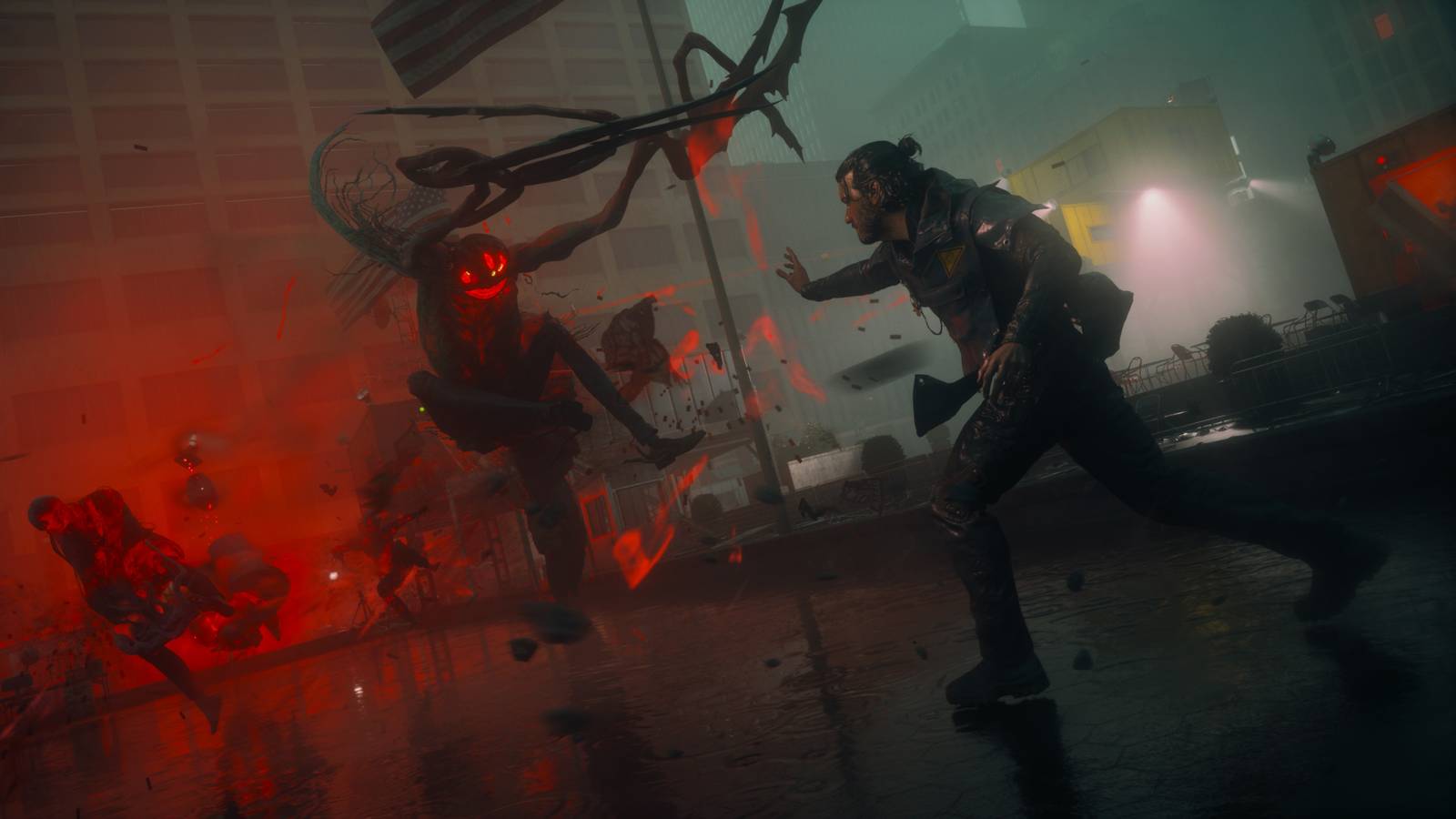
The same job listing confirms that Unbound Games’ project will be developed using Unreal Engine, a popular choice for AAA development that offers robust tools for creating visually stunning environments and complex effects systems. This engine selection provides technical insight into the game’s potential visual presentation and development pipeline, suggesting the studio aims for cutting-edge graphics and scalable performance across multiple platforms.
Unreal Engine’s multiplatform capabilities align perfectly with the confirmed multiplatform release strategy, allowing the studio to target PlayStation, Xbox, and PC audiences simultaneously. This technical foundation also suggests Mikami and his team are prioritizing accessibility and broad market reach for their debut project.
Strategic Shift from Survival Horror Roots
Mikami has publicly expressed his desire to move beyond survival horror, the genre he helped define with Resident Evil in 1996. While his horror credentials are unquestionable—having directed Resident Evil (1996), Resident Evil 4 (2005), and The Evil Within (2014)—his career has demonstrated versatility through titles like Vanquish (2010), a third-person shooter that showcased his ability to excel outside horror conventions.
This strategic shift toward fantasy action represents both creative evolution and market positioning. The fantasy genre offers expansive world-building opportunities and potentially broader commercial appeal than the more niche survival horror market. For Mikami, this represents an opportunity to demonstrate his creative range while leveraging his expertise in tension-building and atmospheric design within a new context.
Industry Context and Development Timeline
The gaming industry has seen increasing consolidation and studio closures in recent years, making Mikami’s establishment of an independent studio particularly notable. His reputation and industry connections have apparently enabled him to assemble a talented team quickly, despite broader industry challenges. The studio’s current size of approximately 50 developers suggests the project is in early to mid-development stages, with significant expansion planned as production ramps up.
While no official release window has been announced, typical AAA development cycles suggest the game is likely several years from completion. The multiplatform approach indicates Mikami and his team are targeting a broad audience rather than pursuing exclusive partnerships, a strategy that could maximize commercial potential for this original intellectual property.
Legacy and Expectations
Shinji Mikami’s influence on game design is difficult to overstate. His work on Resident Evil established foundational conventions for survival horror, while Resident Evil 4 revolutionized third-person shooting mechanics with its over-the-shoulder perspective and context-sensitive actions. These innovations have influenced countless subsequent titles across multiple genres.
This legacy creates both opportunity and challenge for Unbound Games’ debut project. Expectations will be extraordinarily high given Mikami’s track record, but the fantasy action direction provides some distance from direct comparisons to his horror classics. The studio’s success may depend on how effectively it can translate Mikami’s signature strengths—tense pacing, memorable encounters, and polished mechanics—into a new genre context.
Market Position and Competitive Landscape
The fantasy action genre is densely populated with established franchises and recent successes, presenting both challenges and opportunities for Unbound Games. Titles like Elden Ring, God of War, and Final Fantasy XVI have set high standards for production values, combat systems, and narrative depth in fantasy gaming. Mikami’s project will need to distinguish itself through unique mechanics, compelling world-building, or innovative design approaches.
The multiplatform strategy positions the game to reach the widest possible audience, avoiding the limitations of platform exclusivity. This approach makes particular sense for a new intellectual property seeking to establish itself in a competitive market. By targeting PlayStation, Xbox, and PC simultaneously, Unbound Games maximizes potential revenue streams while building a foundation for potential sequels or expanded universe content.
Talent Pool and Development Philosophy
The concentration of developers with experience on landmark Japanese action and horror titles suggests Unbound Games may blend Eastern and Western design sensibilities. This fusion could result in a distinctive style that combines Japanese attention to mechanical detail with Western approaches to open-world design or narrative presentation.
Mikami’s leadership style has historically emphasized tight, focused gameplay experiences rather than expansive open worlds. While the fantasy genre often leans toward vast explorable environments, Mikami’s project might instead offer a more directed experience with carefully crafted levels and set pieces—a potential differentiator in a market increasingly dominated by massive open worlds.
Reception and Industry Impact
The gaming community has responded with cautious optimism to news of Mikami’s new venture. While some fans express nostalgia for his horror work, many recognize the creative value in a veteran developer exploring new territory. Industry observers note that successful genre transitions by established creators can yield innovative hybrid experiences that push entire categories forward.
For the industry at large, Mikami’s ability to establish a new studio and secure funding for an original AAA project signals continued investor confidence in experienced creative leadership, even as the market becomes increasingly risk-averse. His project may inspire other veteran developers to pursue independent ventures, potentially diversifying the creative landscape.
As development continues at Unbound Games, the industry will watch closely to see how Mikami translates his distinctive design philosophy into the fantasy action genre. The combination of his proven track record, a talented development team, and a clear creative direction suggests the potential for another landmark title—one that could redefine expectations for what fantasy action games can achieve while demonstrating the enduring relevance of visionary game design leadership in an evolving industry landscape.