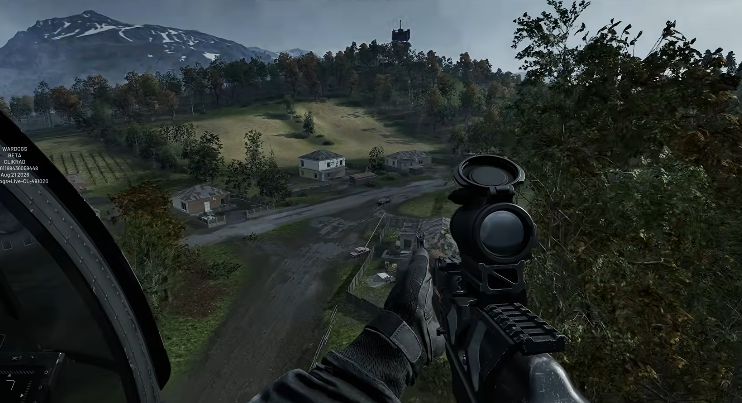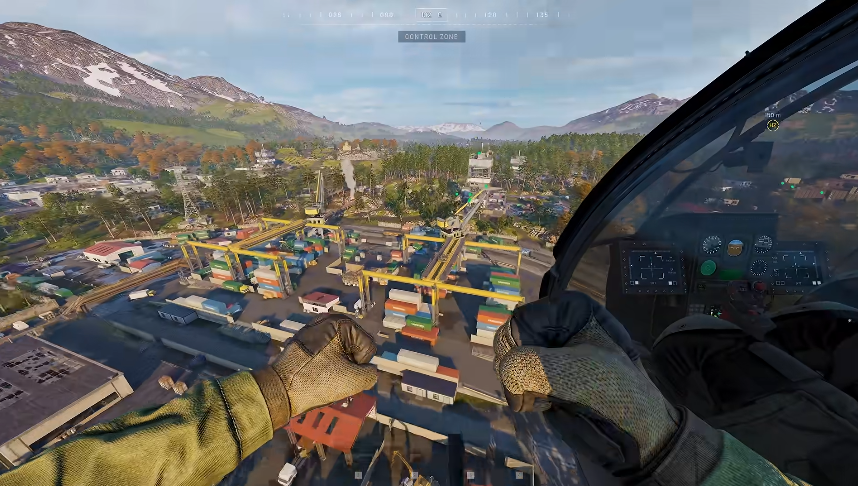
The developers of WARDOGS stood in front of a camera and said, “Here are 10 reasons you should not buy our game.” That’s either the most honest marketing move in gaming history or a cry for help.
Maybe both.
But here’s the thing—they weren’t being humble. They were being real. And that deserves a closer look. Below, we weigh each reason the devs gave against what it actually means for someone considering the $39.99 early access price tag. Because WARDOGS is not your typical early access shooter. It’s weirder, deeper, and—depending on your tolerance for rough edges—potentially a waste of money.
Let’s get into it.
Reason #1: The Content Cupboard Is Bare
The devs flatly admit WARDOGS has a content problem. At launch you get 37 weapons, 21 vehicles, and three maps with three variations each. That’s it. No monthly map drops. No new vehicles every patch. The focus is on bug fixes and building the meta-game for 1.0.
The con: You will run out of new things to see faster than in a live-service title that spits out skins every Tuesday.
The pro: That scarcity forces you to actually play the game instead of chasing novelty. The three maps each feel distinct because they were designed for specific gameplay loops—logistics, reconnaissance, base building. Quality over quantity, but only if you value depth over breadth.
Reason #2: The Stair-Priced Wallet
WARDOGS launches at $39.99. When the meta-game updates arrive, the price climbs to $49.99. At full 1.0 release, it hits $59.99.
The con: You’re paying full triple-A price for a game that isn’t finished yet. The final product will cost more, and if you buy now you’re basically funding development.
The pro: Stair-stepped pricing means early adopters save $20 compared to latecomers—provided the game ever reaches 1.0. The devs have also promised no monetization during early access. That includes no pay-to-win cash, no premium camos. Your wallet is safe for the next 18-24 months.
Reason #3: No Roadmap, No Promise
Bulkhead explicitly said they will not publish a linear roadmap. Instead, they’ll test features live, shift priorities as feedback rolls in, and basically fly by the seat of their pants.
The con: You’re buying a ticket to a destination the driver hasn’t even picked yet. If you need to know what’s coming in Q3, this isn’t your game.
The pro: Roadmaps are often lies. A dynamic development process means the game can adapt to what players actually want, not what a PowerPoint slide promised 18 months ago. The devs also committed to a 1.0 release within roughly 24 months—no permanent early access purgatory.
Reason #4: The Ghost of Battalion 1944
Bulkhead made Battalion 1944, a kickstarted competitive shooter that… well, it didn’t work out. The game peaked at a few hundred players, the publisher relationship soured, and the studio went dark for years.
The con: The same team that couldn’t sustain that game is now asking for your money. Trust is earned, and Battalion’s failure is a very fresh scar.

The pro: Bulkhead refunded every single Kickstarter backer out of their own pocket from work-for-hire projects. That’s almost unheard of. They’ve been painfully transparent about their mistakes—right down to saying “If you don’t trust us, don’t buy it.” Actions speak louder than words, and those refunds were an expensive action.
Reason #5: Performance Is Not Your Friend
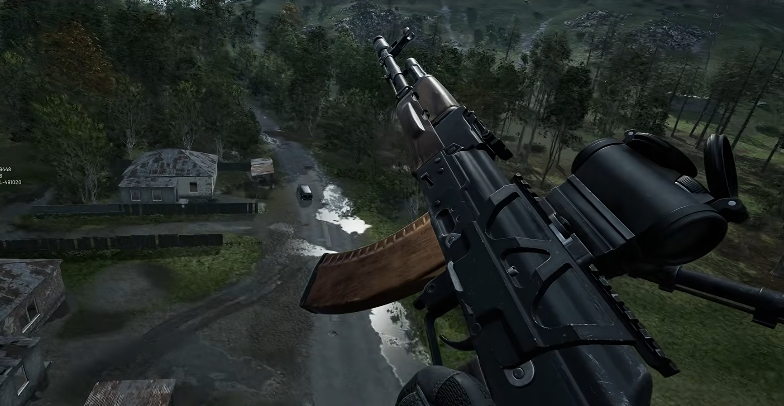
If you expect 240 FPS at native 4K with ray tracing maxed, WARDOGS is not for you. The game runs on Unreal Engine 5, and while the devs have done a lot of optimization work, it’s still a large-scale multiplayer game with helicopters, bases, and 50 players.
The con: Lower-spec rigs will struggle. Even mid-range PCs won’t hit buttery-smooth frame rates in heavy firefights. The steam page has minimum and recommended specs—take them seriously.
The pro: The devs published a dev blog showing the game running on multiple hardware configurations. They’re not hiding performance issues. Plus, you can refund after the beta if your system can’t handle it. No harm, no foul.
Reason #6: Monetization Will Come (Eventually)
Right now, there are zero microtransactions. No loot boxes, no premium currency, no pay-to-win. That changes post-1.0.
The con: The devs explicitly stated that they will monetize the game after full release to cover ongoing server costs, anti-cheat updates, and future content. If you’re strictly anti-monetization in any form, this game isn’t for you.
The pro: They’ve drawn clear lines: no in-game cash you can buy, no camos that show how much you spent instead of what you achieved. The monetization will be transparent and discussed years in advance. Plus, you get the entire early access period without any microtransactions at all—that’s at least two years of clean play.
Reason #7: Keyboard and Mouse Are King
WARDOGS has partial controller support at launch, but the devs are clear: keyboard and mouse is the optimal way to play. Aim assist exists, but only to the extent that playing without it is “comically bad.”
The con: If you’re a controller purist or you play from a couch, you’re going to have a bad time. You’ll be at a disadvantage against anyone with a mouse.
The pro: This philosophy ensures no aim-bot crutches. In a game where skill matters, input integrity keeps the playing field level. Plus, you can still use a controller—just don’t expect handholding.

Reason #8: Death Hurts (And Takes Forever)
When you die in WARDOGS, you don’t respawn in 5 seconds. You have to get back to the action—by foot, by vehicle, or by hitchhiking with a pilot. That can take minutes.
The con: Players used to Call of Duty’s instant respawn will rage. The punishment for dying is real, and it discourages run-and-gun play.
The pro: That punishment creates an entire economy of gameplay. Pilots and drivers become valuable because they can get you back faster. Your respawn timer is measured in the decisions you make—which route, which vehicle, which risk. It turns death from a frustration into a strategic puzzle.
Reason #9: The Voice Chat Is a Warzone
WARDOGS has proximity VoIP that broadcasts to all three teams. The devs themselves said they got banned from Twitch for the language they used. Banter, trash talk, and general chaos are the norm.
The con: If you’re sensitive to toxicity, this will drive you nuts. Muting individuals is possible, but the culture is built on rough-edged communication.
The pro: That chaos is also what makes the game memorable. Hearing an enemy yell “THERE’S A HELI BEHIND YOU” through a wall adds a layer of immersion most games sand off. Community server admins can police the line between banter and harassment, and the devs will ban actual assholes.
Reason #10: Team Imbalance Is Real
Blue team loses more often than red or green. Whether it’s map design or culture, the imbalance exists.
The con: You might get stuck on the losing team repeatedly, especially if you don’t actively try to join red or green. The meta-game incentives currently don’t balance it.
The pro: The devs are aware and have considered solutions like giving bonus money for joining the losing team. The three-team dynamic means no one can dominate forever—balance shifts over a match. And honestly, a little adversity makes winning sweeter.
The devs of WARDOGS are telling you not to buy their game. That’s refreshingly insane. But consider this: they’re also telling you exactly what you’re getting into. Most early access titles hide their flaws until you’ve already spent your money and the refund window has closed. WARDOGS shoves its warts in your face and says, “Still in? Good. Welcome to the war.”

One thing the devs didn’t mention: the community servers. When the official servers go down or matchmaking gets weird, community-run servers keep the game alive. That safety net means WARDOGS won’t disappear if Bulkhead stumbles again. That’s a nuance most early access games don’t have—and one that might make the risk worth taking.